What It’s Really Like to Add a Pickleball Court to Your Home
The pickleball obsession hit hard during weekend games at the community center. The sport became a regular fixture in the weekly schedule. Then the idea arrived like a lightning bolt. What if the court existed right here at home? No more fighting for court time. No more driving across town. Just walk outside and play anytime. The fantasy looks perfect until reality introduces itself through permit applications, contractor quotes, and neighbor conversations that quickly complicate the dream.
Adding a pickleball court to residential property sounds like the ultimate luxury upgrade. Imagine the convenience. The property value increase. The endless play opportunities. The backyard parties centered around games with friends. These visions drive thousands of homeowners toward court installations annually. The actual experience proves far more complex than the fantasy suggests. Space requirements exceed expectations. Costs multiply beyond initial estimates. Neighbor relations require careful management. Maintenance demands create ongoing responsibilities. Zoning regulations complicate everything.
The decision deserves thorough understanding before committing to this substantial home improvement. The benefits exist genuinely for those whose situations support court additions. The challenges prove insurmountable for others who discover too late that their enthusiasm exceeded their property’s suitability. Understanding what adding a pickleball court actually involves helps separate realistic plans from expensive mistakes. The backyard court can transform home life positively. It can also create regrets that last far longer than the initial excitement. Knowing the difference before breaking ground protects both investments and relationships.
The Physical Footprint and Site Prep
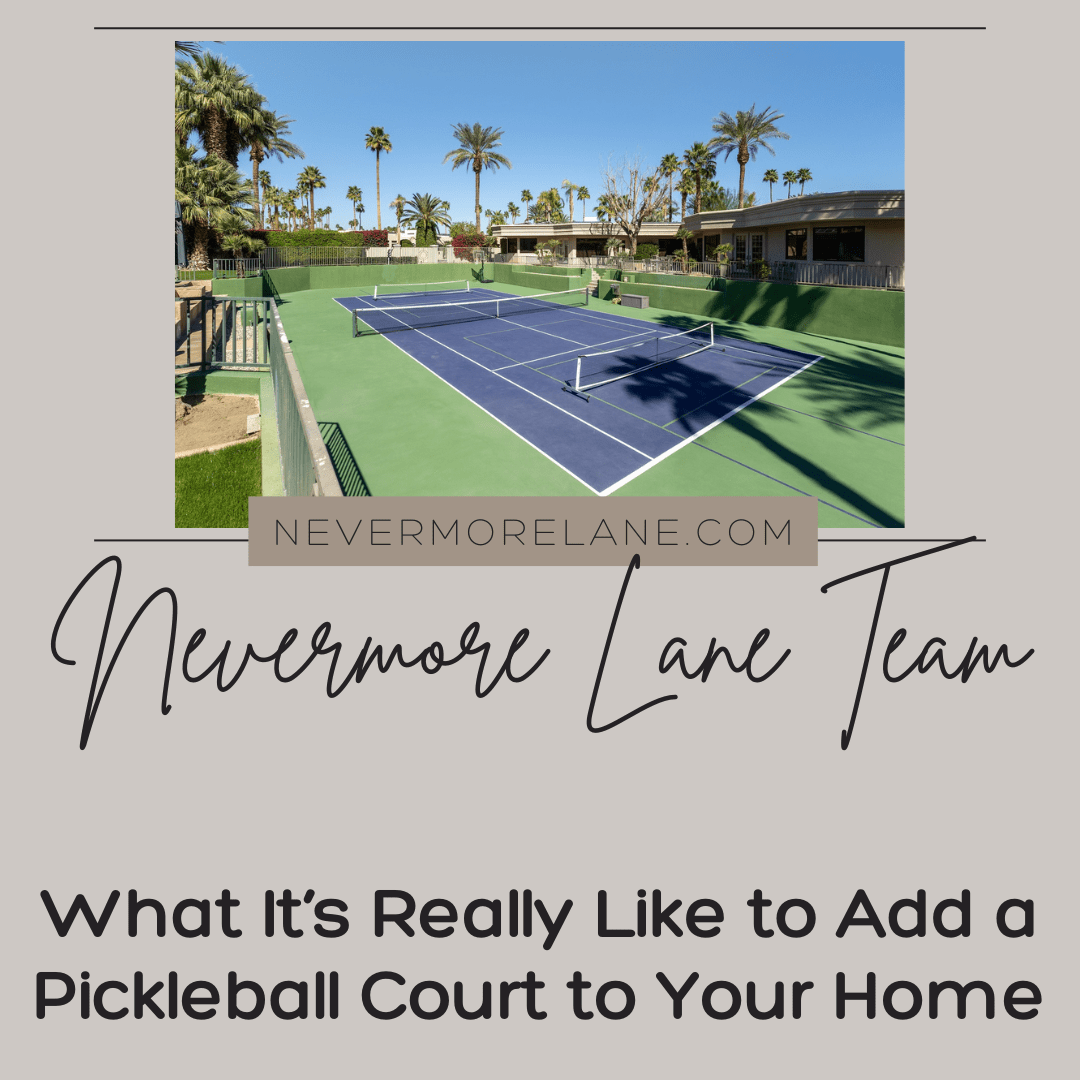
You need a flat area. While the court itself is 20 by 44 feet, the total cleared space should be at least 30 by 60 feet. This extra room allows players to move backward without hitting a fence or falling off an edge. Most contractors start by excavating the soil to create a stable base. If the ground is not leveled correctly, water will pool in the non-volley zone, which ruins the surface over time.
Drainage is the most important technical factor. You might need to install a French drain or a specific slope to ensure rain runs off the court quickly. Without this, the sub-base can shift. Once the ground is ready, you choose between asphalt and concrete. Asphalt is cheaper initially, but it can soften in high heat. Concrete is more permanent and resists cracking better in climates with freeze-thaw cycles.
Choosing a Surface Material
Most people choose a standard acrylic coating with a fine sand texture mixed in. This texture provides the grip needed for quick lateral movements. If you want something easier on your joints, a polypropylene tile system is a common alternative. These tiles snap together over a hard base and have a small amount of vertical give.
The local climate also dictates which materials work best. If you live in the Southeast, you need a surface that can handle high humidity and sudden temperature shifts. Consulting with the best NC pickleball court builder or one in your local area, can help you determine if your specific soil type requires a specialized vapor barrier under the concrete. These professionals often suggest specific acrylic blends that resist fading under intense southern sun exposure.
The color choice affects more than just looks. Darker colors like navy or forest green absorb more heat. Lighter colors like light blue or gray keep the surface temperature lower during the afternoon. Some homeowners decide to include a custom-painted logo in the center or at the sidelines to make the space feel more personal.
Lighting and Neighborhood Considerations
If you plan to play after work, you will need lights. Modern LED lighting systems are the standard because they do not flicker and they use less electricity than older metal halide bulbs. You have to mount them on poles at specific heights to avoid creating shadows that hide the ball.
Noise is the biggest hurdle with neighbors. The sound of a paddle hitting a ball is a sharp ‘pop’ that travels far. You might need to look into acoustic fencing or specialized sound-dampening wraps for your perimeter fence. Checking your local zoning laws before you start is a requirement. Some cities have specific setback rules that dictate how close a court can be to a property line.
Learning the Mechanics of the Game
Once the court is finished, the focus shifts to how the game is actually played. It is different from tennis or racquetball. The two-bounce rule is often the first thing new players have to memorize. It requires that the ball bounce once on each side after the serve before anyone can hit a volley. This rule prevents players from rushing the net immediately and ending the point too quickly.
Many homeowners find that they progress faster by hiring a pro for private lessons right on their own court. A coach can explain the nuances of dinking and court positioning. Beyond coaching, having the essential pickleball equipment for families, such as paddles with the right grip size for children and stable court shoes, is what makes the transition to home play successful.
Managing the Social Schedule
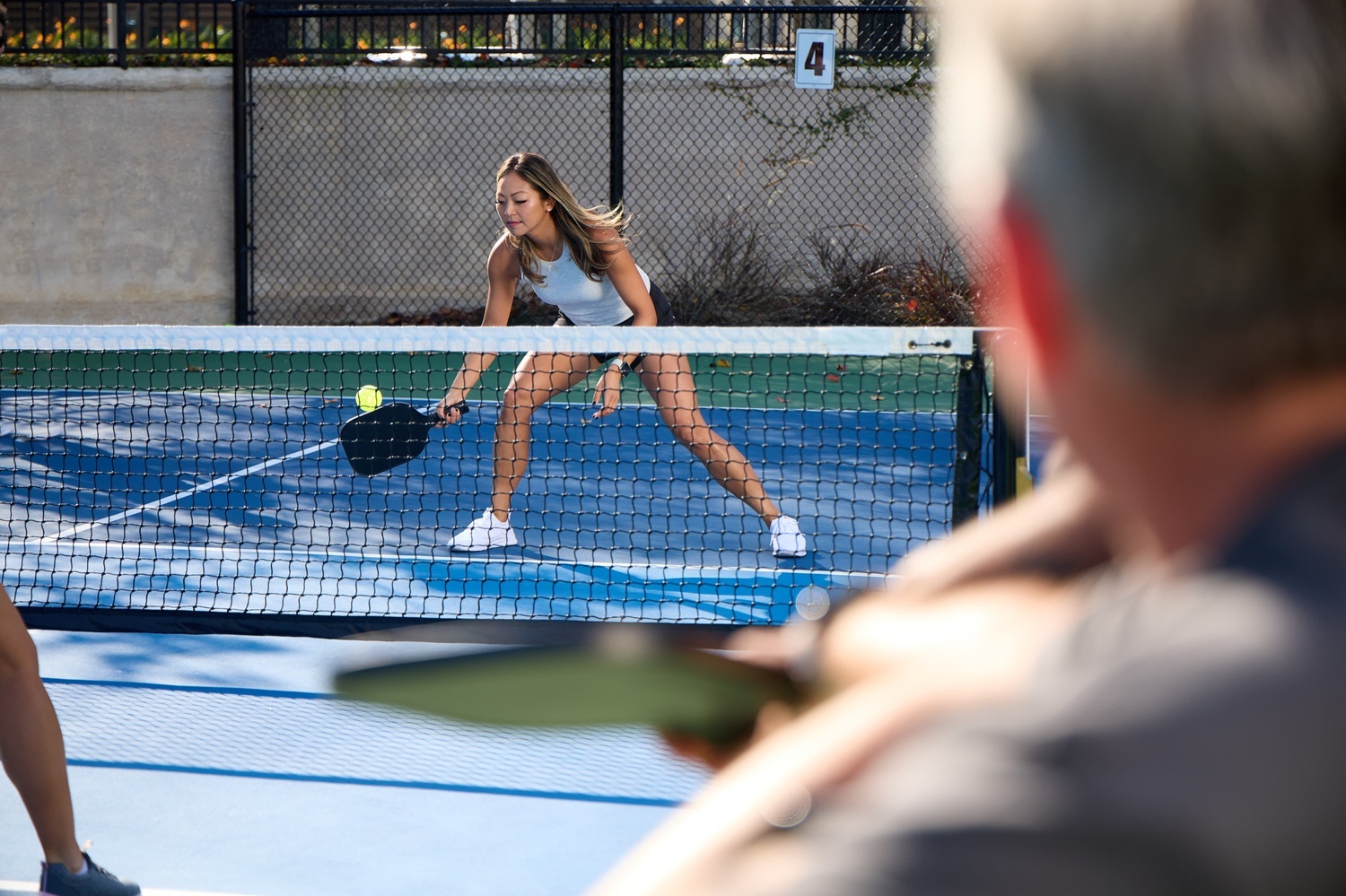
Having a court makes your house a local hub. You will likely find yourself organizing scheduled games to keep the court from being empty or overcrowded. Managing a group chat for neighbors and friends becomes part of the routine.
To keep matches moving quickly, some groups prefer rally scoring instead of traditional side-out scoring. In this system, a point is awarded on every single serve, regardless of who served the ball. It makes the duration of games more predictable, which helps when you have several people waiting for their turn to play.
Long-Term Maintenance Tasks
A court is not a ‘set it and forget it’ feature. You have to keep it clean. Leaves and dirt act like sandpaper under the feet of players, grinding down the acrylic finish. A leaf blower and a soft-bristled broom are the most used tools for court owners.
Every five to seven years, the surface will need a refresh. The lines will fade, and the texture will wear smooth in high-traffic areas. Resurfacing involves cleaning the court thoroughly, filling any small structural cracks that have appeared, and applying a new color coat. Proper upkeep ensures the ball continues to bounce predictably and the traction remains safe for everyone.
When Reality Meets the Pickleball Dream
Adding a home pickleball court succeeds when specific conditions align. Adequate space matters absolutely. The standard court requires 30×60 feet minimum with additional buffer zones. Level ground or willingness to pay for extensive grading becomes essential. Neighbor proximity affects noise concerns requiring strategic placement or sound barriers. Local zoning often restricts court additions through setback requirements and permit processes. These practical realities determine feasibility before any other considerations matter.
The costs exceed what most people initially expect. Professional installation runs $15,000 to $40,000 depending on surface type, site preparation needs, and fencing requirements. Concrete courts cost less but crack over time. Modular surfaces perform better but increase expenses. Lighting additions enable evening play but add thousands more. Maintenance including resurfacing, line painting, and net replacement creates ongoing costs. The investment only makes sense when usage justifies expenses.
Home pickleball courts deliver genuine value for the right properties and passionate players who will use them extensively. They create convenience that community courts cannot match. They enhance property appeal for buyers sharing the interest. They provide gathering spaces that strengthen community bonds. Yet they also create noise, require maintenance, and cost substantially more than initial enthusiasm acknowledges. The reality check matters before the dream becomes expensive regret. Sometimes the best decision involves realistic assessment rather than optimistic assumptions.