Upgrading Your Home’s Look? Smart Control Might Be the Missing Piece
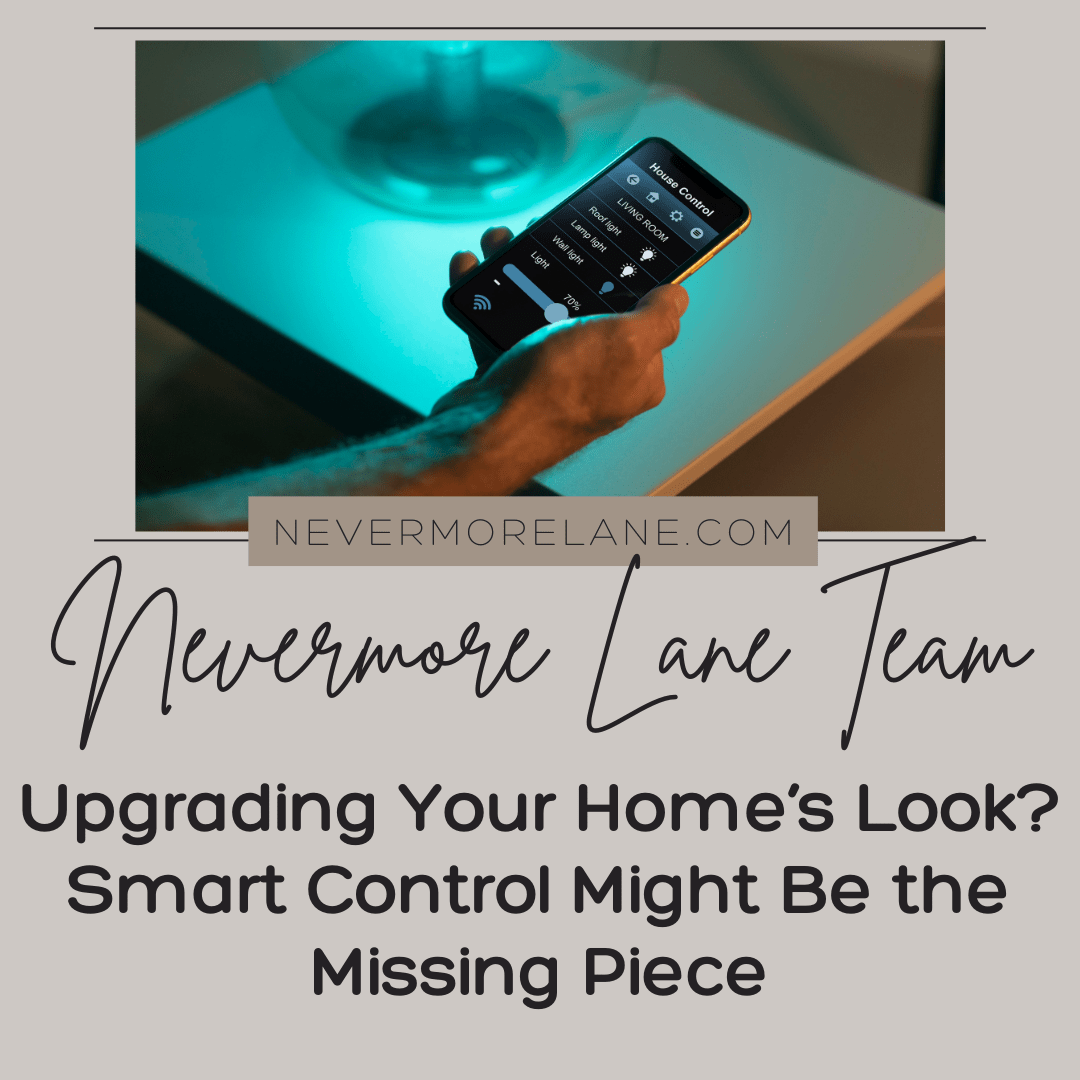
When homeowners decide to upgrade their interiors, the focus almost always starts with visible changes—new flooring, fresh paint, statement furniture, or upgraded lighting fixtures. These updates certainly improve how a space looks, but they don’t always change how the home feels to live in. A room can be beautifully styled yet still feel inefficient, cluttered, or slightly disconnected.
By the way, modern home design has shifted beyond aesthetics alone. Today, luxury and comfort are defined just as much by how smoothly a home responds to daily life. This is where smart control becomes relevant. It doesn’t replace good design—it completes it. By rethinking how lighting and other systems are managed, smart control adds a layer of polish that many renovated homes are still missing.
Smart control technology represents the missing piece in home upgrades that prioritize appearance over experience. Understanding how automated systems transform lived reality versus just visual appeal allows renovation budgets to address both aesthetics and functionality, creating homes that look beautiful and actually feel better to inhabit through technology that works quietly in the background.
1. Why Control Points Matter as Much as Finishes
Walls are some of the most visually dominant surfaces in a home, yet they’re often treated as purely functional zones. Rows of switches, dimmers, and mismatched controls accumulate over time, especially in homes that have been renovated in phases. Even well-designed spaces can feel visually interrupted by cluttered control points.
Smart control changes this dynamic by consolidating interaction. Instead of multiple switches scattered across walls, control becomes intentional and centralized. This has a direct impact on how refined a space feels.
From a design perspective, smart control:
- Reduces visual noise on walls.
- Creates cleaner sightlines in open-plan layouts.
- Allows finishes, art, and architecture to take focus.
This shift is subtle but powerful. When control points are simplified, the home feels calmer and more deliberate. It’s the same reason designers pay attention to hardware, trim, and proportions—because small details shape the overall experience. Smart control simply extends that philosophy to how a home is operated.
2. Lighting Control as the Foundation of Atmosphere
Lighting is one of the most influential elements in interior design. It affects mood, productivity, and how materials appear throughout the day. Yet in many homes, lighting control remains static—on, off, or dimmed manually with limited flexibility.
Smart lighting control transforms lighting from a fixed feature into a dynamic design tool. Instead of treating light as something you adjust repeatedly, it becomes something that adapts naturally.
With intelligent lighting control, homeowners can:
- Create distinct moods for different times of day.
- Balance functional and ambient lighting in the same space.
- Highlight architectural details without additional fixtures.
This is where modern home lighting switches play a crucial role. Rather than functioning as simple toggles, they become intuitive interfaces that connect design intent with everyday use. Companies like Brilliant approach lighting control as part of the wall’s design language—integrating touch-based control, automation, and smart functionality into a clean, refined form factor. When lighting is controlled thoughtfully, a room doesn’t just look better—it feels more intentional and responsive.
3. Smart Control as a Design-Led Living Experience
Beyond lighting, smart control influences how a home flows. A well-designed space should reduce friction, not add to it. Smart control achieves this by simplifying routine interactions.
Instead of:
- Walking across rooms to adjust settings.
- Remembering which switch controls what.
- Repeating the same actions every day.
Smart control allows systems to respond automatically or with minimal input. This efficiency isn’t about technology for its own sake—it’s about supporting how people actually live.
From a design standpoint, smart control also promotes consistency. When the same interface governs multiple rooms, the home feels unified rather than pieced together. This is especially important in larger homes or open-plan layouts, where visual and functional coherence matter.
Good smart control doesn’t draw attention to itself. It quietly supports daily life, allowing the design of the space—not the technology—to take center stage.
4. Long-Term Value, Comfort, and a Future-Ready Home
Smart control isn’t just about immediate convenience; it’s also about long-term value. Homes that integrate control systems thoughtfully tend to age better than those that rely on fragmented upgrades.
Over time, smart control contributes to:
- Better energy management through automation.
- Reduced wear on fixtures and systems.
- Increased appeal for future buyers or renters.
Importantly, when smart control is integrated early—or added intentionally during an upgrade—it becomes part of the home’s infrastructure rather than an add-on. This prevents the space from feeling dated as technology evolves.
From a lifestyle perspective, the biggest benefit is comfort. A home that responds predictably and smoothly creates a sense of ease that residents notice every day. That feeling—more than any single feature—is what defines a truly upgraded living space.
Living in Homes That Respond to Life
Integrating Smart Systems Into Upgraded Spaces
Smart home control becomes most valuable when integrated thoughtfully with aesthetic upgrades rather than added as afterthoughts. The new lighting fixtures selected for visual impact gain exponentially more utility when connected to smart controls allowing scene creation, scheduling, and remote management. The HVAC system supporting comfortable living reaches its full potential through smart thermostats learning household patterns and optimizing energy use automatically.
Long-term satisfaction with home upgrades depends on how spaces function daily, not just how they photograph. Beautiful rooms that require constant manual adjustments to maintain comfort become sources of frustration rather than joy. Aesthetic improvements paired with smart control technology create environments that adapt to changing needs throughout days, seasons, and life stages without demanding constant attention or compromise.
The truly upgraded home balances visual appeal with responsive functionality that simplifies rather than complicates daily life. Smart control systems fade into the background, managing lighting, temperature, security, and entertainment seamlessly while residents enjoy spaces that feel intuitive and effortless. Invest in technology that makes beautiful spaces work as well as they look, creating homes that serve life rather than demanding constant management and adjustment to maintain the vision captured in renovation completion photos.
Done right, it doesn’t compete with your home’s design—it completes it.