Tips for Recovery and Long-Term Health
Recovery from injury, illness, or surgery demands immediate attention while long-term health often gets postponed until crisis passes. The physical therapy appointments consume focus while nutrition slides toward whatever is easiest. Pain management becomes the priority while sleep quality deteriorates under stress and discomfort. The urgent needs of healing bodies overshadow the foundational habits that support sustained wellness beyond the recovery period itself.
Most people approach recovery as a finite phase with a clear endpoint where normal life resumes unchanged. The reality involves permanent shifts in how bodies function, what they need, and how they signal problems. Old routines may no longer serve new physical realities. Previous capabilities might require modification or replacement with adapted approaches. The person who emerges from recovery carries different strengths, limitations, and health requirements than the person who entered the crisis.
Bridging the gap between acute recovery and long-term health requires integrating lessons learned during healing into sustainable lifestyle patterns that prevent future problems. The strategies that support bodies through recovery often prove equally valuable for maintaining wellness afterward. Understanding which recovery practices deserve permanent adoption and which represent temporary necessities allows intentional transition from patient to person actively stewarding ongoing health.
Recovery Isn’t Linear, and Neither Is Health
Most people expect recovery to move in a straight line. First you’re injured, then you rest, then you feel a little better every day until you’re magically back to full capacity. Reality doesn’t work that way. Healing zigzags. You’ll have days that feel easy and others that feel like you’re back at square one. The sooner you accept that uneven progress is still progress, the better you’ll navigate it without unnecessary frustration.
This matters now more than ever. Over the past few years, people have been recovering from more than just physical injuries. Post-COVID fatigue, the slow mental unraveling from constant stress, and the emotional whiplash of collective uncertainty have left a lot of folks trying to rebuild without a clear starting point. The wellness industry loves a quick fix. But long-term health is quieter, slower, and harder to market.
Take mental health, for instance. If you’re trying to manage anxiety, trauma, or just the overwhelming sense that your nervous system hasn’t relaxed since 2020, you’re not alone. But doing it solo can be like trying to perform surgery with oven mitts on. Lookup mental health treatment near me and you’ll find clinics, therapists, and programs that go far beyond crisis care. More people are finally recognizing therapy not as a last resort, but as part of recovery and long-term self-maintenance—same category as stretching, hydration, and yearly checkups. It’s not about being broken. It’s about staying functional in a world that throws a lot at you.
When therapy becomes a tool for maintenance instead of just repair, it changes everything. It gives you space to unpack the habits and narratives that hold recovery back. And it keeps small issues from turning into bigger ones down the line.
Sleep, Movement, and Nutrition: The Unsexy Power Trio
They don’t make flashy headlines, but sleep, movement, and food remain the backbone of any sustainable health plan. Most people try to cheat at least one of these. You know the logic: I’ll sleep less and drink more coffee. I’ll skip real meals and live on protein bars. I’ll work out hard one day and do nothing for five. But your body keeps score. And it tends to repay shortcuts with exhaustion, cravings, and slow recovery.
Sleep is the most underrated repair system available. It’s not passive—it’s a full-on operational reset. Hormones rebalance, tissues repair, and memory gets sorted. Skimping on sleep doesn’t make you tougher. It just makes healing slower. Aim for consistency over quantity. Same bedtime, same wake-up, even on weekends. If that sounds rigid, think of it like charging a phone. You wouldn’t unplug at 63% every day and expect it to function.
Movement matters too, but it doesn’t always mean cardio. Recovery exercise is about circulation, strength, and awareness. Walking counts. So does stretching. So does low-resistance strength work. If you’ve been injured or are bouncing back from burnout, the goal isn’t to punish your body back into shape—it’s to coax it there with consistency. Too many people hit recovery too hard, re-injure themselves, and wind up back in the cycle.
Nutrition ties it together. You don’t need supplements stacked to the ceiling or 100% organic everything. You need real meals, protein with each one, color on your plate, and enough fiber to keep your gut from declaring rebellion. Sugar crashes, dehydration, and erratic eating all make recovery harder—not because they’re evil, but because they mess with your baseline energy and regulation.
Build Habits for the Life You Actually Live
A lot of health plans are designed for ideal conditions. You wake up early, eat fresh meals, avoid stress, and work out without interruption. In real life, you wake up late, grab what’s in the fridge, and juggle five things before lunch. So instead of building routines that only work when life behaves, build systems that hold up under chaos.
Stack habits together. If you already drink coffee in the morning, add a glass of water before it. If you’re watching TV at night, stretch during the first ten minutes. Pairing a new behavior with an existing one makes it stick without requiring a personality overhaul.
Use checklists, not guilt. Forget trying to be perfect every day. Instead, set minimum goals. Drink water, take your meds, walk 20 minutes, eat one green thing. If you hit three out of five, you’re still ahead of yesterday. Momentum builds on wins, not shame.
And remember, rest isn’t failure. Your body is designed to cycle through effort and recovery. If you never allow downtime, you’re not being disciplined—you’re being inefficient. Planned rest helps you work better, think sharper, and recover faster. Even elite athletes rest more than most regular people do. Not because they’re lazy, but because they understand what actually fuels performance.
Stay Curious, Not Rigid
Long-term health doesn’t mean locking into one routine forever. Bodies change. Needs shift. What worked at 25 might not work at 35, and that’s not a personal flaw. It’s biology. Recovery means being willing to check in, reevaluate, and change course when something stops working.
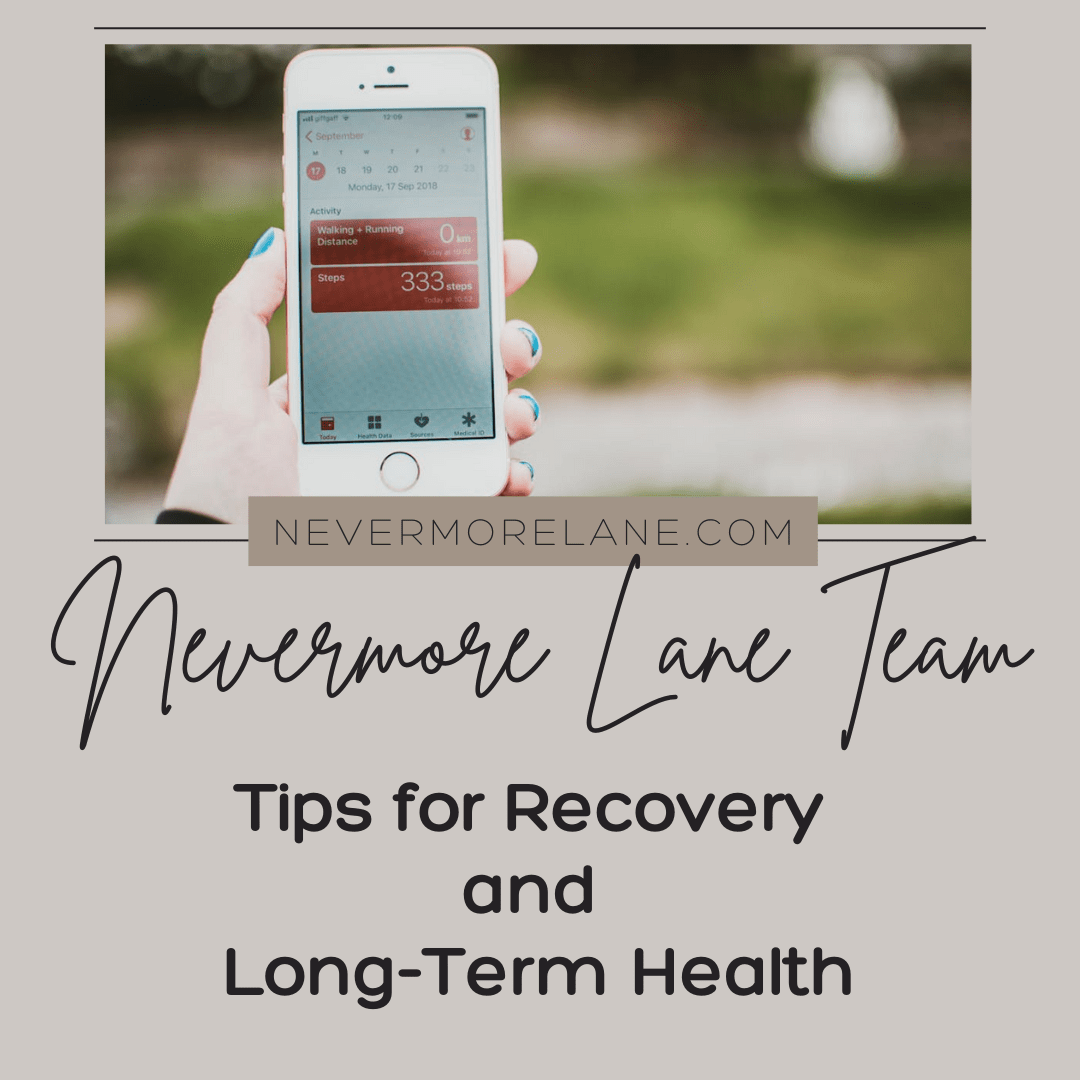
Track how you feel, not just what you do. Apps can be helpful, but don’t obsess over metrics that don’t actually reflect your lived experience. Weight, steps, calories—they’re tools, not final answers. If you’re sleeping better, feeling more clear-headed, and managing stress with more control, you’re doing something right.
Keep learning, but filter wisely. Health information online is endless—and often contradictory. Follow people who speak from evidence, not fear. Trust providers who ask you questions, not just tell you what to do. And give yourself permission to learn at your own pace. You’re not late. You’re living in a culture that moves too fast and rewards overwork.
Recovery and long-term health aren’t about mastering your body like it’s a machine. They’re about building relationships with it that actually last. The goal isn’t perfection—it’s resilience. Being able to bounce back when things go sideways. Being able to keep going without falling apart. And being able to notice when something’s off before it becomes a crisis. That kind of strength doesn’t come from one epic effort. It comes from small, daily choices that add up over time—even when no one’s watching.
Building Health That Lasts Beyond Recovery
Transforming Temporary Healing Into Lifelong Wellness
Successful long-term health grows from recovery experiences rather than despite them. The body awareness developed during rehabilitation continues signaling needs and limits after healing completes. The medical knowledge gained navigating treatment informs future healthcare decisions and early intervention. The support systems activated during crisis often remain available for ongoing wellness maintenance and emotional resilience.
Sustainable health practices require honest assessment of what actually works in real life versus ideal scenarios. Perfect nutrition plans fail when they demand unsustainable effort or eliminate all pleasure from eating. Exercise routines collapse when they ignore actual energy levels or time constraints. Stress management strategies remain theoretical until integrated into daily schedules with consistency that survives disruption.
Recovery teaches that health is never truly finished but rather continuously maintained through choices made in ordinary moments. The medication compliance developed during acute illness translates into preventative care adherence. The rest prioritization learned during recovery protects against future burnout. The boundaries established while healing preserve energy for what matters most. Long-term health becomes the natural extension of recovery’s lessons, applied with intention to bodies that deserve sustained care and attention long after discharge papers fade and medical appointments spread further apart.
Photo Source