The Psychological Impact of Aging in Familiar Surroundings
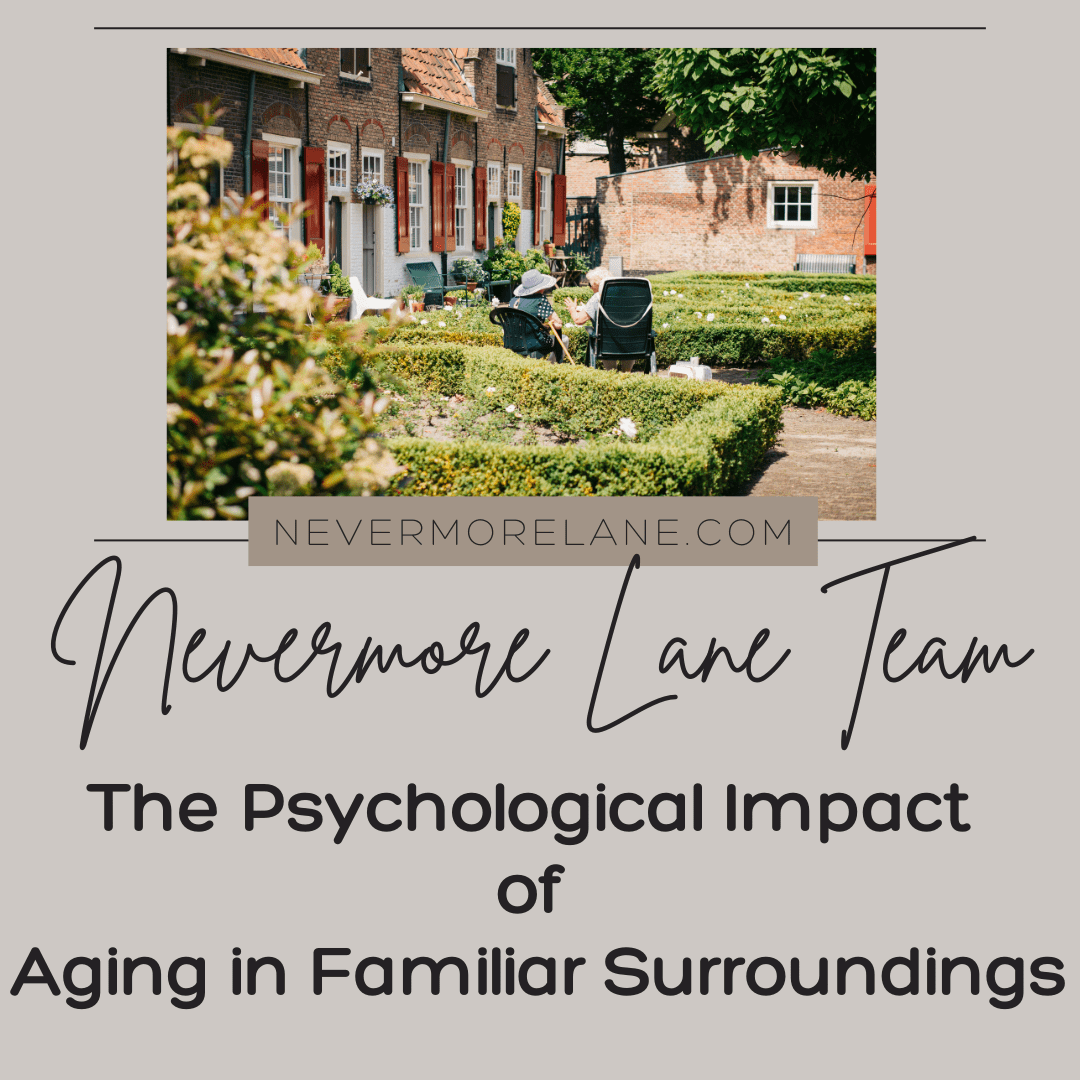
Aging is often discussed in terms of physical health, mobility, or medical care, but the psychological side is just as important. Where a person grows older shapes how they experience change, loss, and continuity.
Familiar surroundings are not just a backdrop to aging. They actively influence emotional stability, identity, and mental well-being. The home, the neighborhood, and daily routines form a psychological ecosystem built over the years.
For many older adults, remaining in known spaces offers comfort and predictability during a phase of life that can otherwise feel uncertain. At the same time, familiarity can bring emotional complexity, surfacing memories, and challenging adaptation.
Understanding these effects helps explain why aging in familiar surroundings feels deeply meaningful for many people.
Familiarity as Emotional Security
According to a USA Today–reported survey, 74 percent of adults say they would prefer to be cared for at home as they age. That preference is deeply psychological. Familiar surroundings offer emotional grounding.
As people grow older, mental energy is increasingly spent managing health issues, physical limitations, and changing roles. Known environments reduce the need for constant adjustment. When someone knows where everything is and how their day usually flows, anxiety often eases.
Predictability matters more than we realize. Familiar sounds, sights, and routines signal safety to the brain. They support orientation and reinforce a feeling of control, even when other areas of life feel unstable or unpredictable.
The challenge is that caring for someone at home is rarely simple. It often requires major shifts in a caregiver’s time, energy, and finances, along with physical changes to the home itself.
Research from the University of Michigan highlights a clear gap in home adaptation. Only about three out of ten older adults in Michigan have made age-friendly modifications to their homes. For many families, the barriers are simply too high.
In these cases, some turn to a home care provider in Michigan. These providers assist with daily tasks, personal care, and basic health support while allowing older adults to remain at home.
The ongoing cost is a key consideration. When feasible, this support can ease caregiver strain and make aging in place more realistic, as noted by CareChoice.
Identity, Memory, and Continuity
Place plays a powerful role in shaping identity, and this becomes even more critical as memory changes with age. Homes hold the physical traces of a life lived. Personal milestones, relationships, and everyday routines are embedded in objects, rooms, and familiar layouts.
Aging in familiar surroundings helps older adults stay connected to their own life narrative. It reinforces a sense of self that does not disappear simply because circumstances change.
This matters deeply for people experiencing cognitive decline. According to CNN, as the U.S. population ages, new dementia diagnoses are projected to double. The numbers are going to rise from about 514,000 cases in 2020 to nearly one million per year by 2060.
For this growing population, familiar environments are not just comforting, they are stabilizing. Known spaces and routines act as cognitive anchors, helping individuals orient themselves and access long-held memories.
Continuity also supports self-esteem and emotional coherence. Reflecting on the past is a natural part of later life, and familiar environments make that reflection tangible.
At the same time, these environments can bring feelings of loss. Familiar rooms may stir memories of loved ones who are no longer there. Comfort and grief often coexist, requiring emotional integration rather than avoidance.
Autonomy and Sense of Control
One of the strongest psychological benefits of aging in familiar surroundings is the preservation of autonomy. Remaining in one’s own home allows older adults to continue making everyday decisions, even when larger aspects of life begin to feel constrained.
Choices such as when to wake up, what to eat, how to arrange personal belongings, or how to structure the day may seem small. Still, they reinforce a sense of personal agency.
This sense of control carries significant psychological weight in later life. Aging often brings situations where decisions are influenced, or even taken over, by others, particularly in matters related to health and safety. Familiar surroundings help restore balance by offering spaces where independence still exists.
Psychologically, autonomy supports dignity, self-respect, and emotional stability. It reduces feelings of helplessness and dependency, which can otherwise erode confidence over time. Psychologically, autonomy supports dignity, self-respect, and emotional stability. It also reduces feelings of helplessness and dependency that can erode confidence over time.
Social Connection Within Known Spaces
Loneliness is already widespread, and it tends to deepen with age. Data from the Centers for Disease Control and Prevention shows that loneliness affects roughly a third of adults in the United States.
The likelihood increases with age, as physical, sensory, and social barriers make regular interaction harder to maintain. Slower movement, reduced hearing, and lower energy can make conversations more effortful, which gradually limits engagement. Over time, isolation becomes easier to slip into, even without intention.
This is where familiar surroundings can make a meaningful difference. Known neighborhoods often come with established, low-pressure social connections.
A brief exchange with a neighbor, a familiar shopkeeper, or someone on a regular walking route may seem minor. Still, these moments help maintain social presence and emotional connection. They lower the barrier to interaction.
That said, familiar environments are not a complete safeguard. As peers move away or pass on, social circles can shrink. Without conscious effort, familiar places may feel quieter. Still, known spaces offer a stronger foundation for connection than unfamiliar ones.
FAQs
What is the meaning of home care?
Home care involves trained professionals delivering care and assistance within an individual’s own home. These services may cover everyday activities, movement support, medication oversight, basic health checks, and help with household responsibilities. The aim is to help with everyday needs while enabling individuals to live safely and comfortably in their own homes.
How to take care of an old person at home?
Caring for an older person at home involves ensuring safety, assisting with daily activities, managing medications, and monitoring health. Emotional support, regular interaction, and patience are equally important. Adapting the home environment and seeking help from family or professional caregivers can make home care more sustainable.
How does the environment influence elderly people?
The environment strongly influences an elderly person’s physical, emotional, and cognitive well-being. Familiar, safe surroundings reduce stress, support memory, and encourage independence. Environments that offer social interaction and easy mobility help prevent isolation, anxiety, and cognitive decline.
Overall, aging in familiar surroundings is not simply about staying put. It is about maintaining emotional continuity in a life stage marked by change. Familiar environments support identity, autonomy, and psychological stability, while also presenting emotional challenges that require resilience.
When older adults are supported in adapting their spaces and routines, familiarity becomes a powerful psychological asset. It provides more than comfort. It fosters belonging, preserves dignity, and gives lasting meaning across every stage of life.
Honoring Both Safety and Identity in Aging Spaces
Redesigning Home to Support Who You Still Are
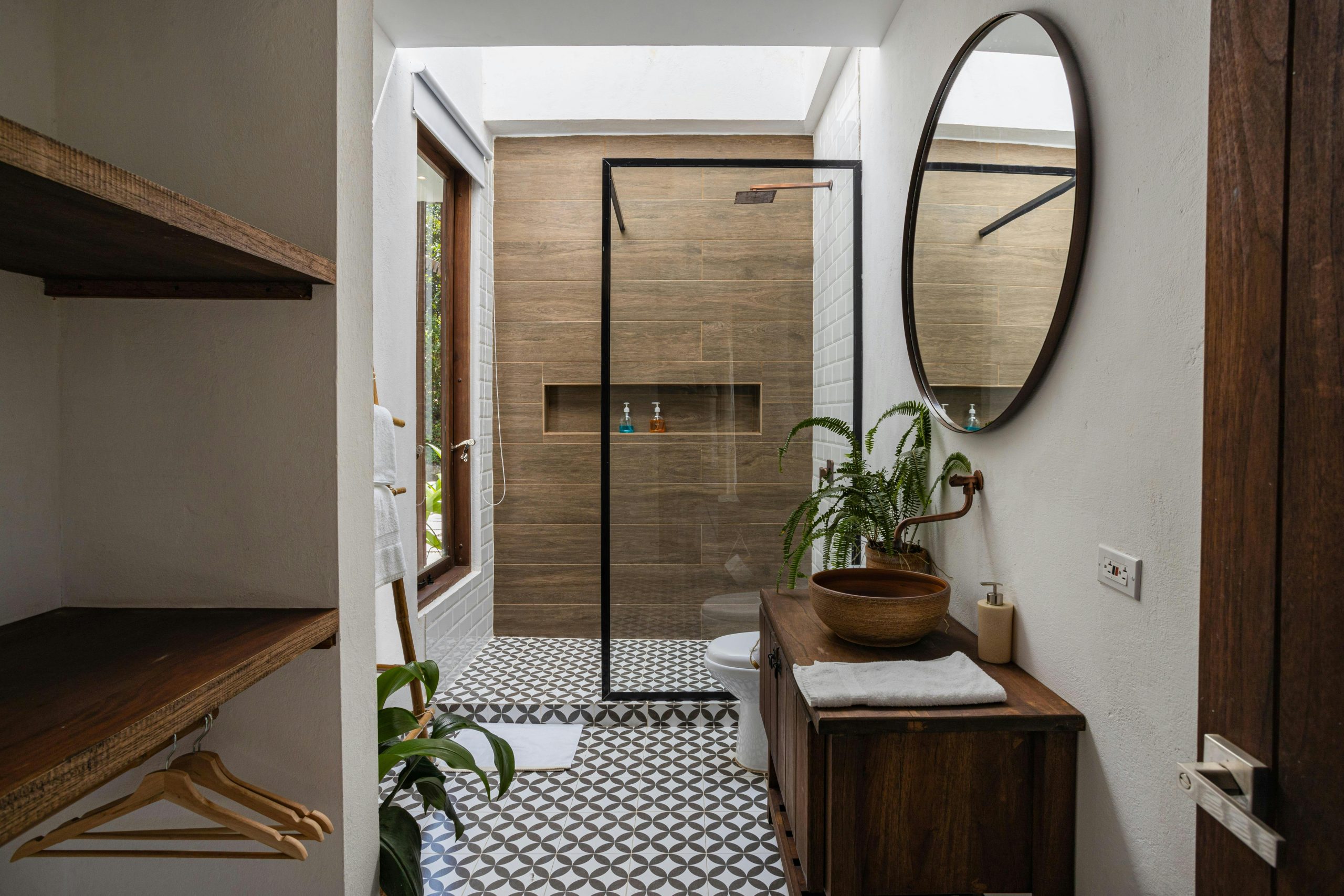
Aging in familiar surroundings successfully requires balancing practical safety needs with psychological preservation of identity and autonomy. Home modifications work best when they enhance capability rather than simply highlighting limitations. Universal design principles create accessibility without institutional aesthetics that make homes feel like medical facilities. Thoughtful updates maintain personal style while incorporating supportive features that feel integrated rather than tacked on as afterthoughts screaming disability.
The psychological health of aging individuals depends partly on environments that continue reflecting their personhood beyond physical capabilities. Rooms stripped of meaningful objects for safety reasons remove touchstones connecting present identity to lifelong narratives. Spaces rearranged purely for accessibility can erase the aesthetic choices and organizational systems that provided daily pleasure and sense of control. Successful aging-in-place designs honor both the person who needs support and the person who built a life in these rooms.
Familiar surroundings offer irreplaceable psychological benefits through continuity, autonomy, and connection to personal history that institutional settings cannot replicate. The challenge lies in adapting these spaces to serve changing bodies without transforming homes into constant reminders of loss. Thoughtful modifications allow aging in place to support dignity, independence, and quality of life rather than simply warehousing bodies in familiar locations that no longer feel like home.