Style Made Simple: A Practical Guide for People Who Hate Decision Fatigue
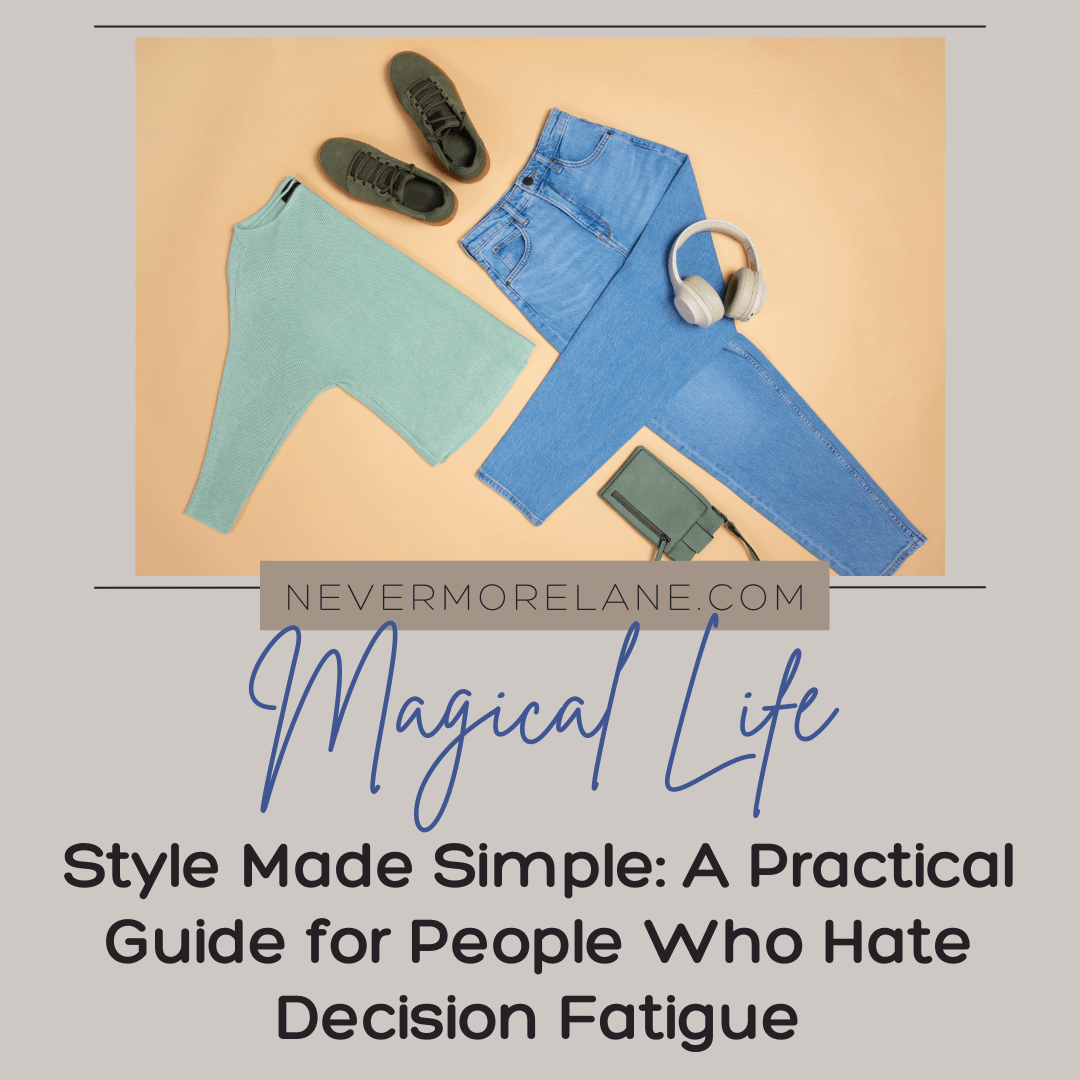
Opening the closet shouldn’t feel like solving a puzzle before coffee kicks in. Yet there it sits, a collection of clothes that seemed like good ideas at purchase but now just stare back accusingly while the clock ticks toward being late. Again. The question isn’t about lacking options but rather having too many choices that don’t actually work together, fit right, or match the day’s demands. Simplifying style is not about giving up on looking good. It is about reducing unnecessary choices. Decision fatigue around getting dressed steals energy meant for work projects, creative pursuits, or simply enjoying mornings without the low-grade stress of wondering whether this top goes with those pants or if showing up in yesterday’s outfit signals giving up entirely.
Some people love fashion as creative expression, spending weekend mornings planning outfits and following trends with genuine enthusiasm. That’s beautiful for them. For everyone else, clothing represents a necessary task that ideally requires minimal brain space while still looking presentable enough that nobody asks if everything’s okay. The desire for style simplicity doesn’t mean lacking taste or refusing to care about appearance. It means recognizing that not everyone wants clothing decisions consuming mental bandwidth better spent on things that actually matter personally, and that’s completely valid.
Creating simplified style systems means building wardrobes that work without thinking, establishing formulas that eliminate morning paralysis, and accepting that wearing variations of the same thing repeatedly demonstrates wisdom rather than laziness. Personal style can prioritize function, ease, and reliability over variety without apologizing. The goal becomes dressing appropriately for life without letting the process steal energy that belongs elsewhere.
Why Getting Dressed Feels So Exhausting
Every decision costs mental energy. When your wardrobe is full of one off pieces, complicated combinations, and items that only work in specific situations, getting dressed becomes work.
Psychologists have long linked excessive choice to decision fatigue. The American Psychological Association explains that repeated decision making can reduce the quality of later decisions and increase stress.
Simplifying clothing choices helps preserve mental bandwidth for things that actually matter.
Build a Wardrobe Around Repetition
One of the most effective ways to reduce decision fatigue is to embrace repetition. Wearing similar outfits on rotation removes the pressure to constantly reinvent your look.
This does not mean wearing the same thing every day. It means choosing silhouettes, colors, and fabrics that work together naturally.
When most items in your wardrobe match each other, fewer decisions are required.
Choose a Consistent Color Palette
Neutral and muted color palettes simplify outfit building dramatically. Blacks, whites, grays, denim, earth tones, and soft blues combine easily without thought.
This approach reduces the need to evaluate each item individually. You can grab pieces knowing they will work together.
Fashion editors often recommend limited color palettes as the foundation of low effort style because they minimize visual and mental clutter.
Prioritize Comfort Without Overthinking It
Comfort is not a compromise. It is a strategy.
Clothes that feel restrictive or require constant adjustment add mental noise throughout the day. Comfortable clothing allows you to forget what you are wearing.
This is especially important for people who move a lot, commute, or work in flexible environments.
Footwear Is Where Simplicity Pays Off Most
Shoes often create the most decision stress. They take up space, require planning, and can clash with outfits more easily than clothing.
The simplest approach is to rely on a small rotation of shoes that work across most situations.
Casual sneakers are one of the easiest solutions. Vans sneakers are a popular choice because they pair easily with jeans, relaxed trousers, and casual dresses. Their clean silhouettes and familiar look make them easy to reach for without hesitation. You can find the latest models on Tactics.
Other dependable options include cushioned everyday sneakers from New Balance for walking heavy days, minimalist leather sneakers from Adidas for a slightly polished look, and trail inspired sneakers from Salomon for people who want grip and stability without switching shoes constantly.
The goal is not variety. The goal is reliability.
Repeat Outfits on Purpose
Repeating outfits is one of the fastest ways to eliminate decision fatigue. If an outfit works, there is no reason to retire it.
Many people wear the same combinations weekly without noticing. Making that repetition intentional removes guilt and saves time.
According to Harvard Business Review, reducing small daily decisions helps preserve focus and improve overall productivity.
Outfit repetition is not laziness. It is efficient.
Eliminate Clothes That Create Friction
Pay attention to the items you consistently avoid. Clothes that require special care, specific shoes, or a certain mood often sit untouched.
These pieces add visual noise and increase decision time.
Removing them creates clarity. A smaller wardrobe that works is more useful than a large one that does not.
Set Personal Rules That Remove Choice
Style becomes easier when you set simple rules. For example, no uncomfortable fabrics. No shoes that cannot be worn for several hours. No items that only work for one occasion.
Rules reduce decision making because they eliminate options before you even consider them.
Once set, these rules quietly guide future purchases and daily choices.
Let Style Support Your Life
Style should serve your lifestyle, not compete with it. When clothes align with how you live, getting dressed stops being a task.
Simple style allows you to move through the day without self negotiation. You wear what works and move on.
That freedom is the real benefit.
A More Sustainable Way to Dress
Simplified wardrobes tend to be more sustainable. Fewer items worn more often reduce waste and encourage mindful consumption.
Buying less but choosing better quality creates long term value, both mentally and materially.
This approach benefits more than just your closet.
Where Simplicity Leads
When style becomes simple, it stops demanding attention. You spend less time choosing and more time living.
The best outfits are often the ones you barely think about. They support your day quietly and consistently.
For people who hate decision fatigue, that kind of style is not boring. It is liberating.
Maintaining Style Systems That Actually Stick
Building Wardrobes That Don’t Fight Back
Simplified style works when the system becomes genuinely automatic rather than just another thing requiring maintenance and thought. Capsule wardrobes sound appealing until they demand seasonal curation and Pinterest-level coordination skills. Uniform dressing actually delivers on the promise of thoughtless mornings when everything genuinely works together because colors coordinate automatically and fits remain consistent across pieces. The magic happens when opening the closet means grabbing whatever’s clean rather than conducting mental gymnastics about whether navy and black can coexist or if these shoes work with this hemline.
Keeping style simple long-term requires protecting the system from well-meaning chaos. Gifts that don’t fit the established palette go directly to donation regardless of thoughtfulness behind them. Sales tempt with good deals on things that don’t coordinate with anything owned, and those stay in stores where they belong. The impulse purchase promising to “make everything work” usually just clutters the closet while still leaving nothing to wear. Guard simplified wardrobes fiercely because every addition that doesn’t integrate seamlessly reintroduces the decision fatigue that the whole system exists to eliminate.
Style simplification ultimately serves people whose energy belongs focused on work, relationships, creative projects, or literally anything beyond coordinating outfits. There’s freedom in admitting that fashion ranks low on personal priority lists and building systems reflecting that reality. Invest in quality basics that last, establish formulas that eliminate thinking, and stop apologizing for wearing essentially the same thing repeatedly. Save decision-making energy for choices that actually impact life rather than spending it on whether this scarf elevates the outfit or just adds laundry.