Structural Protection Strategies That Safeguard Long-Term Home Value
Have you ever wondered what is really holding your home together? Fresh paint and stylish kitchens grab attention. Shiny floors impress guests during weekend visits. Yet the true strength of a house lies behind the walls and beneath the floors. In recent years, rising home prices have pushed property values to record highs. At the same time, extreme weather events have become more common across the country. Storms, floods, and heat waves test the limits of residential structures.
Buyers now look beyond surface beauty – they want homes that promise durability and safety. Protecting structural integrity has become a financial strategy, not just a maintenance task. In this blog, we will share practical structural protection strategies that help preserve property value and prevent costly surprises.
Strengthening the Foundation Before Problems Surface
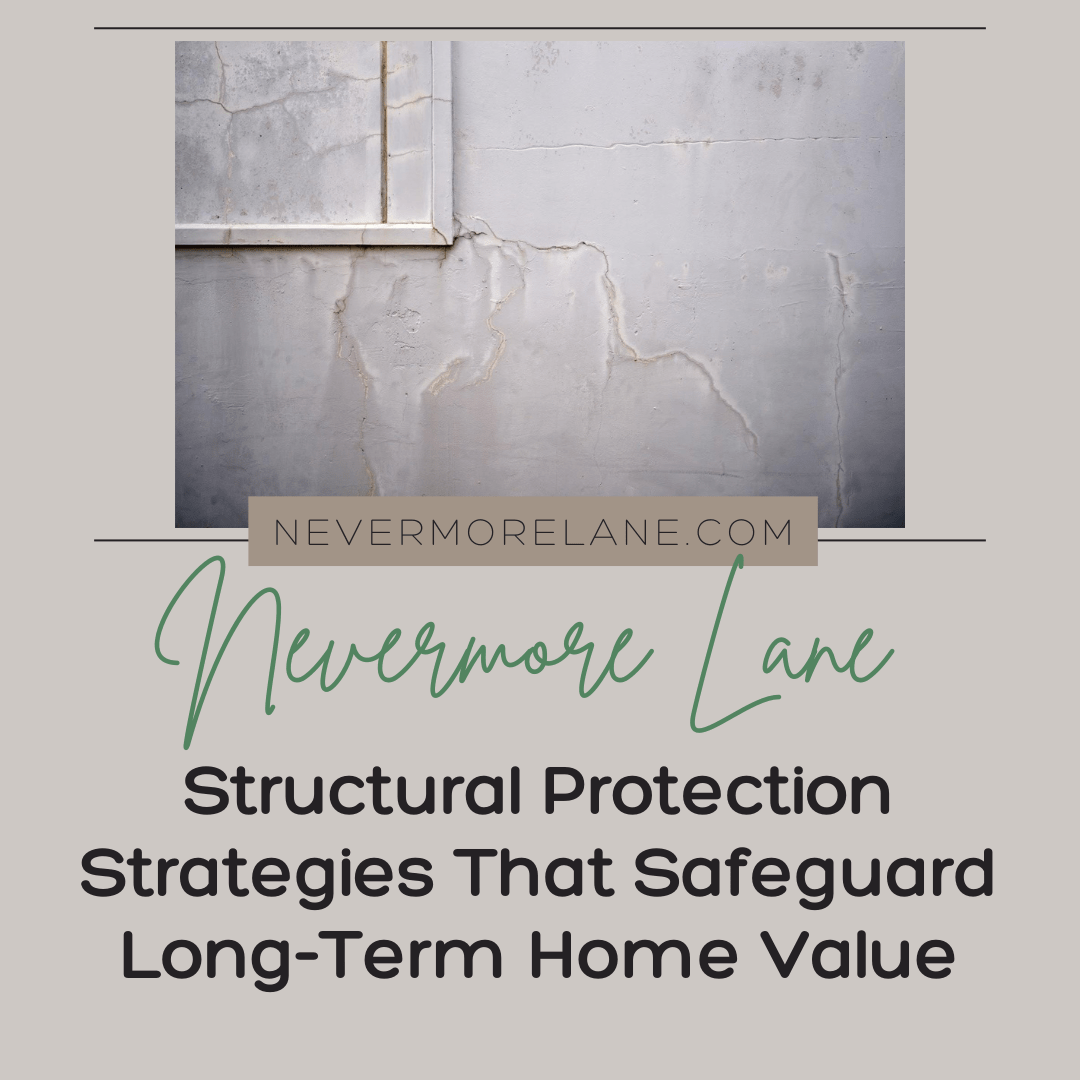
The foundation rarely gets attention, yet it supports the entire home. Small cracks can expand over time, especially when water seeps in and weakens the concrete. Heavier rainfall and shifting soil have increased structural stress in many regions. Regular inspections help catch early warning signs before damage spreads. Fixing minor issues costs far less than major reconstruction.
Proper drainage, extended downspouts, and correct grading keep moisture away from the base. Simple maintenance steps protect both structural stability and long term resale value.
Guarding Wooden Structures Against Hidden Threats
Wood framing forms the backbone of many homes. It supports walls, ceilings, and roof systems. Yet wood attracts moisture and insects. Both can cause slow and expensive damage.
Termites remain a widespread concern in many states. They work quietly and often remain unseen until serious harm occurs. Regular inspections reduce that risk. Many homeowners rely on trusted termite exterminators to evaluate vulnerable areas. Professional treatment plans create barriers that protect structural wood. This step is not dramatic or flashy. Still, it safeguards long term investment.
Ventilation also protects wooden elements. Crawl spaces and attics need proper airflow. Excess humidity encourages rot and mold growth. Sealing cracks and maintaining dry conditions extend the lifespan of framing materials. Preventative care keeps small issues from becoming structural emergencies.
Reinforcing Roof Systems Against Changing Weather
The roof stands as the first line of defense against storms. In recent years, hurricanes and severe wind events have increased in frequency. Even regions once considered mild now experience unusual weather patterns. Roofing materials must withstand these changes.
Regular inspections identify loose shingles and weakened flashing. Prompt repairs prevent water from entering attic spaces. Reinforced fasteners and updated materials add durability. Modern roofing systems often offer improved resistance to wind uplift.
Insurance companies increasingly assess roof condition when setting premiums. A well maintained roof can lower costs. It also reassures potential buyers. Structural protection extends upward as well as downward. The roof plays a vital role in long term value preservation.
Managing Moisture Inside the Home
Moisture does not only threaten foundations and roofs. It can affect interior framing and flooring as well. Leaking pipes often go unnoticed behind walls. Over time, hidden dampness weakens structural supports.
Smart home sensors now help detect leaks early. Technology alerts homeowners before water damage spreads. Dehumidifiers also reduce indoor humidity levels. Controlled moisture protects wood and prevents mold growth.
Bathroom and kitchen ventilation systems deserve attention. Steam and condensation must be directed outside. Proper airflow keeps interior structures dry. These upgrades may seem small. Yet they preserve both safety and resale potential.
Updating Structural Components Before They Fail
Homes built decades ago often depend on materials that were standard at the time but no longer meet modern expectations. Electrical wiring can become overloaded by today’s technology demands. Plumbing lines may corrode slowly behind walls. Support beams can weaken after years of carrying weight without reinforcement. When these systems are ignored, small issues tend to grow into expensive emergencies.
A flickering light might signal a larger electrical concern. A minor leak could quietly damage framing and insulation. Proactive attention reduces the chance of sudden and disruptive breakdowns.
Routine evaluations make it easier to decide when repairs or replacements are necessary. Reinforcing structural beams can prevent uneven floors and cracked drywall. Updating electrical panels lowers the risk of fire and supports modern appliances. Replacing aging pipes protects against water damage that spreads quickly and quietly.
Landscaping Choices That Protect Structural Integrity
The yard influences the house more than many realize. Large trees provide shade and beauty. Their roots can also disrupt foundations and underground pipes. Thoughtful landscaping protects structural stability.
Trees should be planted at safe distances from the home. Regular pruning prevents branches from damaging roofs during storms. Proper drainage systems keep soil moisture balanced. Hardscaping features can guide water flow away from walls.
Sustainable landscaping trends encourage rain gardens and permeable surfaces. These features reduce runoff and soil erosion. Structural protection extends beyond the walls. The surrounding environment plays a critical role.
Planning for Long Term Resilience
Economic uncertainty has made homeowners more cautious. Rising repair costs and supply chain disruptions add pressure. Structural protection serves as a shield against unexpected expenses. Proactive maintenance reduces financial surprises.
Communities across the country now discuss climate resilience. Stronger building codes reflect this shift. Homeowners who adopt higher standards protect both safety and equity. Reinforced windows, storm shutters, and upgraded insulation improve durability.
Resilience also supports peace of mind. A stable structure allows families to focus on daily life. The home becomes a secure base rather than a source of stress. Long term value depends on this sense of stability.
Structural protection may not capture headlines like kitchen remodels. It does not always generate excitement. Yet it forms the quiet foundation of lasting home value. Each inspection, repair, and upgrade contributes to overall strength.
The big lesson is clear. Focus on what holds the house together. Address small issues before they grow larger. Invest in prevention rather than crisis response. Homes protected at the structural level stand stronger in shifting markets and unpredictable weather. That strength translates into confidence, security, and sustained value for years to come.