Stress Pimples on the Lip: Why They Show Up and How to Calm Them
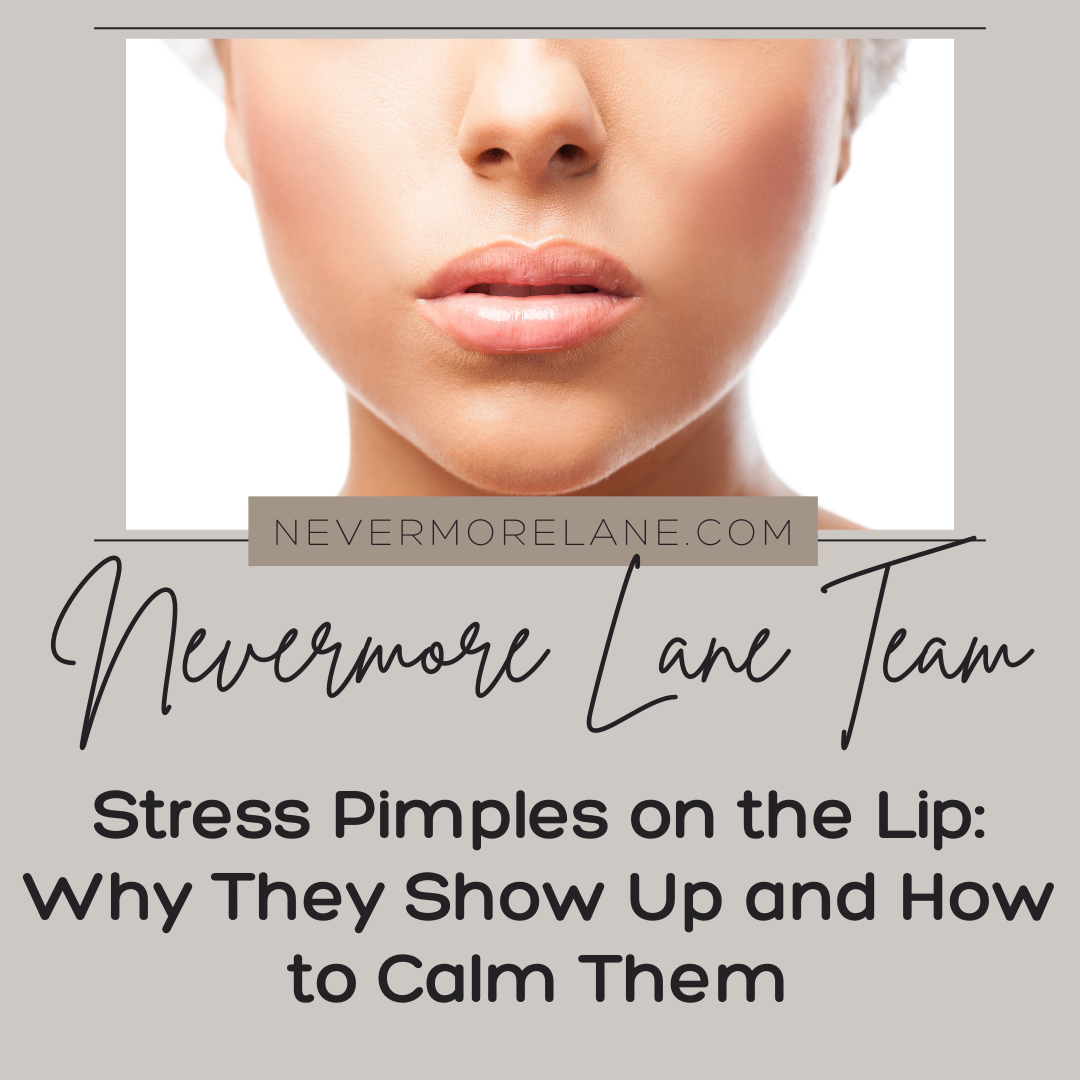
The important presentation looms tomorrow and a painful bump erupts right on the lip line. The wedding photos happen this weekend and the corner of the mouth develops an angry red spot. The pattern repeats so predictably that the connection becomes undeniable. Stress arrives and lip pimples follow like unwelcome companions. The timing feels cruelly intentional as if the body conspires to sabotage confidence during the moments it’s needed most.
Stress pimples on the lip differ from typical breakouts in their timing, location, and stubborn persistence. They appear during high-pressure periods when cortisol floods the system. The delicate skin around the mouth becomes ground zero for stress-induced inflammation. Oil production increases. Bacteria multiply. The perfect storm creates painful bumps exactly where makeup cannot hide them and touching them unconsciously makes everything worse. The visibility compounds the stress that caused them in the first place.
Understanding why stress targets the lip area specifically helps break the cycle that leaves people dreading every high-pressure situation. The perioral region contains numerous sebaceous glands that respond dramatically to hormonal fluctuations. Stress eating and lip biting during anxious periods introduce additional bacteria. The constant movement of talking and eating prevents healing. These factors combine into the perfect conditions for breakouts that resist standard acne treatments designed for facial skin with different characteristics.
When A Lip Bump Shows Up Out Of Nowhere
It can feel confusing when a small bump shows up on your lip. You touch your face in the mirror and wonder why your skin picked this spot. A stress pimple on the lip can feel annoying because the area is so delicate. The skin there is thin, so even a small bump feels big. It can look red or swollen, which makes you notice it even more. Many people deal with this, so you are not alone.
How Stress Shows Up On Your Skin
Your body reacts to stress in different ways. Sometimes you feel it in your stomach. Sometimes you feel it in your head. And sometimes it shows up on your skin. When you are stressed, your body releases hormones that can make your oil glands work harder. This extra oil can block pores around the mouth. When a pore gets blocked, it can turn into a stress pimple on the lip. It feels tender because the skin in that area is soft and sensitive.
Why The Lips Are A Sensitive Spot
Lips do not have the same strong outer layer that the rest of your face has. They dry faster and get irritated easily. When a pore around the lip gets clogged, the bump feels sharper and more uncomfortable. Even talking or eating can make it feel worse. Some people also get bumps on lips when they lick their lips often, which adds moisture and bacteria to the area. The skin then tries to protect itself and creates a small bump.
Bumps On Lips Are Not All The Same
Not every bump on the lip is a stress pimple. Sometimes it is just a clogged pore. Sometimes it is irritation from food or toothpaste. Some people get small oil bumps that look like tiny white dots. These are harmless and often go away on their own. A stress pimple on the lip usually feels sore when you touch it. It can look red and raised. It may get bigger when you feel anxious or tired because the skin becomes more reactive.
How Stress Makes Breakouts Feel Worse
When you worry a lot, you may touch your face more. You may pick at your lips without noticing. This puts more bacteria on the skin. Stress also slows healing, so the bump stays longer than usual. It feels like the more you think about it, the more irritated it becomes. This happens because stress keeps the skin tense. The area around the mouth reacts quickly to these small changes.
Small Habits That Can Help Calm The Area
The first step is to avoid touching the bump. It is tempting, but touching makes it more swollen. Washing your face gently helps keep the area clean. Using lip balm that is fragrance free can help protect the skin. You can put a warm cloth on the bump to soothe the pressure. These small steps give the skin a chance to calm down. Over time, the bump will flatten as the pore clears.
When It Feels Like The Bump Is Not Going Away
Sometimes the bump stays for a few days. This can make you feel frustrated. But the lip area heals at its own slow pace. Each time you move your mouth, the skin stretches. This can keep the bump active. Try to be patient with it. Drinking more water and sleeping better can help your skin repair faster. Stress pimples on the lip often improve once your stress levels drop.
How Food And Products Can Cause Bumps
Some bumps on lips come from spicy food, citrus fruits, or even salty snacks. These foods irritate the skin around the mouth. Toothpaste can also cause bumps if you are sensitive to certain ingredients. Lip makeup can cause clogged pores too. When you remove your makeup at night, the skin gets to breathe and rest. Over time, you can learn what triggers your bumps and avoid those things when possible.
Why Hormones And Stress Work Together
Hormones and stress go hand in hand. When hormones shift, your skin becomes more reactive. Add stress to that, and breakouts show up faster. A stress pimple on the lip is often a sign that your body needs rest. Your skin is trying to tell you that it feels overwhelmed. When you slow down and breathe more, your skin can settle. Your body and mind work together more than you think.
Keeping The Lip Area Clean Without Overwashing
Some people wash the area too much. They think this will make the bump disappear. But overwashing dries the skin and makes it more irritated. A gentle routine is always better. Use a soft cleanser and rinse well. After washing, pat the skin dry instead of rubbing. This keeps the skin calm and helps bumps fade faster.
Why Picking The Bump Makes It Worse
Picking at the bump can make it swell or even leave a mark. The lip area scars easily because the skin is thin. When you pick, you push bacteria deeper into the pore. This can start a new breakout. It is helpful to keep your hands busy with something else so you do not pick without thinking. Your skin will heal faster when it is left alone.
How To Bring Relief While It Heals
If the bump feels painful, you can use a warm compress for a few minutes. This helps reduce pressure and relaxes the skin. A mild, non-irritating spot product can also help. Some people like using aloe gel because it feels cooling. You just need something gentle. The goal is to support the skin, not fight it.
Understanding What Your Skin Is Telling You
A stress pimple on the lip is often a signal. It tells you that your body feels tired or tense. It reminds you to slow down for a moment. When you take care of yourself, your skin usually follows. Drinking water, resting more, and breathing deeper can help your skin stay balanced. Small changes make a big difference over time.
When To See A Professional
If the bump grows, changes, or keeps coming back, it may be good to talk to a dermatologist. They can check if it is a pimple or something else. Some bumps on lips need special care. It is always better to ask if you feel unsure. Your skin deserves the right support.
Living With Less Stress And Fewer Lip Breakouts
Life will always bring stress, but your skin can still stay steady. When you understand why bumps show up, they feel less scary. You learn what helps and what hurts. You learn how your body reacts. And you learn to care for it with more kindness. Your skin is doing its best every day. A little patience goes a long way.
Soothe the Skin and the Stress Underneath
Stress pimples on the lip respond better to gentle targeted treatment than aggressive acne products. The delicate perioral skin cannot tolerate harsh ingredients that work elsewhere on the face. Gentle cleansing prevents additional irritation. Spot treatments with tea tree oil or salicylic acid reduce inflammation without burning sensitive tissue. Ice reduces swelling and pain. Hydrocolloid patches protect bumps from touching and bacteria while drawing out infection.
The long-term solution addresses stress itself rather than just treating symptoms. The pimples signal that cortisol levels need management through whatever stress reduction actually works personally. Deep breathing. Movement. Better sleep. Therapy. Boundaries. The specific method matters less than consistent practice that prevents stress from accumulating to breaking points. Skin reflects internal state. Calming one requires calming the other.
Lip pimples remind us that bodies communicate clearly when stress exceeds healthy limits. The breakouts arrive as messengers rather than punishments. They ask for gentler treatment both topically and internally. Sometimes the most effective skincare involves addressing what’s happening beneath the surface rather than attacking what shows up on it. The stressed skin needs soothing. The stressed person needs it even more.