Solving Tiny Bedroom Challenges with Smart Bed Design
The bedroom feels more like a crowded storage closet than a restful sanctuary, with the bed consuming every inch of floor space and leaving no room for dressers, desks, or even comfortable pathways to the window. Tiny bedrooms create daily frustrations as people navigate sideways between furniture, sacrifice storage for sleeping space, or simply resign themselves to cluttered rooms that never feel truly functional or relaxing. The bed itself becomes the problem rather than the solution, a massive immovable object dictating every other choice about how the room can possibly function.
Smart bed design transforms these cramped spaces from frustrating limitations into surprisingly functional rooms that serve multiple purposes without feeling chaotic or claustrophobic. Beds with built-in storage drawers reclaim the wasted space underneath sleeping surfaces. Murphy beds disappear into walls, converting bedrooms into home offices during daytime hours. Loft beds create entire living areas underneath elevated sleeping platforms. Platform beds with integrated shelving eliminate the need for separate nightstands and bookcases. These intentional design solutions recognize that in tiny bedrooms, the bed must work harder than simply providing a place to sleep.
The challenge involves selecting bed designs that maximize functionality while maintaining the aesthetic appeal and comfort that bedrooms require for genuine rest and relaxation. Storage beds cannot feel utilitarian and cold. Space-saving designs must still create cozy atmospheres where sleep comes easily. Multi-functional pieces need to look intentional rather than desperately improvised. Understanding which smart bed designs deliver practical solutions without sacrificing the sanctuary feeling that bedrooms deserve helps people trapped in tiny spaces reclaim both square footage and peace of mind.
Murphy Beds That Give You Room to Move
Some bedrooms are small enough that the bed controls almost everything. It limits where you stand, how you walk, and the amount of space you have during the day. If the bed stays fixed in one position, the room often feels tighter than it needs to be. A Murphy bed solves this by letting the space change with your routine, and it works especially well when you want to welcome in more natural light.
A flexible option, such as a Queen Murphy Bed, works well in rooms that serve more than one purpose. When you need it, pull it down and settle in. When you need it, pull it down and settle in. When you don’t, fold it back up and open the floor again. This gives you space to work, stretch, or set up foldable desks or a floating desk without feeling boxed in.
Daybeds That Add Comfort Without Filling the Room
Some bedrooms need to work as both a place to rest and a spot to unwind during the day. A regular bed can fill the room, leaving little space to sit or relax. A daybed gives you both. It feels like a cozy nook during the day and a comfortable bed at night, which is why many interior designers incorporate it into compact layouts.
This option also softens the room. Cushions, light blankets, and simple fabrics help the daybed blend into the space without overwhelming it. It creates a welcoming corner for reading or quiet breaks, leaving room for decorative pieces, string lights, or a small side table without making the layout feel crowded.
Storage Beds That Keep Clutter Out of Sight
Clutter becomes a real issue in small bedrooms. Even a few extra items on the floor or nightstand can make the room feel crowded. The challenge often isn’t the size of the room but the lack of places to put things. A storage bed creates space where you didn’t have any before and helps you clear visual clutter without adding more furniture, especially when paired with built-in storage or nearby wall shelves.
Beds with drawers, lift-up frames, or hidden compartments help keep everyday items organized. They reduce pressure on your closet and keep the floor clear. This makes it easier to maintain a clean and calm room. When the things you use most have a place to go, the entire space feels more grounded and easier to maintain, especially if you pair them with simple laundry hampers or a storage bench.
Low-Profile Beds That Keep the Room Open
In very small rooms, even a few inches of height can influence how large or small the space feels. A tall bed frame can make the room feel closed in. A low-profile or platform bed softens that effect. It lowers the visual weight and gives the walls more room to breathe, which can also enhance visual interest in the rest of your bedroom furniture.
This type of bed works well with soft bedding, light curtains, and simple accents. The result is a room that feels open even when the square footage is limited. A lower bed can make the ceiling seem higher, and the layout feel less crowded. It adds comfort without drawing too much attention to itself, especially when paired with tasteful mirrored furniture that reflects light and keeps the room feeling airy.
Loft Beds That Make the Most of Vertical Space
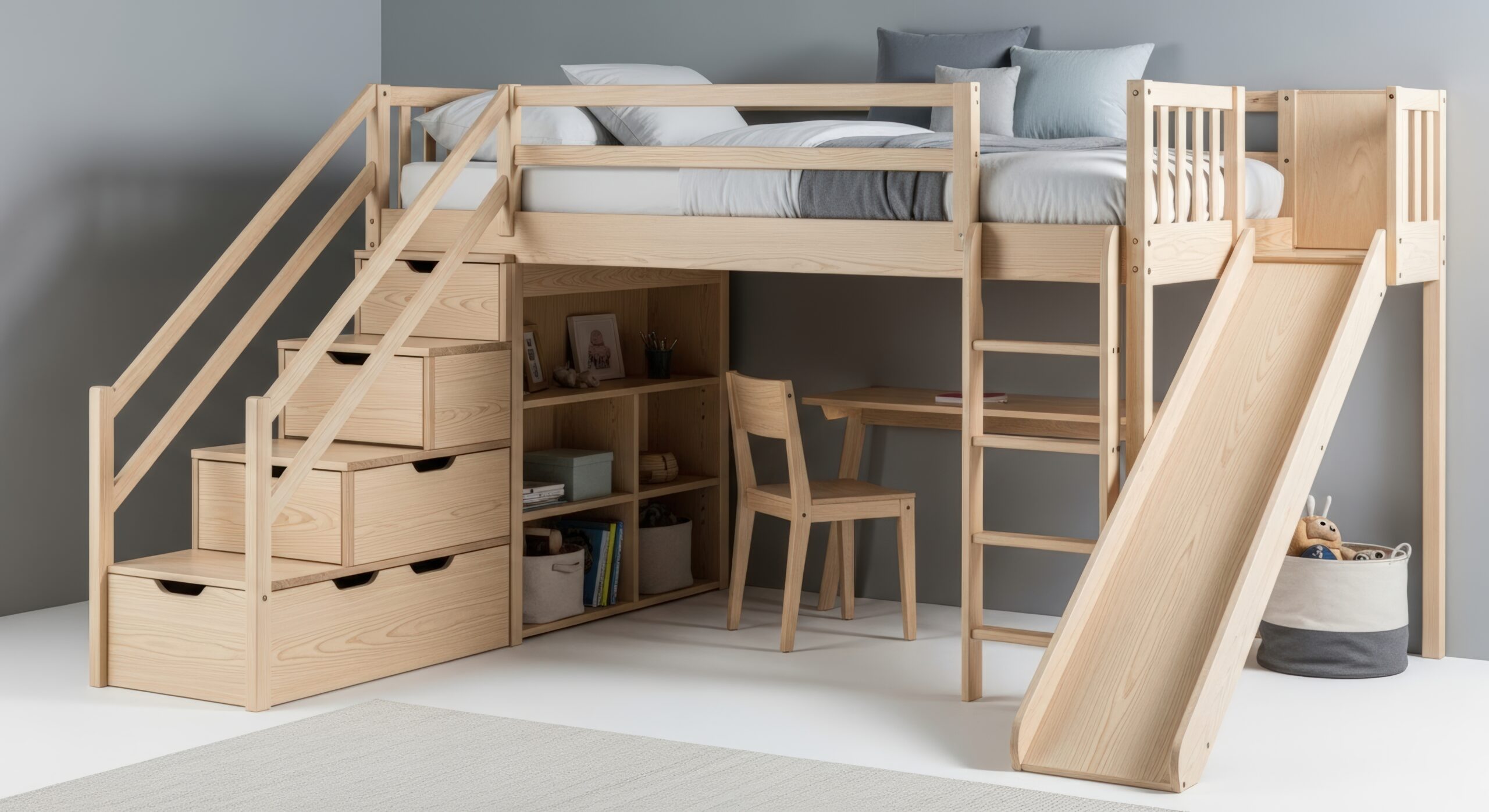
Some rooms have limited floor space but generous height. In such cases, lifting the bed off the ground can transform the room’s functionality. A loft bed clears the lower area for a desk, a dresser, or a small lounge spot. It uses space that often goes untouched and supports better space optimization in tight rooms.
A loft bed also helps define clear zones. Your sleeping area is above, while the lower space supports other parts of your day. This separation brings a sense of order without adding bulky furniture. It also creates room to move, which can help the entire bedroom feel more open and purposeful, especially when you use a few pieces of space-saving furniture to keep the area underneath efficient and easy to use.
Reclaim Your Space One Smart Choice at a Time
Smart bed designs solve tiny bedroom challenges through strategic functionality that eliminates wasted space. Storage beds with hydraulic lift systems or drawer units utilize the substantial area underneath mattresses. Murphy beds fold completely into walls or cabinets. Loft beds elevate sleeping areas to free floor space below. Platform beds incorporate shelving and storage directly into frames. Daybeds function as seating during daytime hours.
The transformation happens through choosing designs matching specific needs and room constraints. Studio apartments benefit from Murphy beds creating flexible living spaces. Children’s rooms maximize play areas through loft configurations. Guest rooms double as home offices with daybed solutions. Each situation demands different approaches, but all share the goal of making limited square footage work harder without compromising comfort or style.
Tiny bedrooms no longer mean choosing between functionality and sanctuary. Smart bed design proves that small spaces can serve multiple purposes while still feeling restful and beautiful. The bed becomes the solution rather than the problem when chosen with intention and creativity. Sometimes the most spacious feeling comes not from having more room but from using existing space infinitely better than before.