Solar vs. Fuel Generators in the Home: 8 Crucial Differences Explained
Power outages transform from minor inconveniences into serious concerns when they stretch beyond a few hours. Refrigerators filled with food begin warming while medical equipment requiring electricity creates urgent safety issues. Home offices dependent on internet connectivity lose income-generating capacity while families lose climate control during extreme weather events that often cause the outages themselves. Backup power solutions have become practical necessities rather than luxury considerations for many households experiencing increasingly unstable electrical grids.
The generator market offers two fundamentally different approaches to home backup power. Traditional fuel generators burn gasoline, diesel, or propane to produce electricity on demand with established technology homeowners understand. Solar generators capture energy from sunlight, store it in batteries, and provide power without combustion, noise, or ongoing fuel costs. Each technology serves backup power needs but through completely different mechanisms with distinct advantages, limitations, and long-term implications for household budgets and preparedness strategies.
Understanding the crucial differences between solar and fuel generators allows informed decisions matching specific household needs, usage patterns, and emergency preparedness priorities. The right choice depends less on which technology is objectively superior and more on which approach aligns with individual circumstances, risk tolerance, and values around sustainability, maintenance, and operational logistics during the exact moments when backup power matters most.
Power Source: Solar generators use sunlight; fuel generators run on petrol, diesel or LPG.
A solar generator draws energy from sunlight through panels that convert solar energy into electricity. It stores that power in a built-in battery, which users can tap into during blackouts or outdoor use. This setup works silently and produces no emissions
.
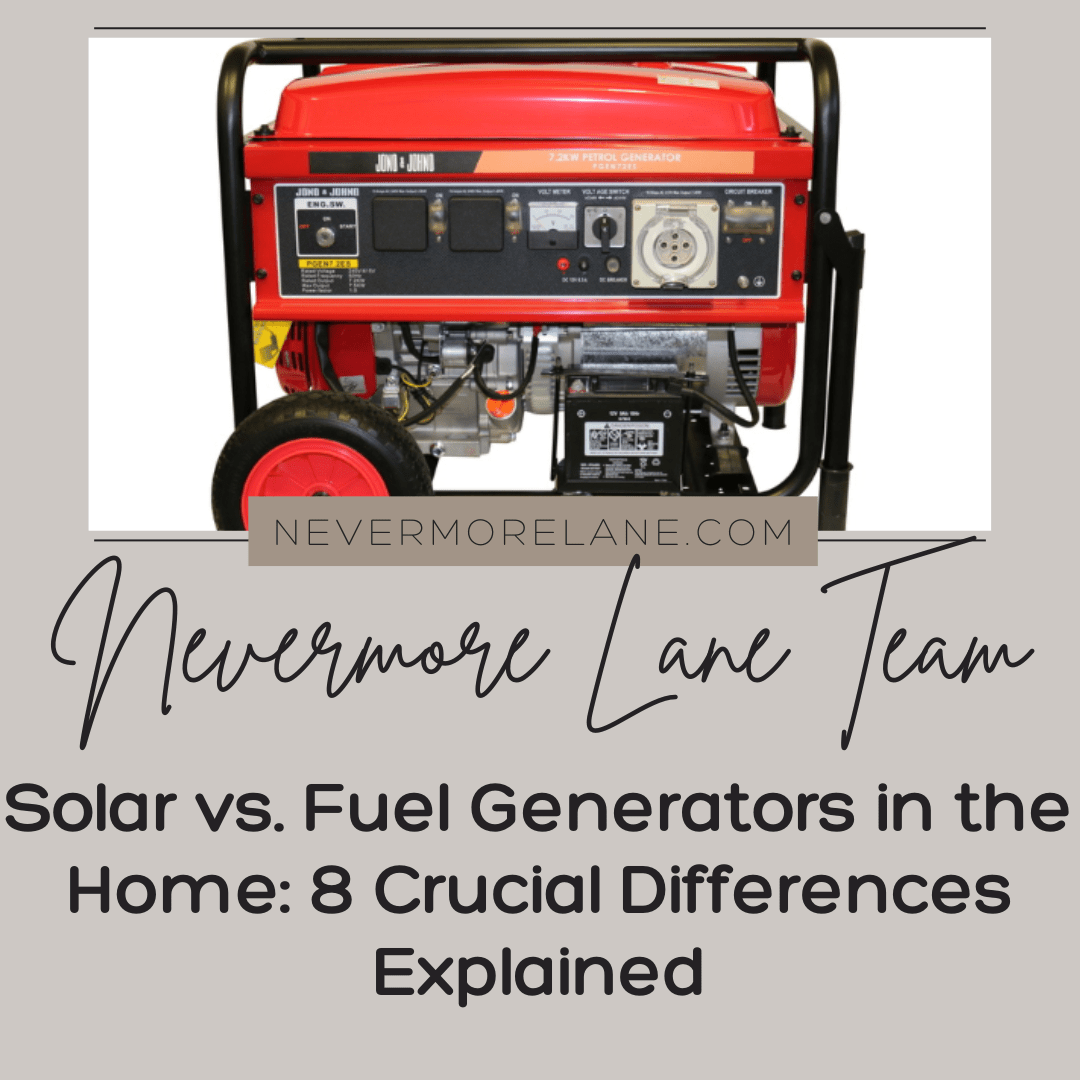
Fuel generators, by contrast, rely on engines that burn petrol, diesel, or LPG to create electricity. They continue to operate regardless of daylight, which makes them better for steady, high-demand power needs. Many households and worksites still turn to traditional models for heavy tools or long-duration supplies.
Those looking for Petrol Generators for Sale can find portable units that suit both home backup and jobsite power. Fuel options give faster refuelling and consistent output, though they create noise and require regular maintenance.
Noise Levels: Solar generators operate silently, unlike noisy fuel generators.
Solar generators work with little or no sound because they have no combustion engine or exhaust system. They rely on sunlight to produce electricity, so they create power quietly without moving parts that cause vibration.
Fuel generators, on the other hand, use internal engines that burn petrol or diesel. These engines often produce noise levels between 60 and 90 decibels, similar to a vacuum cleaner or motorcycle.
The quiet nature of solar units makes them better choices for camping sites, residential areas, or any space sensitive to noise. In contrast, a fuel generator may disturb nearby people, especially in peaceful outdoor settings.
Therefore, those who value silence and comfort may find solar generators the more pleasant option for producing electricity.
Environmental Impact: Solar is eco-friendly with zero emissions; fuel generators emit pollutants
Solar generators create electricity without releasing greenhouse gases or air pollutants. They use sunlight as an energy source, which makes them much cleaner than fossil fuel systems. This helps cut carbon emissions and limits damage to air quality.
Fuel generators, on the other hand, burn diesel or petrol to operate. This process releases carbon dioxide, nitrogen oxides, and other harmful substances into the air. These emissions contribute to climate change and local air pollution.
Solar systems also run quietly and have minimal ongoing environmental effects. Fuel generators need regular refuelling, which can lead to spills and waste. Therefore, solar power systems reduce long-term harm to both the atmosphere and surrounding ecosystems.
Runtime: Fuel generators provide longer continuous power if supplied with fuel
Fuel generators can operate for long periods as long as they have access to fuel. Most petrol or diesel models can run for about 7 to 12 hours on a full tank at moderate load, though larger units with external tanks may continue for days. Their runtime mainly depends on tank capacity, engine efficiency, and how much power the user draws.
Solar generators work differently. They rely on sunlight and battery storage, so output drops once the batteries run out. Users must wait for daylight to recharge or connect extra panels or batteries to extend operation.
In constant-use situations such as emergencies or construction work, fuel generators handle heavier loads for longer periods. Solar units suit shorter tasks or off-grid setups where silent or clean energy matters more than nonstop operation.
Maintenance: Solar generators require minimal upkeep; fuel generators need regular engine servicing
Solar generators use few moving parts, so they need little maintenance. Users mainly clean the panels and check the battery and wiring. As a result, these systems often run smoothly with only basic care.
Fuel generators, in contrast, depend on engines that require regular attention. Owners must change oil, replace filters, and inspect fuel lines. Neglecting these tasks can lead to poor performance or mechanical problems.
The difference in upkeep affects long-term cost and convenience. Solar units usually save time and money because they avoid routine engine servicing. However, fuel generators continue to appeal to users who value predictable power despite higher maintenance effort.
Portability: Solar generators are lighter and easier to transport than most fuel generators
Solar generators usually weigh far less than fuel-powered models. Many fit into a compact case that one person can carry without much effort. This light design suits camping trips, small homes, and vehicles where space matters.
Fuel generators often include a large engine and fuel tank, which adds weight. Users may need wheels or two people to move them safely. In contrast, a solar unit stores power in a battery and runs quietly without petrol or diesel.
Because solar generators do not emit fumes, they can be used indoors or in enclosed spaces. They also require little setup time. As a result, people who value quick mobility often find solar models more convenient for regular use or emergency backup.
Cost: Initial investment for solar is higher; fuel generators are generally cheaper upfront
Solar generators usually require a larger initial investment because of the cost of panels, batteries, and installation. However, they often have low maintenance expenses and no fuel costs, which can lead to long-term savings.
Fuel generators, by contrast, tend to cost less upfront and are easier to purchase for immediate use. Yet, they need regular fuel and maintenance, which can raise total costs over time.
Many people find that solar systems become more cost-effective after several years. This advantage grows as fuel prices rise and solar technology becomes more affordable. Therefore, the higher starting cost of solar often balances out through lower operating expenses and longer equipment life.
Reliability: Fuel generators perform consistently regardless of weather; solar depends on sunlight availability.
Fuel generators deliver steady power because they rely on petrol, diesel, or propane rather than the environment. They work day or night and handle sudden demand for electricity without interruption. This predictable output makes them useful in emergencies or during prolonged blackouts.
Solar generators depend on sunlight, so their performance varies with weather and location. Cloudy days or shade can reduce the amount of power they store, and at night they draw only from their battery reserves. As a result, users must plan energy use carefully during less sunny periods.
Some households combine both systems to balance dependability with cleaner energy. A hybrid setup provides fuel-based power whenever solar production falls short, giving steady electricity while reducing fuel use overall.
Powering Homes Through Whatever Comes
Building Resilient Energy Independence
Backup power decisions ultimately reflect broader approaches to household resilience and self-sufficiency. The generator chosen demonstrates priorities around sustainability versus immediate power availability, ongoing costs versus upfront investment, maintenance commitment versus set-and-forget convenience. Neither solar nor fuel generators provide perfect solutions, but both offer paths toward energy security that utility companies cannot guarantee.
Long-term satisfaction with backup power systems depends on realistic expectations aligned with actual usage patterns. Weekend power outages require different solutions than extended grid failures following major storms. Whole-home power needs differ dramatically from essential circuit coverage. Climate conditions, available sunlight, storage space, and noise considerations all influence which generator type serves individual households best.
The investment in backup power generation protects more than just convenience during outages. Medical needs, food security, climate control, and income continuity all depend on reliable electricity that grid infrastructure increasingly struggles to provide. Whether through solar panels charging batteries or fuel engines spinning generators, taking control of household power resilience means fewer anxious hours sitting in darkness waiting for utility companies to restore services beyond personal control.