Signs Your Garage Door Needs Professional Attention
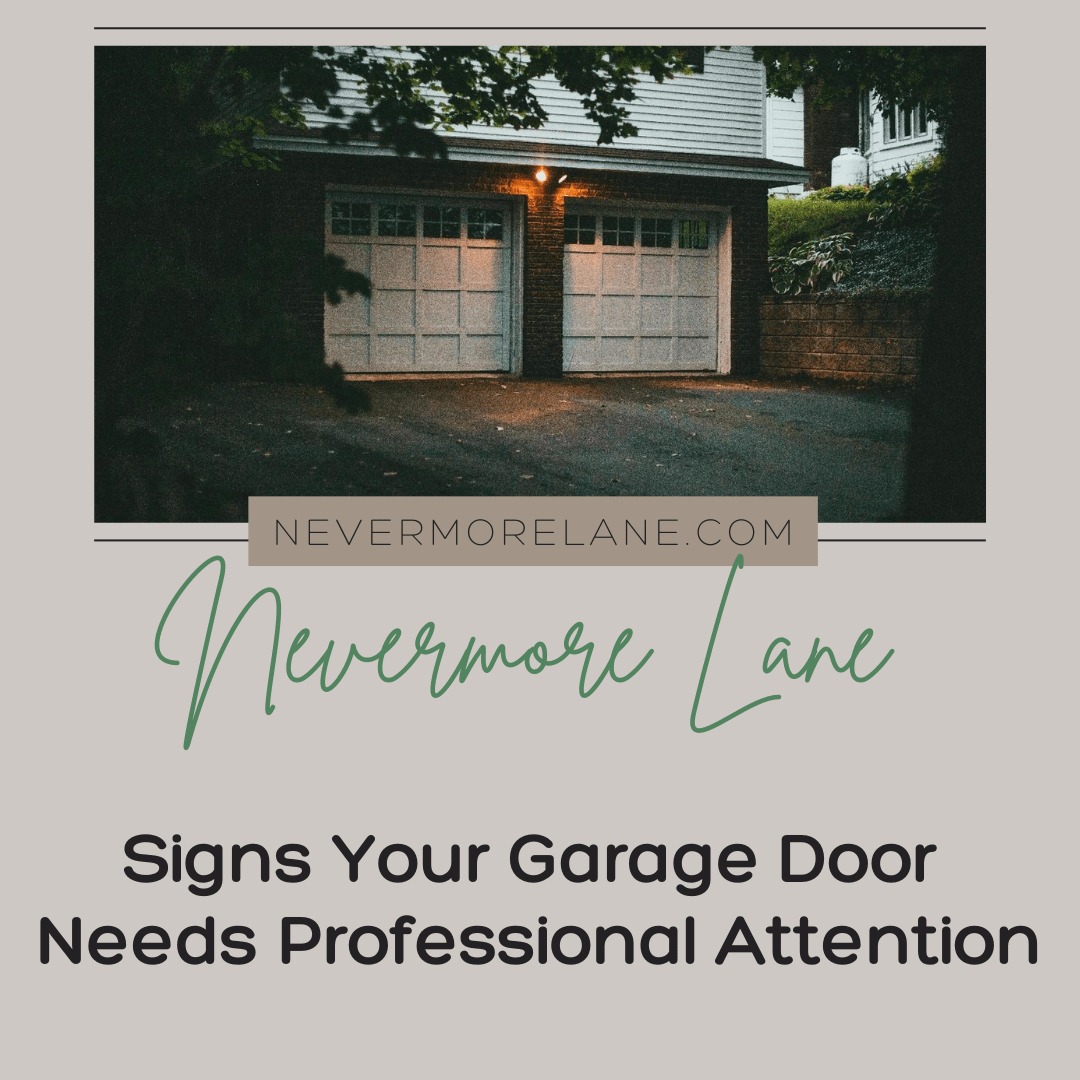
Garage doors fail spectacularly when warning signs get ignored, with springs snapping violently, doors crashing down unexpectedly, or openers giving up entirely at the exact moments when rushing to work or unloading groceries in the rain makes dysfunctional doors from inconvenient to infuriating. Most garage door catastrophes announce themselves through weeks or months of increasingly obvious symptoms that homeowners dismiss or work around rather than addressing. The door that struggles opening gets helped manually instead of repaired. The grinding noise becomes a familiar background sound rather than investigated problem. The slight imbalance that makes the door sit crooked gets ignored until the entire system fails under uneven stress that proper attention would have corrected before damage became extensive.
Garage doors represent complex mechanical systems involving springs under extreme tension, motors lifting hundreds of pounds repeatedly, and safety mechanisms preventing doors from crushing vehicles or people. DIY repairs on these systems aren’t just ineffective but genuinely dangerous, with torsion springs capable of causing serious injury when handled improperly and automatic opener adjustments requiring knowledge that YouTube videos don’t adequately convey. Professional attention isn’t just recommended but necessary for safety and proper function, yet people postpone calling technicians until doors stop working entirely rather than addressing warning signs when repairs remain straightforward.
Understanding which garage door symptoms demand professional attention prevents the dangerous failures that ignored problems eventually cause. The goal becomes recognizing when DIY troubleshooting ends and professional expertise becomes necessary for safety, proper repair, and preventing small issues from becoming expensive replacements that timely attention would have avoided.
When Small Issues Stop Being Small
Most problems don’t arrive with a clear start date. They settle in quietly. A spring loses a bit of strength. A track stops lining up perfectly. Sensors drift just enough to cause friction. Everything still works, but not consistently. Some days it’s smooth. Other days, it stalls or sounds rough. Those changes tend to mean the weight and stress aren’t being shared the way they should anymore.
Small Fixes Don’t Last
At some point, most homeowners realize they are past the point of quick fixes. You can lubricate hinges, clear debris from tracks, and replace batteries in remotes, but deeper issues live in places that shouldn’t be adjusted casually. Springs, cables, and lift systems carry a lot of stored energy. When they fail, it’s rarely gentle.
Professional garage door service matters because it brings trained eyes to the full system, not just the visible parts. A technician looks at balance, alignment, wear patterns, and safety features together. That broader view often catches problems early, before a breakdown strands a car inside or leaves the home unsecured overnight.
Professional attention is less about repair and more about risk management. Instead of guessing, homeowners can rely on experienced assessments from companies that handle these systems every day.
Uneven Movement and Balance Problems
A door that looks crooked while moving is telling you something important. It may still open and close, but uneven movement means the load is not being shared properly. Over time, that strain transfers to cables, rollers, and the opener itself.
You might notice one side lifting faster than the other, or a slight shake halfway through the cycle. These signs often point to tension issues that can’t be solved by tightening a bolt. Balance problems tend to get worse quietly, until one part gives out and forces everything else to stop.
The Opener Is Doing More Work Than It Should
Openers are built to assist, not compensate. When the door becomes heavy due to spring fatigue or misalignment, the opener starts working harder. You’ll hear it strain. You might see slower movement or a delayed response.
This extra load shortens the life of the motor and related components. Many homeowners replace openers unnecessarily, not realizing the real issue sits in the door system itself. A trained professional usually checks the balance before touching electronics, which often saves money and frustration later.
Safety Features That Stop Working Reliably
Modern systems include safety sensors meant to prevent injury or damage. When those sensors fail or misalign, the door may refuse to close or reverse unexpectedly. Some people bypass them out of annoyance. That’s a risky move.
If safety features behave unpredictably, it’s a sign the system needs a full inspection. Wiring issues, sensor damage, or alignment problems are rarely fixed by trial and error. More importantly, these features exist for a reason. When they stop working, the risk isn’t theoretical.
Visible Wear That Doesn’t Match the Door’s Age
Rust, fraying cables, cracked rollers, or warped panels stand out more when the rest of the door looks fine. Uneven aging usually means stress is being concentrated where it shouldn’t be. These parts are wearing faster because something upstream is off.
Homeowners often spot this during seasonal cleaning or while pulling out tools. The instinct is to replace the worn piece and move on. Sometimes that works. Often it doesn’t, because the root cause remains untouched.
The Door Feels Unpredictable
There’s a point where the door still works, but you stop trusting it. You pause before pressing the button. You listen instead of walking away. Nothing obvious is broken, yet it feels different, and that feeling sticks. It’s hard to explain, which is why people often talk themselves out of it. Still, that hesitation usually comes from noticing small changes adding up.
Well-functioning systems are supposed to disappear into the background. You don’t think about them because there’s no reason to. When one starts demanding attention, it’s often because balance or timing has shifted. Experienced technicians pay close attention to these vague signs, even before anything actually fails.
Why Waiting Often Costs More
Waiting usually feels reasonable at first. The door still moves. Nothing is stuck. So the thought is to deal with it later. The problem is that worn parts don’t stay contained. A tired spring throws off balance. That imbalance wears on tracks and cables. The opener works harder than it should. What could have been a small adjustment quietly spreads through the system, turning one issue into several.
The hardest part is that this phase looks harmless. Everything still works, just not smoothly. That gray area is where damage builds without much warning. By the time movement stops altogether, repairs tend to be bigger, messier, and harder to schedule around daily life.
A Quiet System Is Usually a Healthy One
When everything is aligned and balanced, the garage door moves smoothly, without drama. It doesn’t call attention to itself. That quiet reliability is usually the result of proper setup and timely maintenance, not luck.
Professional inspection isn’t about finding faults for the sake of it. It’s about confirming that the system is doing what it should, under normal conditions, without putting extra strain on any single part.
Maintaining Garage Doors Before Failures Strike
Garage door systems work reliably when regular professional maintenance catches developing problems and when homeowners call technicians at first signs of trouble rather than waiting for complete failures. Annual inspections identify worn springs, frayed cables, misaligned tracks, and opener issues before they cause breakdowns. Lubrication and adjustment during maintenance visits prevent the wear that daily operation gradually creates. Professional eyes spot safety concerns that homeowners miss until doors become hazards.
Long-term garage door reliability requires respecting the complexity and danger that these systems represent. Springs fail catastrophically rather than gradually, making professional replacement necessary before visible wear reaches critical levels. Opener problems involving electrical components and safety sensors need proper diagnosis beyond homeowner capability. Track alignment affects the entire system’s operation and longevity in ways that eyeballing adjustments cannot correct. The money spent on professional service prevents both the safety risks and the expensive emergency repairs that DIY attempts and delayed attention create.
Garage door warning signs demand professional attention rather than hopeful ignorance or dangerous DIY attempts. Call technicians when doors operate noisily, slowly, unevenly, or with visible damage to components. Don’t wait for complete failures to address problems that professionals can fix before they multiply. Maintain systems through annual professional service rather than only calling when emergencies force action. Protect both safety and property through appropriate respect for garage door complexity that DIY culture and postponement never adequately address despite the real consequences that ignored warning signs eventually deliver.
Protecting Safety and Function Through Professional Care
Homeowners who address warning signs early tend to deal with fewer surprises later. The door keeps working. Mornings stay boring. And sometimes, boring is exactly what you want from a system that lifts hundreds of pounds above your car every day.