Protecting Your Home Décor from Unexpected Water Damage
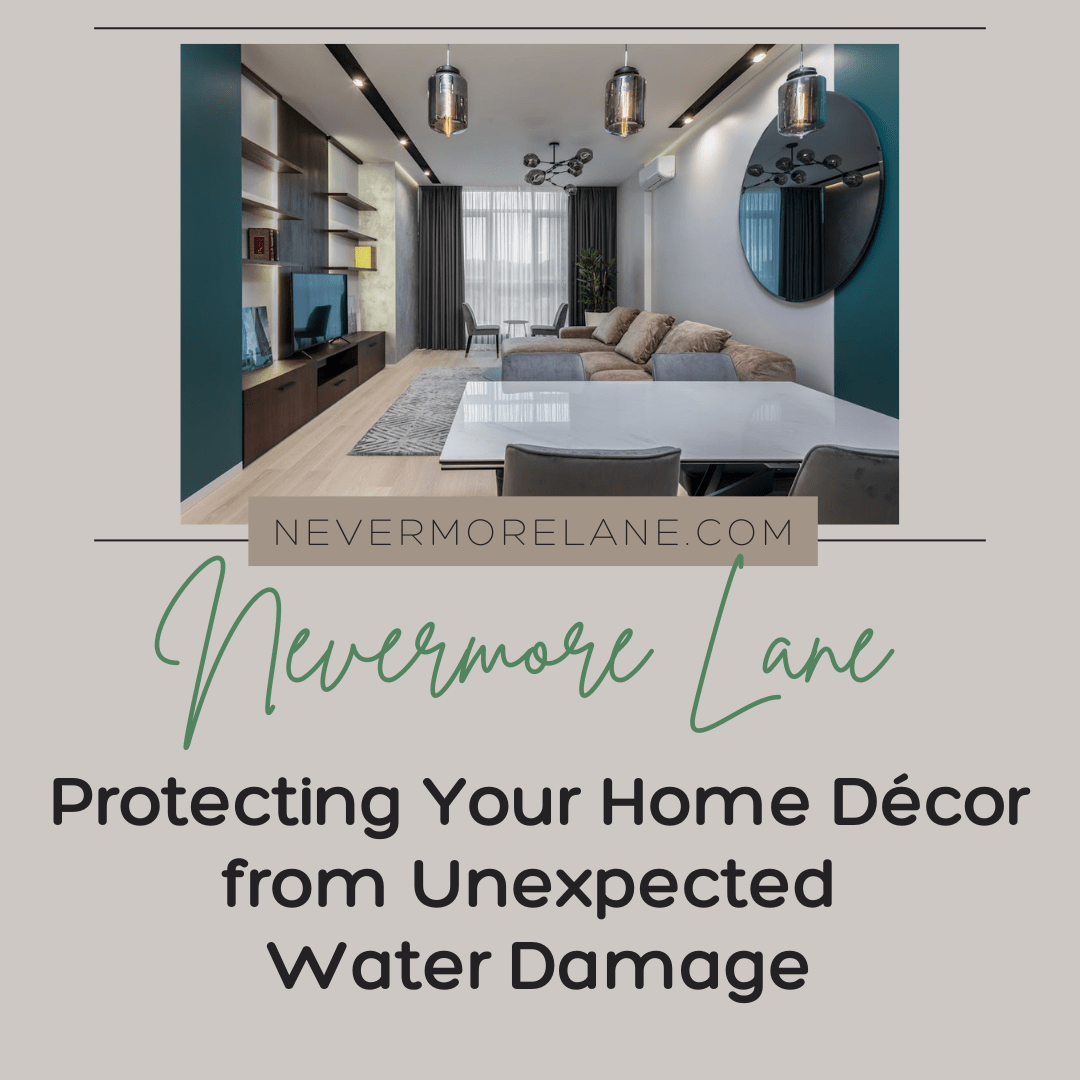
Most homeowners put a lot of thought into their interior décor. Carefully chosen furniture, custom upholstery, statement rugs, and framed artwork all contribute to a home that feels both stylish and personal. These pieces often represent years of investment and careful planning. When everything comes together, the result is a space that feels comfortable, functional, and visually balanced.
However, even the most thoughtfully designed home can be vulnerable to unexpected problems. Water damage is one of the most common issues homeowners face, and it can quickly undermine both the structure of the house and the beauty of its interior design. Hardwood floors may warp, paint can bubble, and fabrics may absorb moisture, leading to staining or mildew. What begins as a small leak can quietly spread behind walls or beneath flooring.
The Hidden Culprits: Slow Leaks Behind Walls and Under Floors
Some of the most damaging water problems start where homeowners cannot easily see them. Small plumbing leaks behind drywall, under sinks, or beneath flooring may release only a few drops at a time. Over weeks or months, that moisture slowly seeps into insulation, framing, and subfloor materials. Because the process is gradual, many homeowners do not realize anything is wrong until the damage reaches the surface.
Common warning signs include a musty smell that lingers in certain rooms, subtle discoloration along baseboards, or paint that begins to bubble near plumbing fixtures. Soft spots in the flooring can also indicate moisture building underneath. When a leak has been active for some time, drying the area properly becomes essential to prevent further structural damage and protect surrounding décor. If moisture has already spread through walls or flooring, there are many professional water damage restoration service providers who can help eliminate hidden moisture and protect nearby design features before the issue worsens.
Protecting Textiles: How Moisture Affects Rugs, Curtains, and Upholstery
Textiles are particularly sensitive to water exposure. Rugs, curtains, and upholstered furniture absorb moisture quickly, especially when they are made from natural fibers like cotton, wool, or linen. Once damp, these materials can develop stains, odors, or mildew that becomes difficult to remove.
Prevention often comes down to awareness and simple maintenance habits. Check window seals regularly, avoid placing delicate fabrics near areas prone to leaks, and use quality rug pads that allow airflow beneath area rugs. These small steps can help protect decorative fabrics and extend the life of valuable furnishings.
Woodwork and Furniture: Preventing Warping and Mold in Heirloom Pieces
Wood furniture and decorative trim add warmth and character to interior spaces, but they also respond quickly to changes in moisture. When wood absorbs water, the fibers expand and weaken. This can cause drawers to stick, joints to loosen, and surfaces to warp over time.
Heirloom furniture and antique pieces require even more attention. Older finishes and adhesives may break down faster when exposed to moisture or humidity. Maintaining stable indoor humidity levels, cleaning spills immediately, and keeping wooden pieces away from potential leak sources can help preserve these meaningful items for years to come.
The Impact of Humidity and Poor Ventilation on Wall Décor and Art
Indoor humidity can quietly affect many decorative elements throughout a home. When moisture levels remain high, framed art, wallpaper, and decorative wall panels can begin to show subtle damage. Adhesives weaken, frames may warp, and paper-based artwork can ripple or stain. Even paint finishes can lose their smooth appearance when moisture lingers in the air.
Improving airflow is one of the simplest ways to protect wall décor. Use bathroom and kitchen exhaust fans consistently, especially after cooking or showering. In rooms that feel damp, a dehumidifier can help maintain stable humidity levels. These small adjustments protect artwork and decorative finishes while helping the home feel more comfortable overall.
Smart Home Technology: Using Leak Detectors to Save Your Interior Design
Technology now offers simple tools that help homeowners detect water problems before damage spreads. Smart leak detectors are small sensors that monitor areas prone to leaks, such as under sinks, near washing machines, or around water heaters. When moisture appears, the device sends an alert to a smartphone so homeowners can respond quickly.
These systems work best when placed in several high-risk locations throughout the home. Some advanced models also track temperature and humidity, which can help identify conditions that lead to moisture buildup. By catching leaks early, homeowners can protect flooring, furniture, and decorative features that might otherwise suffer long-term damage.
Emergency Response: What to Do in the First 60 Minutes of a Leak
When a leak occurs, the first hour is critical. Acting quickly can prevent moisture from spreading into nearby décor and structural materials. Start by shutting off the water supply if possible. Then remove standing water using towels, mops, or a wet vacuum to slow absorption.
Next, move nearby furniture, rugs, and decorative items away from the wet area. This prevents fabrics and wood finishes from soaking up moisture. Increasing airflow also helps. Turn on fans, open windows if the weather allows, and use a dehumidifier to begin drying the space while you assess the next steps.
Professional Recovery: When DIY Isn’t Enough for Delicate Restorations
Some water issues require more than basic drying. If moisture has reached subfloors, drywall, or valuable furniture, professional help becomes important. Restoration specialists use moisture meters, industrial air movers, and controlled-drying systems to remove water trapped within building materials.
This level of care is particularly helpful for homes with hardwood floors, custom cabinetry, or antique furniture. Professionals understand how to dry materials without causing further damage. Their work helps prevent mold growth while preserving decorative features that homeowners have spent years building into their living spaces.
Keeping Your Home Décor Safe From Water Damage
Protecting interior décor from water damage requires awareness and quick action. Hidden leaks, excess humidity, and small plumbing issues can all affect textiles, wood furniture, and wall décor. Paying attention to early warning signs and maintaining proper ventilation helps reduce many common risks.
Simple steps such as installing leak detectors, regularly inspecting plumbing, and responding quickly to water problems make a meaningful difference. When homeowners combine preventive care with timely professional support, they protect both the home’s structure and the thoughtful design choices that make the space feel complete.