Paella Recipe: Authentic Spanish Flavours Made Simple
Traditional Paella Ingredients
Traditional paella relies on specific proteins, vegetables, rice and spices that define its flavour and texture. When you choose the right ingredients and treat them correctly, you create the balanced, savoury base that makes this Spanish rice dish distinctive.
Essential Proteins
You can tailor paella to your preference, but traditional versions follow clear patterns.
Paella Valenciana, often regarded as the original, typically includes:
- Chicken
- Rabbit
- Sometimes pork ribs
These meats add depth and richness as they brown in olive oil and release flavour into the rice.
Seafood paella focuses on ingredients such as:
- Prawns
- Mussels
- Clams
- Squid
You add seafood in stages. Cook firmer items like squid earlier, then add prawns and shellfish later to prevent overcooking.
Some mixed versions include chorizo, although this is not traditional in Valencia. If you use it, treat it as a flavour addition rather than the main protein. Always brown proteins first to build a strong base.
Classic Vegetables
Traditional paella uses a restrained selection of vegetables. In Valencian-style paella, you commonly use:
- Flat green beans
- Butter beans (such as garrofó)
- Tomato
You sauté the beans early so they soften and absorb flavour. Grated or finely chopped tomato cooks down to form part of the sofrito, which forms the foundation of the dish.
Garlic often appears in small amounts, supporting rather than dominating. Some regional versions include red capsicum strips, particularly in seafood paella.
Avoid overloading the pan with vegetables. Too many ingredients release excess moisture and interfere with proper rice texture. Keep the focus on balance between protein, rice and a modest amount of vegetables.
Rice Varieties
Rice choice determines texture. You should use a short- to medium-grain Spanish variety that absorbs liquid well while holding its shape.
Bomba rice remains the most prized option. It absorbs more liquid than standard rice without turning mushy, which helps you achieve separate, tender grains.
If bomba is unavailable, you can use:
- Calasparra rice
- Other short-grain rice varieties
Avoid long-grain rice. It does not absorb stock in the same way and produces a drier, less cohesive result.
You should not stir the rice continuously once you distribute it in the pan. Leave it undisturbed so it cooks evenly and forms the characteristic socarrat, the thin layer of caramelised rice at the base.
Authentic Spices
Saffron defines paella’s aroma and colour. You need only a small pinch of high-quality threads, lightly toasted and infused in warm stock before adding to the pan.
Paprika, often sweet or mildly smoked, supports the savoury base. Add it briefly to hot oil after browning the meat, but avoid burning it as it turns bitter quickly.
Salt remains essential, especially when using fresh seafood and homemade stock. Adjust it gradually as the rice absorbs liquid.
Olive oil is not a spice, but it plays a critical role in flavour. Use a good-quality extra virgin olive oil to sauté the ingredients and carry the aromatics through the dish.
Step-By-Step Paella Cooking Instructions
You build flavour in layers, control heat carefully, and resist the urge to stir once the rice cooks. Focus on precise preparation, steady simmering, and proper resting to achieve tender grains and a defined socarrat.
Preparation and Mise en Place
Organise every ingredient before you turn on the heat. Paella moves quickly once you start cooking.
Measure your short-grain rice (such as bomba or arborio), warm your stock, and steep a pinch of saffron threads in a few tablespoons of hot stock for at least 5 minutes. This releases colour and aroma evenly.
Chop onion finely, dice capsicum, mince garlic, and grate ripe tomatoes if using fresh. Slice chorizo, trim chicken into even pieces, and scrub seafood such as mussels or pipis thoroughly. Pat prawns dry so they sear instead of steam.
Set up your equipment:
- Wide, shallow pan (30–40 cm)
- Wooden spoon
- Ladle
- Foil or clean tea towel for resting
Bring proteins to room temperature for 15–20 minutes. Cold meat lowers the pan temperature and affects browning.
Keep everything within reach. Once the rice goes in, timing matters.
Building the Sofrito
Heat olive oil over medium heat in your paella pan. The oil should shimmer but not smoke.
Brown chicken pieces first, skin-side down if applicable, until golden. Remove and set aside. Add chorizo and cook briefly to release its oils, then remove if you want to prevent overcooking.
Lower the heat slightly and add onion with a pinch of salt. Cook slowly for 5–8 minutes until soft and translucent, not browned. Stir in garlic and capsicum and cook until fragrant.
Add grated tomato and cook until the mixture thickens and the oil begins to separate slightly. This concentrated base, known as sofrito, provides depth and sweetness.
Return browned meats to the pan. Stir in smoked paprika and the infused saffron liquid. Cook briefly to bloom the spices without burning them.
The mixture should look cohesive and glossy before you add rice.
Cooking the Rice
Sprinkle the rice evenly across the pan. Stir once to coat the grains in the sofrito and oil.
Add hot stock in a measured ratio, typically 1 part rice to 2.5–3 parts liquid, depending on the variety. Spread the rice evenly with your spoon so it forms a level layer.
From this point, avoid stirring. Stirring releases starch and creates a creamy texture, which is not traditional for paella.
Bring the liquid to a steady simmer, then reduce to medium-low. Cook uncovered for about 10 minutes. Arrange seafood such as prawns, mussels, or squid on top during the second half of cooking so they cook gently in the steam.
Rotate the pan occasionally if your heat source cooks unevenly. The rice should absorb most of the liquid in 18–20 minutes.
In the final minutes, increase heat slightly for 30–60 seconds to encourage socarrat, the thin caramelised layer at the base. You may hear gentle crackling.
Finishing and Resting
Remove the pan from heat once the rice is tender but still slightly firm in the centre. The surface should look mostly dry.
Cover loosely with foil or a clean tea towel. Let the paella rest for 5–10 minutes. This allows the rice to finish steaming and the flavours to settle.
Do not stir before serving. Paella is meant to show distinct grains and arranged toppings.
Garnish with lemon wedges and chopped flat-leaf parsley if desired. Serve directly from the pan so each portion includes both tender rice and, if formed, a small piece of socarrat from the bottom.
Types of Paella
You can prepare paella in several recognised styles, each defined by its key proteins and regional roots. The most established versions focus on land-based meats, seafood, or a combination of both, while keeping short‑grain rice and saffron at the centre.
Paella Valenciana
Paella Valenciana is the original form from the Valencia region. You make it with short‑grain rice, typically bomba or a similar variety, cooked with chicken, rabbit, and a base of tomato, garlic and olive oil.
Traditional recipes include green beans and butter beans, and often season the stock with saffron and rosemary. Some versions also use snails, depending on local practice.
You should avoid adding seafood to this style. Authentic Valencian paella keeps flavours focused on land ingredients and relies on a well‑balanced stock rather than heavy spices.
Cook the rice in a wide, shallow pan so liquid evaporates evenly. Aim for a dry finish and develop a light socarrat, the thin toasted layer of rice at the base.
Seafood Paella
Seafood paella, or Paella de Marisco, features fish and shellfish instead of meat. Coastal regions in Spain popularised this version, using what was fresh and available.
You typically include:
- Prawns or scampi
- Mussels and clams
- Calamari or squid
- Firm white fish in pieces
Build flavour with a seafood stock, saffron and paprika. Many cooks add tomato for depth and sweetness.
Do not mix chicken or rabbit into this variation. Keep the profile clean and focused on the sea. Arrange shellfish on top of the rice during the final stage of cooking so they steam gently and stay tender.
Maintain even heat and avoid stirring once you spread the rice. This helps you achieve proper texture and encourages a crisp base.
Mixed Paella
Mixed paella combines meat and seafood in one pan. You might use chicken and prawns, or include mussels alongside rabbit, depending on preference.
Balance matters. Use a stock that supports both proteins without overpowering them, often a light chicken base enriched with seafood elements.
Add the meat first to brown and build flavour. Introduce seafood later in the cooking process so it does not overcook.
Keep the ingredient list controlled. Too many additions dilute flavour and disrupt cooking times. When you manage timing carefully and distribute ingredients evenly, you achieve distinct textures with properly cooked rice and a defined socarrat.
Serving and Presentation Ideas
Serve paella directly from the pan to preserve texture and create a traditional look. Use simple garnishes and balanced sides to highlight the rice, seafood, or meat without overwhelming the dish.
Garnishes
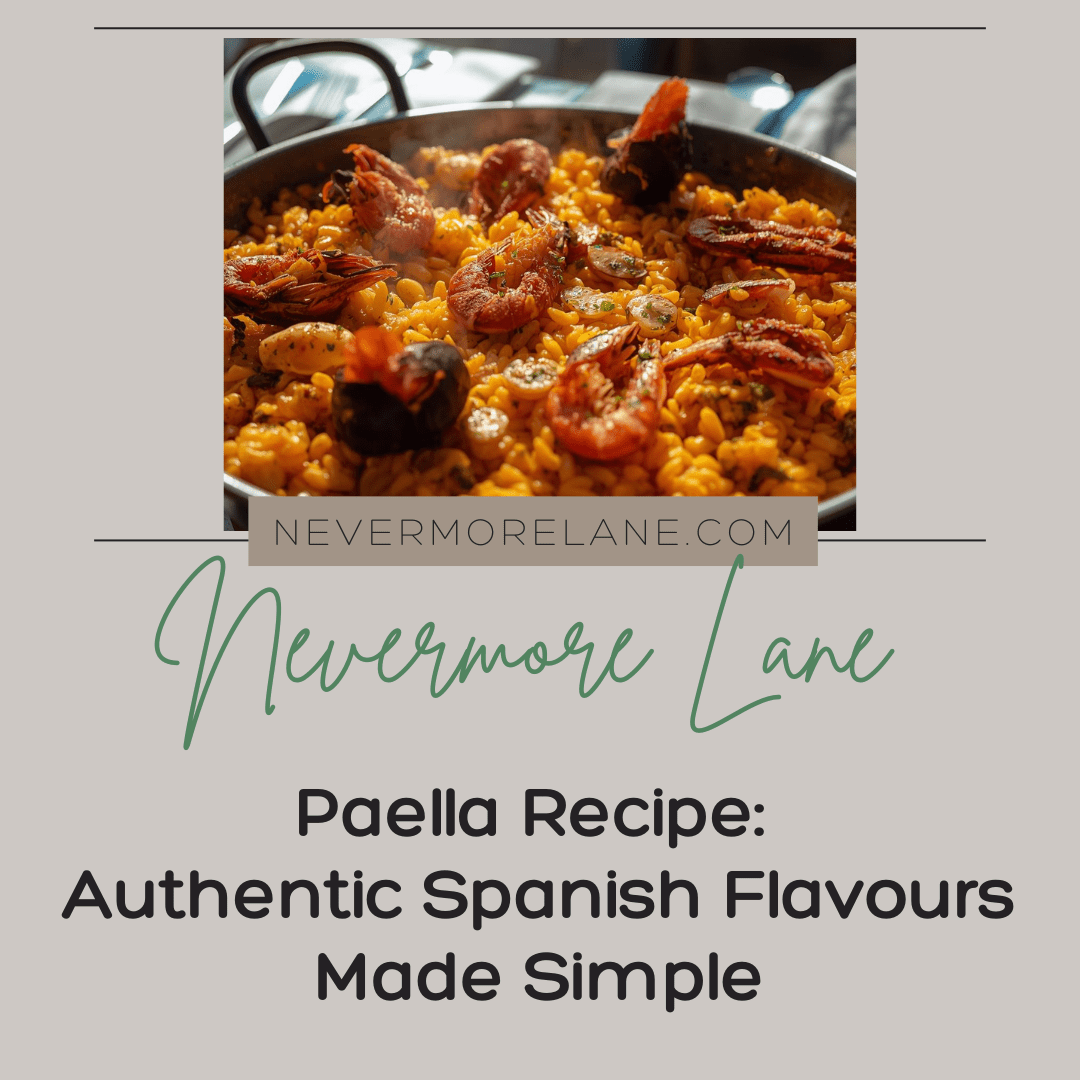
Bring the pan straight to the table and let guests serve themselves. This keeps the rice warm and protects the socarrat, the crisp layer at the base that adds texture and flavour.
Add lemon wedges around the edge of the pan. A squeeze of fresh juice lifts the saffron rice and cuts through rich ingredients like chorizo or shellfish.
Sprinkle finely chopped flat-leaf parsley just before serving. It adds colour and a clean finish without masking the core flavours.
For seafood paella, arrange prawns, mussels, or pipis neatly on top during the final minutes of cooking. Keep shells facing upward for a tidy, structured look.
Avoid heavy toppings. A light scatter of microgreens or a few edible flowers can add colour for formal dining, but keep the focus on the rice and protein.
Accompaniments
Pair paella with sides that refresh the palate rather than compete with it. A simple green salad with cos lettuce, tomato, and a sherry vinaigrette works well.
Serve crusty bread to mop up juices from the pan. Choose a plain sourdough or baguette without strong flavours.
Offer a small dish of allioli on the side. Guests can add a spoonful to their portion for extra richness without altering the whole pan.
For drinks, pour a dry Spanish white wine such as Albariño, or a light red like Tempranillo. Sparkling water with lemon also balances the dish, especially at lunch gatherings.
Corporate Catering
You can adapt a traditional paella recipe to suit corporate catering with minimal changes. The core elements, rice, saffron, quality stock, and fresh ingredients, remain the same, but you scale the quantities and streamline the service.
Live cooking works well for business events. When you prepare paella on site, guests can see the rice absorb the stock and watch the proteins cook evenly in the pan. This approach encourages interaction without disrupting the professional tone of the event.
Serve paella directly from wide, shallow pans to maintain heat and presentation. Pair it with simple sides such as green salad, crusty bread, and lemon wedges to keep the focus on the rice.
When you plan quantities, allow approximately 250–300 grams of cooked rice per person. This ensures consistent portions and efficient service across corporate settings.