How to Know If a Custom Patio Is the Right Upgrade for Your Home Layout
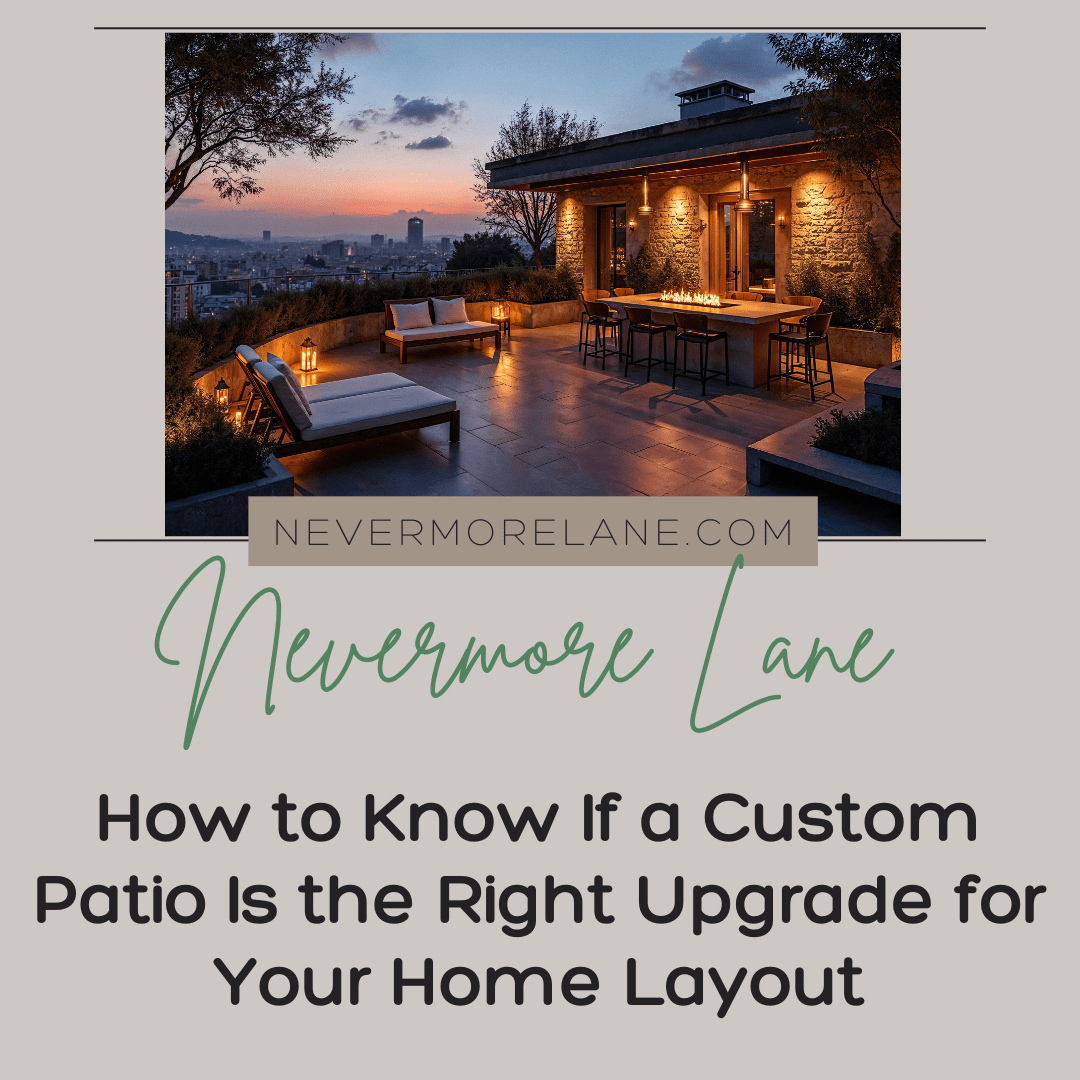
Outdoor spaces start to feel different over time, especially when daily routines change. A yard that once felt fine may begin to feel unused, awkward, or disconnected from the rest of the home, while indoor areas start carrying more activity than they should.
These small shifts rarely feel urgent, but they quietly raise questions about comfort, flow, and whether the home still supports everyday living the way it once did. Not every upgrade solves these concerns, and some changes create new frustrations instead of ease.
Also, layout, climate, and how space is used across different regions in Australia influence how any outdoor improvement feels long after installation. This article explores clear signs, layout challenges, and planning points that help homeowners make confident decisions without pressure or guesswork.
Understanding Your Existing Home Layout
Every home has a unique structure and flow. Outdoor upgrades should follow that structure. Yard size influences movement and furniture placement. Shape matters just as much as total area. A narrow yard limits design choices. Sloped ground affects stability and drainage. Fixed elements also shape decisions. Doors, windows, and pathways guide movement.
Indoor to outdoor flow is equally important. Poor access reduces daily use. A patio should feel like an extension. If access feels awkward, usage drops. Taking time to observe movement helps. Notice where people walk naturally. Look at how doors open. These details reveal readiness for change.
Why Talking to Local Patio Experts Helps
Many homeowners rely on online images when planning outdoor upgrades. Those images rarely reflect real yard conditions. Layout limits can be easy to miss without trained eyes. Drainage, slope, and access points change everything. Local patio experts understand how homes are built in the area. They see patterns that individuals usually overlook. An on-site review brings clarity early. This step helps avoid design choices that look good online but fail in real use.
This is where experienced local teams make a difference. For example, Aussie Patio Designs works closely with homeowners to assess layout details before planning begins. Their approach focuses on space flow, structure placement, and long-term usability. Instead of guessing, people get practical guidance based on real conditions. This makes decisions feel clearer and more confident. It also reduces costly changes later.
Check the Signs Your Home Needs a Patio
Some signs appear gradually over time. Unused yard space is one common signal. People may avoid going outside entirely. Indoor areas feel crowded during visits. Hosting feels limited by the weather. Furniture stays stored most of the year. These moments suggest missing functionality.
Other signs relate to daily comfort. Shade may be lacking during warm months. Rain can disrupt outdoor plans. Storage space may feel limited indoors. A well-planned patio can help. It creates usable space without expanding walls. Recognizing these signals helps guide the decision calmly.
How Your Lifestyle Shapes Patio Choices
Lifestyle should guide every design decision. Families often need flexible open areas. Entertainers value seating and flow. Quiet households may prefer privacy and shade. Each routine changes the layout needs. A design that suits one family may not suit another.
Before deciding, consider daily habits:
- How often outdoor space get used
- Whether gatherings happen regularly
- Need for shade or cover
- Desire for quiet relaxation
These factors shape real value. A patio should support routines. Visual appeal alone is not enough.
Layout Challenges You Should Know About
Some homes face natural layout limits. Sloped yards require extra planning. Narrow spaces restrict furniture placement. Boundaries can limit structure size. Existing trees may affect placement. Drainage issues also matter.
These challenges do not block upgrades completely. They require thoughtful solutions instead. Custom planning adapts to constraints. Standard designs may not fit well. A tailored approach respects the space. Understanding challenges early prevents frustration later. Realistic expectations lead to better outcomes.
Things to Think About First
Planning prevents regret after installation. Sun direction affects comfort. Too much exposure reduces usability. Shade planning improves long-term use. Privacy also matters for relaxation. Neighbor views may influence placement. Drainage planning protects structures over time.
It also helps to think ahead:
- Seasonal weather patterns
- Future family needs
- Maintenance comfort level
- Long-term usage goals
These considerations shape satisfaction. Thoughtful planning supports better daily enjoyment.
Designing Outdoor Spaces Matching Real Life
Outdoor upgrades should improve daily life. The right choice depends on fit and flow. Layout influences comfort more than trends. Lifestyle habits guide real value. Recognizing signs helps avoid rushed decisions. Understanding challenges prevents disappointment. Expert insight brings clarity early. With careful evaluation, homeowners can choose confidently. The result feels natural and useful. This approach supports long-term comfort and enjoyment.