How To Feel More Secure In Your Own Home
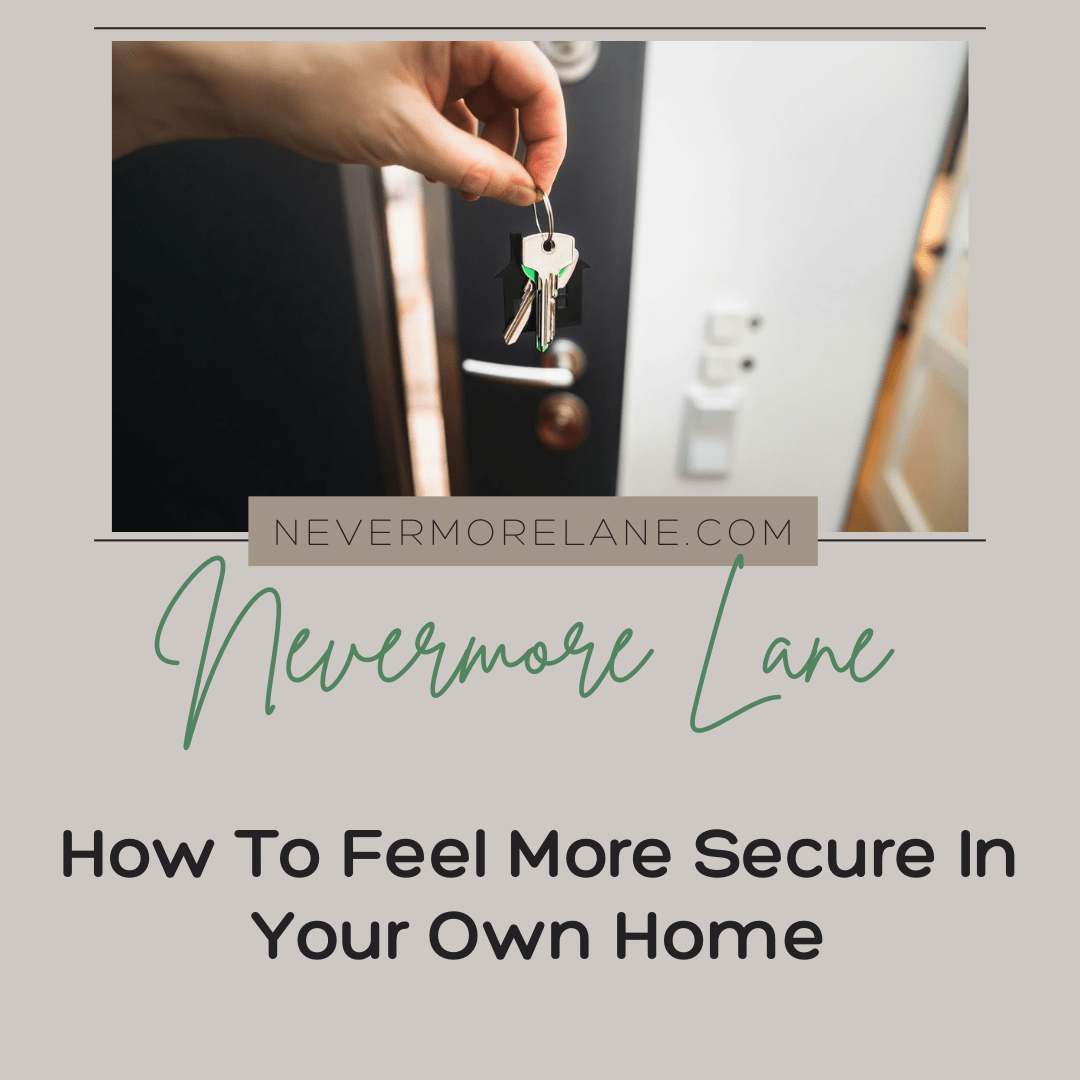
Feeling secure in your own home is something every homeowner wants, but not all of us can live in gated communities with personal security guards available 24/7.
Whether you live in a relatively safe area or there are increasing rates of crime present, it’s important to do everything you can to help secure your home from any harm. Whether that’s with motion-activated outdoor lighting to burglar alarms and security systems, here are a few ways on how you can feel more secure in your home
Reinforce Doors and Locks
Doors and locks are vulnerable to your home if they’re not reinforced or the locks themselves aren’t in good condition.
Installing solid-core doors with deadbolts is a good way of making sure that your doors are as strong as they can be and that they’re not going to be compromised so easily. You should consider adding a peephole or a door chain for additional security, especially if you live in an area where suspicious activity can happen occasionally.
Be Wary of Your Windows
It’s a good idea to ensure all windows have key-operated locks. These keys should also ideally be kept out of the window lock itself and stored somewhere out of sight.
When you’re leaving windows open, you ideally don’t want to leave them open when you’re out of the house, and you certainly want to close your windows before falling asleep. Even if you’re on a second or third floor, leaving windows open can make you a vulnerable target to anyone looking to cause you ill harm.
Install Automatic Lighting
Automatic lighting is a great use of showing occupancy in your home when you’re out or away, as well as being a deterrent when used outside of the home.
Install automatic, motion-sensor security lighting around the perimeter of the home. This is a helpful way of deterring any intruders who might be scouting out your home as a possible target. You’ll also find it beneficial to have lights on timers that switch on when you’re out of the house at certain times.
Secure the Perimeter
Securing the perimeter is a good way of making sure that your home is protected and that you’re doing everything externally to prevent any dangers.
For example, using gravel or loud textures on paths and driveways helps create a lot of noise. Lock gates to any rear gardens and be sure to secure sheds or outdoor storage spaces that contain valuables of any kind.
Alarms and Cameras are the Bare Minimum
The use of alarms and security cameras is very much the bare minimum of security. Installing visible, working alarm systems will help to deter potential burglars, too. CCTV is a lot more advanced than it’s ever been, so it’s good to make use of the advancements in technology to ensure your home is being monitored.
Building Sustainable Security and Peace
Creating Safety That Supports Daily Life
Home security works long-term when measures integrate seamlessly into daily routines rather than creating burdensome protocols that eventually get abandoned through inconvenience. Smart locks eliminate fumbling with keys while still securing doors. Motion-sensor lights provide visibility without remembering to flip switches. Simple alarm systems offer protection without complicated arming sequences that get skipped when rushing out. The security that actually protects is security that gets used consistently rather than elaborate systems that good intentions cannot maintain.
Sustainable home security requires balancing reasonable precautions with acceptance that absolute safety doesn’t exist and that anxiety-driven escalation into fortress mentality creates its own problems. Basic measures like quality locks, exterior lighting, and awareness of surroundings provide legitimate protection without paranoia that sees every stranger as threat or requires security theater that inconveniences more than protects. The goal is reasonable security supporting peace of mind rather than hypervigilance that makes home feel like prison requiring constant monitoring and defensive postures that stress creates.
Feeling secure at home ultimately comes from addressing genuine vulnerabilities through sensible affordable measures while also examining whether anxiety itself needs attention beyond what additional locks can resolve. Upgrade weak entry points, add lighting to dark areas, consider alarm systems if they provide genuine peace rather than just feeling obligated. But also recognize when security concerns reflect broader anxiety deserving mental health support rather than endless security escalation that never quite eliminates the feeling of unsafety that practical measures alone cannot fully address. Build security serving genuine protection and peace rather than feeding anxiety that grows regardless of how many cameras and locks get added.
With these tips, you’re likely to find that your home feels more secure when you’ve got all of the above implemented into your home’s security.