How to Create a Home That Matches Your Lifestyle and Future Needs
Creating a home is one of the biggest investments you will ever make. It is more than choosing walls, floors, and furniture. A well-designed home should fit your daily routine, support your goals, and remain comfortable as your needs change over time. Whether you are building a new house or planning a major renovation, careful planning can help you create a space that is practical, attractive, and ready for the future.
Understand Your Lifestyle Before You Build
The first step in creating the right home is understanding how you live. Think about your daily activities, work schedule, hobbies, and family needs. If you work from home, you may need a quiet office. If you enjoy cooking, a large and functional kitchen may be a priority. Families with children may want open living spaces and extra storage.
Planning your home around your lifestyle helps you avoid unnecessary features while making sure every room has a purpose. A home that reflects your daily habits will be more enjoyable and efficient to live in.
Work with a Residential Architect for a Personalized Design
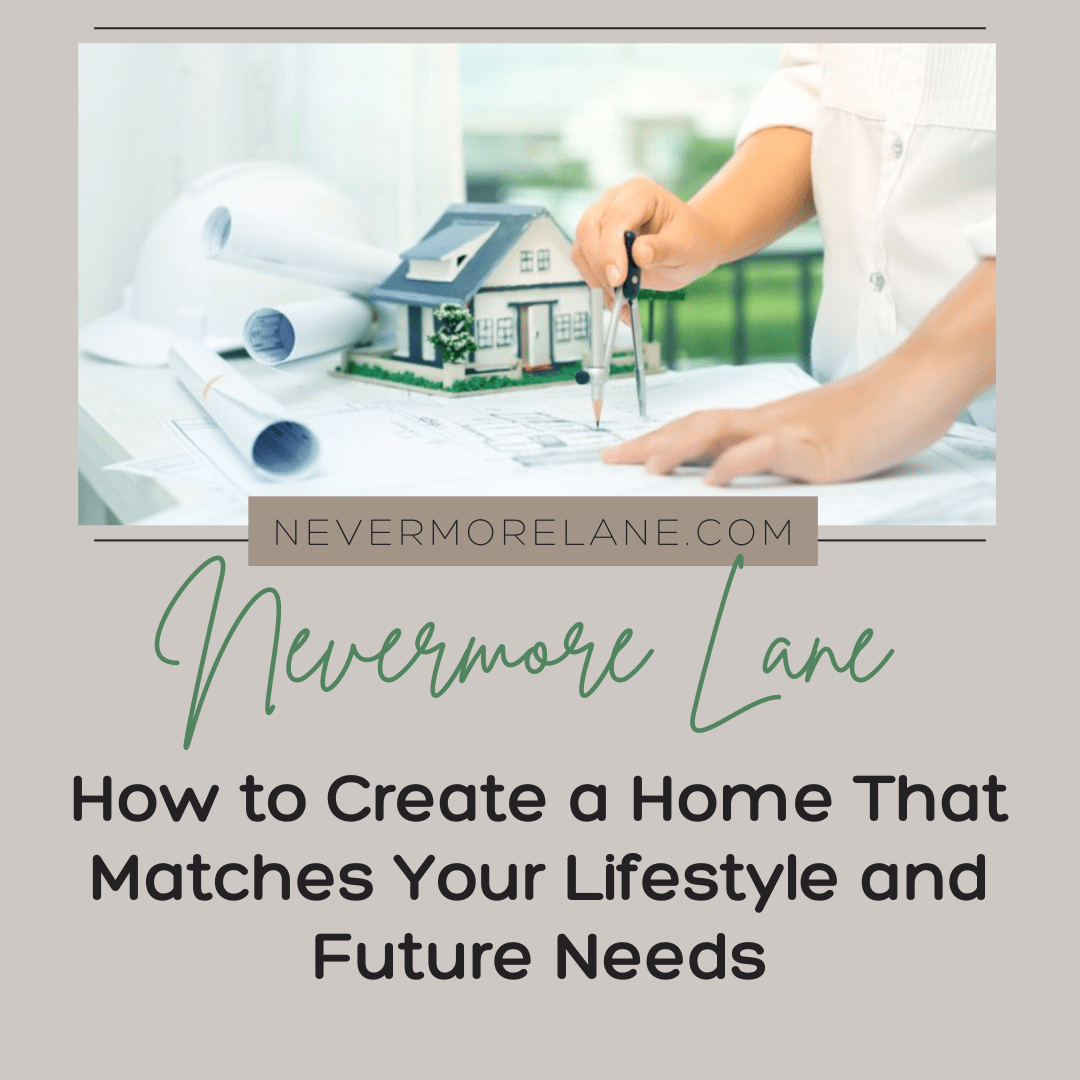
Hiring a residential architect can make a significant difference when designing your home. A residential architect listens to your ideas and turns them into a practical design that suits your land, budget, and future plans.
They consider factors such as room layout, natural lighting, ventilation, and energy efficiency. Instead of using a standard floor plan, they create a home that matches your personal preferences. Their professional guidance also helps prevent costly design mistakes and ensures your home is both functional and visually appealing.
Plan Flexible Spaces for the Future
Your needs today may not be the same in the future. That is why flexible spaces are an important part of home design. A guest room can later become a home office, a nursery, or a hobby room. A finished basement or extra room can also provide additional living space as your family grows.
Planning for future changes saves money because you will not need major renovations later. A flexible home can easily adapt to different stages of life while continuing to meet your needs.
Focus on Comfort and Energy Efficiency
Comfort should always be a priority when designing a home. Good insulation, quality windows, proper ventilation, and efficient heating and cooling systems create a pleasant indoor environment throughout the year.
Energy-efficient features also reduce monthly utility bills and help protect the environment. Natural lighting, smart home technology, and energy-saving appliances make everyday living more convenient while lowering long-term operating costs.
Choose Quality Materials That Last
Building a home with durable materials is a smart investment. High-quality flooring, roofing, windows, and exterior finishes often require less maintenance and last much longer than cheaper alternatives.
Although quality materials may cost more at the beginning, they usually save money over time by reducing repair and replacement expenses. Choosing timeless designs instead of following short-term trends also helps your home remain attractive for many years.
Design Outdoor Areas That Fit Your Lifestyle
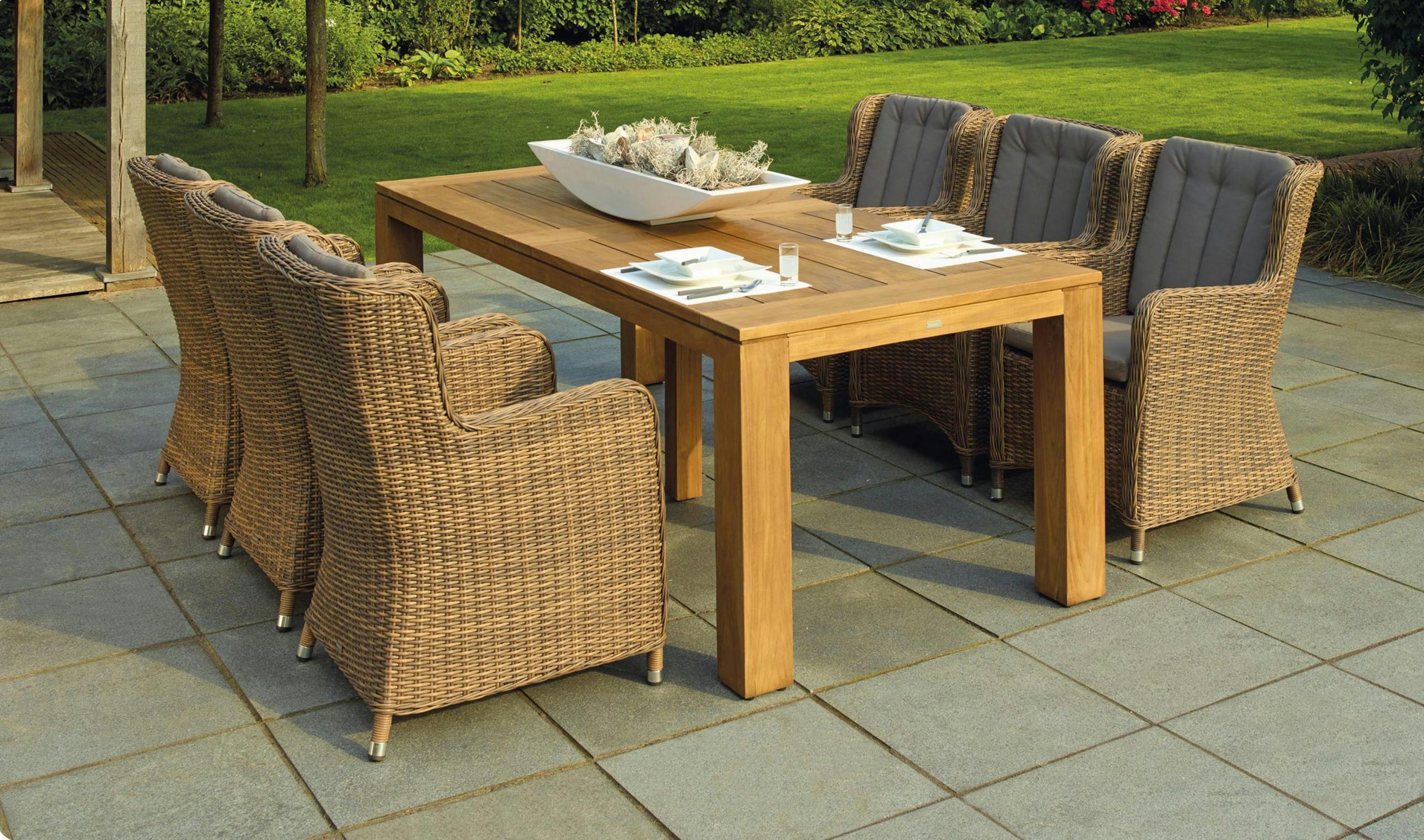
Outdoor spaces can become an extension of your home. Whether you enjoy gardening, entertaining guests, or relaxing with your family, your outdoor area should match your lifestyle.
Adding a patio, deck, outdoor kitchen, or comfortable seating area increases the usefulness of your property. Well-planned landscaping also improves curb appeal while creating a welcoming and enjoyable environment for everyone.
Your Home Should Match Your Lifestyle
Creating a home that matches your lifestyle and future needs requires careful planning and thoughtful decisions. By understanding your daily routine, working with a residential architect, designing flexible spaces, focusing on comfort and energy efficiency, selecting durable materials, and making the most of outdoor areas, you can build a home that serves you well for many years. A home designed with both present and future needs in mind provides greater comfort, lasting value, and a better quality of life.