How to Choose Non-Toxic Paints for a Healthier Living Space
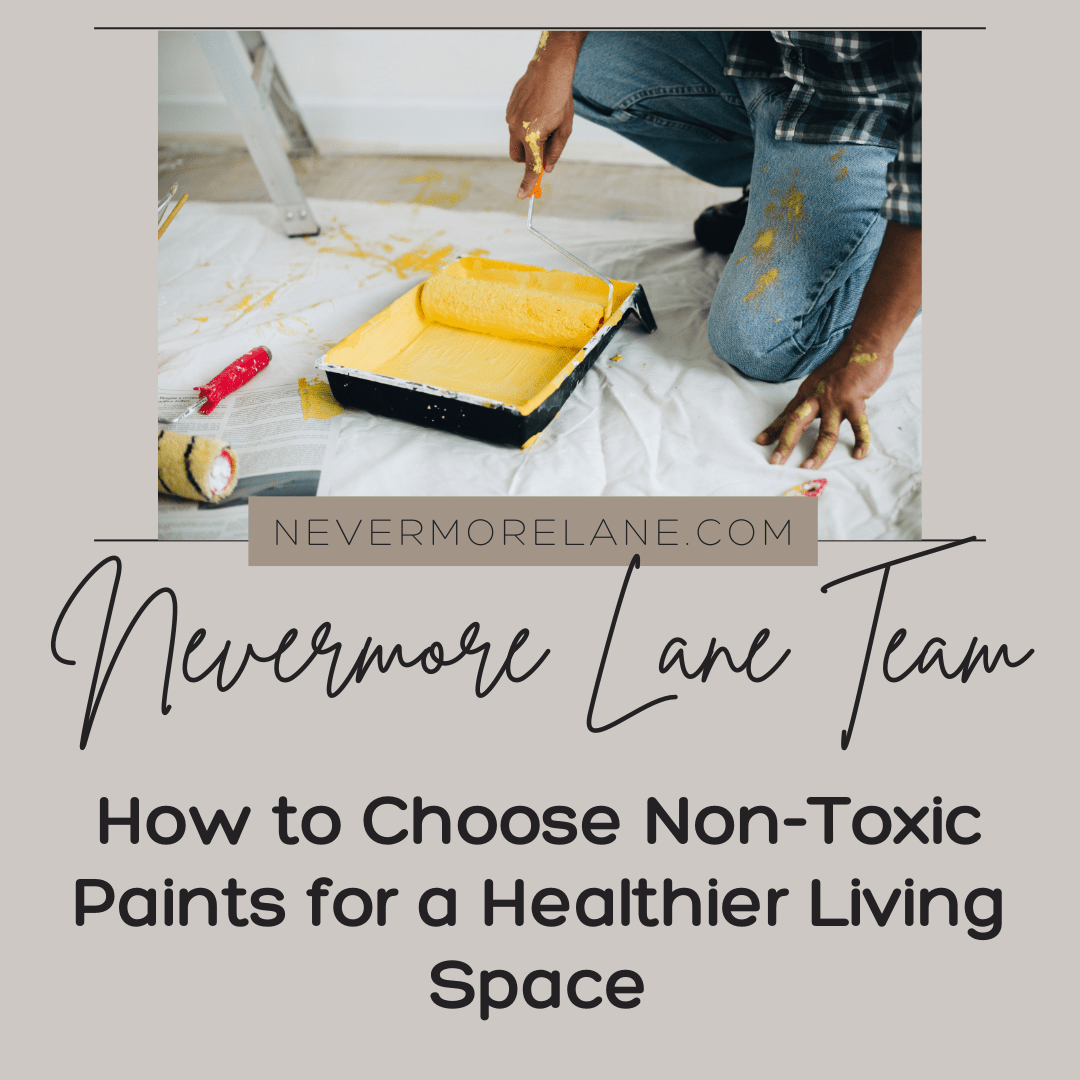
The fresh paint smell filling the newly painted bedroom seemed normal until the headaches started. Three days later, the dizziness continues and sleep becomes impossible despite exhaustion. The “new paint smell” that culture romanticizes as progress actually signals volatile organic compounds off-gassing into the air everyone breathes. These chemicals continue releasing for weeks or months after the paint dries. Meanwhile, families sleep in rooms saturated with toxins they cannot see or fully smell once the initial odor fades.
Conventional paints contain VOCs that contribute to respiratory issues, headaches, dizziness, and long-term health concerns. The indoor air quality degrades significantly during and after painting. Children and pets face higher risks due to developing systems and proximity to floors and walls. The assumption that all paint carries these risks keeps people accepting toxins as an inevitable price of home improvement. Yet non-toxic alternatives exist that perform just as well without the health compromises.
Choosing non-toxic paints requires understanding which certifications actually mean something versus which represent greenwashing. The labels get confusing intentionally. “Low-VOC” doesn’t mean zero-VOC. “Natural” doesn’t guarantee safety. The marketing exploits consumer desire for healthier options without delivering genuine solutions. Learning to identify truly non-toxic paints protects families from unnecessary chemical exposures. The knowledge transforms overwhelming choices into clear decisions that prioritize health without sacrificing quality or aesthetics.
Beyond the Chemical Fog
Walk into any hardware store, and you’ll face thousands of paint options. Most homeowners grab whatever’s on sale or matches their color scheme, completely unaware they’re introducing a cocktail of chemicals into their living space. Traditional paints contain solvents that evaporate as the paint dries, releasing gases into your home’s atmosphere. These aren’t just unpleasant odors, кстати, they’re actual toxins that your body absorbs with every breath.
The Environmental Protection Agency identifies VOCs as compounds that vaporize at room temperature and react with other elements to create ground-level ozone. Inside your home, concentrations of these compounds can reach levels ten times higher than outside. Children are particularly vulnerable because their respiratory systems are still developing and they breathe more rapidly than adults. Pregnant women face additional risks, as certain VOCs can cross the placental barrier. Even pets suffer from prolonged exposure, developing symptoms ranging from lethargy to more serious health complications.
What makes this especially troubling is the duration of exposure. While that fresh paint smell might dissipate after a few days, VOCs continue off-gassing for months. Your bedroom becomes a chamber where you spend eight hours nightly inhaling these compounds. Living rooms where children play on floors close to freshly painted walls present another concern. The cumulative effect builds over time, potentially contributing to asthma, allergies, and other chronic conditions.
Decoding the Label Labyrinth
Shopping for non toxic interior paint requires understanding what manufacturers actually mean by their marketing terms. The paint industry loves buzzwords like “green,” “natural,” and “eco-friendly,” but these labels don’t guarantee safety. You need to look beyond marketing speak and examine actual VOC content measured in grams per liter. Zero-VOC paints contain fewer than 5 grams per liter, while low-VOC options range from 5 to 50 grams per liter. For context, traditional paints can contain 200 to 300 grams per liter.
Certifications matter immensely here. Green Seal and Greenguard are third-party organizations that test products and verify manufacturers’ claims. Green Seal’s GS-11 standard ensures paints meet strict criteria for VOC content and prohibits certain toxic chemicals entirely. Greenguard Gold certification, что особенно важно, tests for over 10,000 chemicals and requires products to meet California’s stringent air quality standards. When professionals specializing in services like House Painting in Los Angeles, or your local city, recommend these certified products, they’re drawing on experience with real-world performance and health outcomes.
The ingredient list reveals what certifications don’t always show. Quality low VOC paint for home use avoids formaldehyde, heavy metals like lead and mercury, and phthalates. Some manufacturers add antimicrobial agents or preservatives that technically fall outside VOC measurements but still pose health risks. Natural paint alternatives use ingredients like plant oils, clay, milk protein, or natural latex from rubber trees. These materials come with their own considerations regarding durability and application techniques.
| Paint Type | VOC Content (g/L) | Best Applications | Durability Rating |
| Zero-VOC Latex | 0-5 | Bedrooms, nurseries | High (8-10 years) |
| Low-VOC Acrylic | 5-50 | Living areas, kitchens | Very High (10-12 years) |
| Natural Mineral | <5 | Accent walls, studios | Medium (5-7 years) |
| Milk Paint | 0 | Furniture, vintage looks | Variable (3-8 years) |
The Performance Paradox Nobody Discusses
Here’s something paint salespeople rarely mention upfront: early eco friendly painting products performed terribly. Twenty years ago, choosing healthy home materials meant sacrificing coverage, durability, and color vibrancy. Paint peeled within months, required multiple coats, and limited your palette to muted earth tones. This legacy still haunts the industry, creating skepticism even though modern formulations have essentially eliminated these problems.
Today’s premium non-toxic paints outperform their conventional counterparts in several metrics. Advanced binders and pigment technologies allow manufacturers to achieve superior coverage with fewer coats. Modern zero-VOC formulations offer the same scrubability as traditional paints, crucial for households with children or pets. Color depth has improved dramatically, with full-spectrum options rivaling anything available in conventional lines. Some eco-friendly paints even provide additional benefits like mold resistance and moisture management without relying on toxic fungicides.
The application process differs slightly, however. Non-toxic paints often have different viscosity and drying times than conventional options. Professional painters adjust their techniques accordingly, using specific primers and allowing proper curing time between coats. Temperature and humidity during application affect performance more significantly with natural formulations. These aren’t dealbreakers; they’re simply factors requiring knowledge and adaptation.
Calculating the True Cost Equation
Price discussions around healthy home materials typically focus on upfront costs, where eco-friendly options do command premium pricing. A gallon of quality zero-VOC paint might cost $45 to $70, compared to $25 to $35 for conventional paint. That difference seems significant until you factor in coverage rates, longevity, and hidden costs traditional paints impose.
Better coverage means you’ll actually use less paint per project. Where conventional paint might require three coats, premium low-VOC formulations often achieve the same result in two coats. Your gallon covers more square footage, narrowing the price gap considerably. Enhanced durability extends the time between repainting projects. If an eco-friendly paint lasts twelve years versus eight years for conventional options, you’re reducing long-term maintenance expenses and the hassle of repeated painting projects.
Health costs represent the invisible factor in this equation. Respiratory issues, doctor visits, missed work days, and reduced quality of life have real financial implications. Insurance companies are beginning to recognize this connection, with some offering premium reductions for homes using certified healthy materials. Property values in health-conscious markets increasingly reflect these choices, with buyers paying premiums for homes featuring non-toxic finishes.
Transforming Spaces Room by Room
Different rooms in your home demand different approaches to healthy painting. Bedrooms require the most stringent standards since you spend extended periods in enclosed spaces breathing the same air. Zero-VOC options with third-party certifications become essential here. Children’s rooms warrant extra attention, with some parents choosing natural milk paints despite their higher cost and specialized application requirements.
Kitchens and bathrooms present moisture challenges that historically made people avoid eco-friendly options. Modern low VOC paint for home wet areas now incorporates natural antimicrobial properties without toxic additives. Look for formulations specifically rated for high-humidity environments. Ventilation remains important regardless of paint type, but these spaces benefit from materials that resist mold growth naturally rather than through chemical intervention.
Living areas and hallways see heavy traffic and require scrubbable surfaces. This is where modern eco-friendly paints truly shine, offering durability that matches or exceeds traditional options. Many families report these paints actually clean more easily because they don’t accumulate the same surface residues as conventional products. Color choices remain unlimited, allowing you to achieve any aesthetic vision without compromising air quality.
Making Your Decision Stick
Start by assessing your household’s specific vulnerabilities. Families with young children, elderly residents, or members with respiratory conditions should prioritize the strictest standards. Even healthy adults benefit from reduced chemical exposure, but immediate need might justify different budget allocations. Consider which rooms you’ll tackle first based on usage patterns and existing ventilation.
Research local contractors experienced with non-toxic materials. Application techniques matter enormously with these products, and not every painter has adapted their methods. Ask specific questions about their experience with certified eco-friendly paints and request references from previous projects. The best professionals will discuss ventilation strategies, surface preparation differences, and realistic timelines for your project.
Create a timeline that allows proper preparation and application. Rushing eco-friendly painting projects typically produces inferior results. Plan projects during moderate weather when you can maintain ideal temperature and humidity conditions. Allow extra time for coats to cure fully before reassembling rooms or moving furniture back. This patience pays dividends in final appearance and long-term durability.
Your home should support your health, not undermine it. Every wall you paint with non-toxic materials removes one more source of indoor air pollution. The difference becomes noticeable within weeks as that chemical smell fades and respiratory symptoms improve. Take that first step, choose certified products, and transform your living space into the healthy sanctuary your family deserves.