How Himalayan Salt Licks Support Deer Health and Wildlife Nutrition
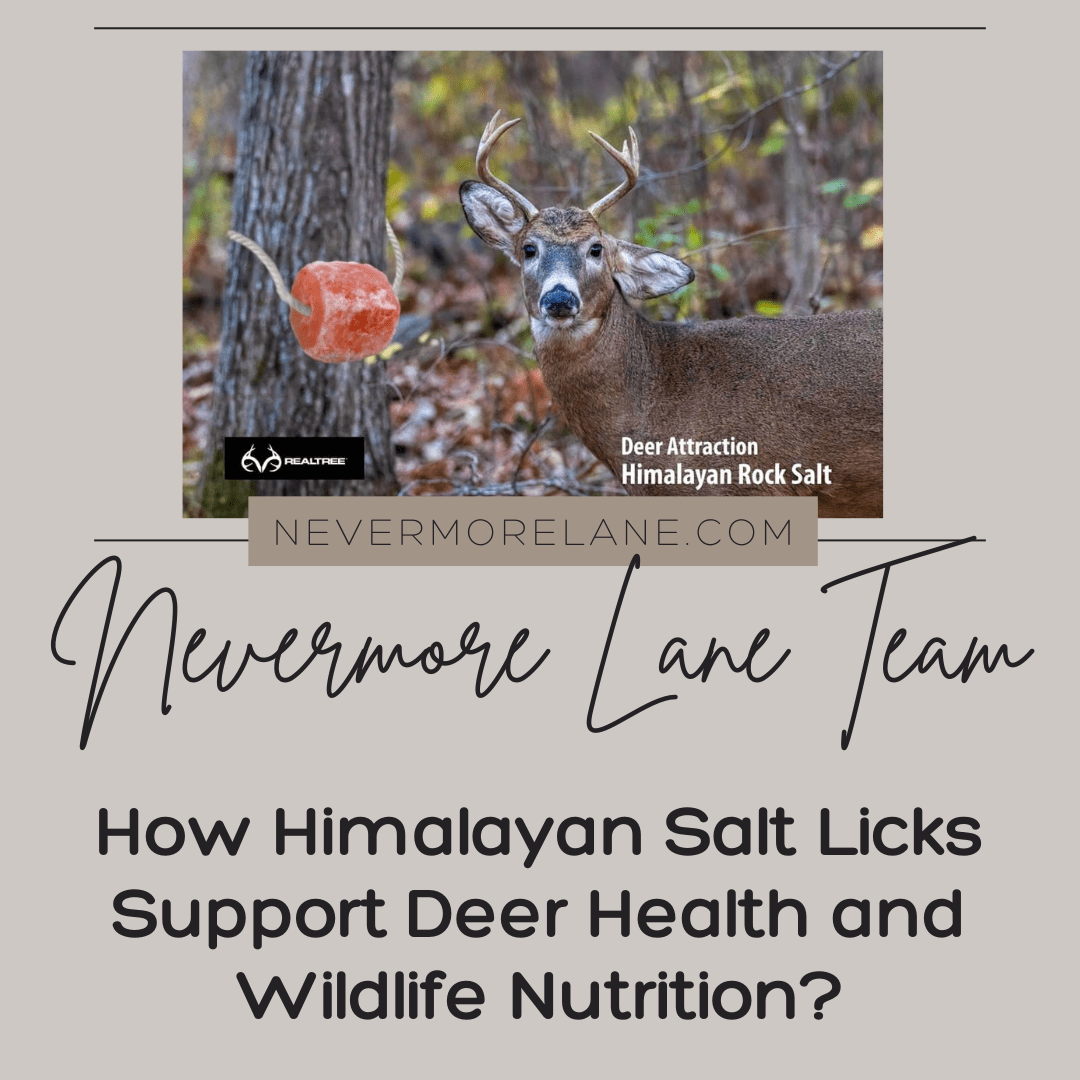
If you are like me and live in the country where wildlife comes and goes or is someone who spends time around deer often notice the same small habit. Deer will stop for a moment at bare ground or a rock, lick the surface, and then walk away. They are not eating, and they do not stay long!
This behaviour links to minerals since deer need minerals to keep their bodies working well. In the past, they got these minerals from soil, plants, and exposed rocks. Over the years, things have changed. Farming, land use, and soil loss have lowered mineral levels in many areas. Because of this, deer can eat plenty of plants but still miss key nutrients.
However, there’s nothing to worry about since Himalayan salt lick block is here to solve this problem. They do not act as food, and they do not change how deer move or feed. Instead, they provide minerals that deer already look for on their own. For this reason, they are widely used in managed wildlife nutrition programs.
While Himalayan salt licks are widely used in wildlife nutrition programs, they are also beneficial for pets and domestic animals when used responsibly. Animals such as horses, goats, sheep, and cattle benefit from access to natural mineral sources.
Briefs About Mineral Needs in Wild Deer
Plants make up most of a deer’s diet since they provide calories, fibre, and basic nutrition. However, many plants do not contain enough sodium and trace minerals. These minerals help muscles move, nerves send signals, the body stays hydrated, and bones stay strong.
Mineral needs increase as the seasons change. During warmer months, bucks grow antlers quickly, while does support pregnancy and milk production. Heat also causes more mineral loss through body fluids. When mineral intake does not match this demand, the body begins pulling minerals from bones and tissues.
Over time, low mineral intake can weaken a deer’s overall health, and that is why deer salt licks work best as a supplement. They add missing minerals without replacing natural plants.
What Makes Himalayan Salt Licks Different from Regular Salt?
Himalayan salt comes from very old rock layers formed millions of years ago and stored deep underground. Because it goes through very little processing, it keeps its natural minerals instead of being mostly sodium.
In outdoor wildlife settings, a few features make a clear difference
- The salt stays hard and dense, which slows intake
- It dissolves slowly in rain and changing weather
- Minerals are released gradually over time
Because of these qualities, deer can consume minerals slowly and safely, much like they would from natural mineral rocks.
How Himalayan Salt Licks Support Deer Health?
Minerals keep a deer’s body running smoothly. When deer get small amounts of minerals over time, everything works better, from movement to growth.
- Helping Deer Stay Hydrated
Salt helps control water balance in the body. When deer consume salt, they drink more water, improving blood circulation and helping them cope with heat.
- Helping Deer Digest Food
Salt also supports digestion. It helps the mouth make saliva and helps the stomach break food down. Because of this, deer get more nutrition from the same plants they already eat.
- Keeping Bones and Muscles Strong
When minerals are available, bones and muscles stay strong. Calcium and magnesium support movement and balance. This helps deer stay active and lowers the chance of injury.
- Supporting Healthier Antler Growth
The antlers develop rapidly and need a great amount of nutrients. The availability of minerals gradually makes them grow in an appropriate way without straining their bodies too much.
Why Mineral Balance Matters More Than Quantity?
It is easy to focus only on sodium, but mineral health depends on balance. The Himalayan salt is 100% natural salt with sodium and 84 trace minerals and elements including potassium, magnesium, calcium, and iron. Every mineral is helpful in sustaining a specific body activity and they are complementary to each other. Most of the regular mineral blocks concentrate on sodium only. Natural salt has wider support and that is why wildlife mineral licks prepared with Himalayan rock salt because it has more potential to be successful in the long run.
Choosing the Right Salt Lick for Outdoor Use:
Outdoor conditions play an important role. Soft compressed blocks dissolve quickly and need frequent replacement. Plain white salt provides sodium only and lacks mineral depth.
A Himalayan salt block for deer lasts longer and releases minerals slowly. When placed in shaded or raised areas, it can remain effective for several months.
Why Color and Texture Are Important?
The pink color of Himalayan salt comes from naturally 84 minerals and trace elements, mainly iron. These minerals support energy use and immune health.
Hard rock salt slows intake and matches how deer naturally use minerals from exposed rock surfaces. This makes pink salt licks safer and more effective than other options.
Smart Placement Improves Results
Placement affects both safety and effectiveness. Salt licks are supposed to be where the natural means of travel are and should not be near the roads or busy human activities.
Good placement adds:
- Shaded areas to slow weather damage
- Lifted or suspended blocks to assure the soil protection.
- Adequate spacing so as not to crowd.
Adequate location prevents damage to the environment and maintains natural behaviour of deer. Proper placement helps keep deer behaviour natural and reduces environmental impact.
Durability and Outdoor Lifespan
A lot of individuals enquire how long the Himalayan salt blocks can last in the open air. This will depend on the weather and how it will be used by animals, but dense rock salt has a long stay compared to compressed blocks. When placed properly, several months of usability of salt blocks are possible.
Why Natural Rock Salt Works Better Than Regular Salt?
Himalayan rock salt for deer contains trace minerals that regular salt does not. These minerals promote the functioning of the nerves, the coordination of muscles, immune response, and balance. Other salt blocks have only sodium in them whereas natural salt sustains the entire system.
Supporting the Wider Wildlife Community
Although designed for deer, Himalayan salt licks to deer are also useful to other animals which include horses, goats, sheep, cows and cattle. Salt Lick blocks access enables animals to obtain their mineral needs in a natural manner. This makes mineral supplementation a low-impact conservation tool when managed responsibly.
Product Note:
The Realtree Himalayan Salt Lick Block uses natural Himalayan pink salt and includes a rope for secure placement. It supports long-term outdoor use.
Frequently Asked Question (FAQs)
- Do deer need minerals even when food is available?
Of course, even when plants are abundant, many lack sodium and trace minerals. Deer need these minerals to support hydration, digestion, muscle movement, and nerve function.
- Can salt licks cause deer to gather too closely?
Crowding usually happens only when salt licks are placed too close together. Proper spacing along travel routes keeps visits brief and natural.
- Is it safe to use salt licks year-round?
Yes, because salt licks are safe throughout the year, especially during warmer months when mineral demand increases.
- Do salt licks replace natural forage?
No, salt licks are additional mineral supplement. Deer still depends on grass, leaves, and plants for food and energy.
- Are salt licks safe for the environment?
Yes, when placed responsibly and not overused, salt licks have minimal environmental impact.
Natural Support for Wild Health
Himalayan salt licks support deer health through providing essential minerals that natural browse doesn’t consistently supply. The sodium helps regulate fluid balance and nerve function. The calcium supports bone density and antler growth. The trace minerals contribute to immune system strength, reproduction success, and overall vitality. Deer instinctively seek these nutrients. The salt blocks make them readily available.
The placement matters as much as the product itself. Position blocks near game trails, bedding areas, or food plots where deer travel regularly. Mount them securely so they don’t tip or roll. Place multiple blocks across larger properties ensuring access for territorial animals. Monitor usage and replace blocks as they diminish. The investment benefits wildlife while creating observation opportunities.
Wildlife nutrition extends beyond what grows naturally when human land use alters habitats and reduces mineral availability. Himalayan salt licks provide supplementation that supports healthy deer populations on properties where natural mineral sources got depleted. The practice benefits animals while allowing people to contribute positively to the wildlife sharing their land. Sometimes the best conservation happens through simple acts of providing what nature once supplied abundantly but modern landscapes no longer guarantee.