How Education Can Empower Healthier Lifestyle Choices
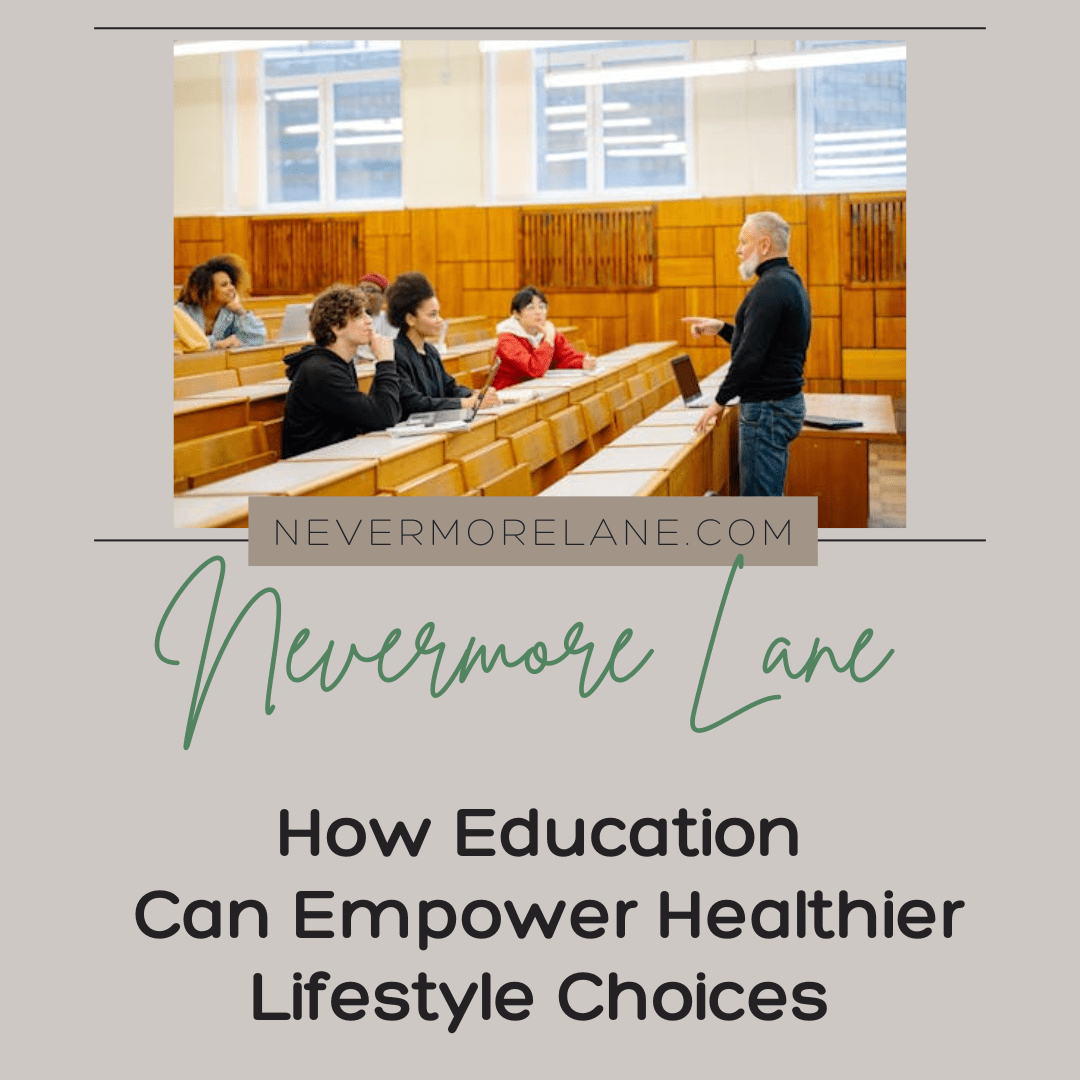
Knowledge changes behavior in ways that motivation alone rarely can. Most people who struggle to maintain healthier habits are not lacking willpower or good intentions. They are operating with incomplete or conflicting information about what their body actually needs, how their daily choices interact with their long-term health, and what realistic, sustainable change looks like for someone with their particular circumstances. That information gap is not a personal failing. It is a structural problem, and education is the most direct way to address it.
The connection between health literacy and healthier outcomes is well-documented and consistently underappreciated in conversations about wellness. Understanding why a behavior matters, not just that it is recommended, fundamentally changes the relationship a person has with that behavior. Someone who understands the specific mechanisms through which sleep deprivation affects metabolism, immune function, and cognitive performance is working with a different set of motivations than someone who has simply been told to get more rest. The first person has context. The second has an instruction. Context is what holds up under pressure.
Health education also provides the critical thinking tools needed to navigate an information environment that is dense with conflicting advice, commercial interests, and wellness trends that range from genuinely evidence-based to actively counterproductive. The ability to evaluate a health claim, understand the difference between correlation and causation, and recognize when professional guidance is needed rather than a supplement or a protocol is a form of literacy that compounds in value across a lifetime of decisions.
Understanding the Link Between Knowledge and Behavior
Education does more than deliver facts about calories or exercise routines. It builds the ability to question, compare, and apply information in real life. When people understand why sugary drinks affect energy levels or how stress impacts the body, they begin to see patterns instead of isolated choices.
This connection matters more today as health misinformation spreads quickly online. A well-informed person is less likely to fall for extreme diets or miracle cures. Instead, they can weigh evidence and make balanced decisions, which leads to steady and lasting lifestyle improvements.
Learning Beyond the Classroom
Health education is no longer limited to school textbooks. Podcasts, social media, and community programs now play a large role in shaping how people think about wellness. Still, structured learning remains important because it provides depth and credibility that quick online tips often lack.
Many adults are turning to programs like a masters in public health online to better understand issues such as nutrition, disease prevention, and community health trends. This shift reflects a broader trend where people want to take control of their health knowledge instead of relying only on doctors or influencers. When learning becomes continuous, healthier choices feel less like chores and more like informed habits.
The Role of Schools in Shaping Early Habits
Schools act as the first formal setting where children learn about health. When students are taught how to read food labels or understand portion sizes, they gain tools that last well into adulthood. These lessons often influence family habits too, as children bring what they learn back home.
Recent efforts to improve school lunches and include mental health education show how systems can evolve with societal needs. When schools combine knowledge with practice, such as offering healthier meals or encouraging daily movement, students begin to associate health with normal life rather than special effort.
Health Literacy in a Digital World
The internet has made health information easy to access, but not always easy to trust. Education helps people develop health literacy, which means understanding and using information correctly. Without it, even well-meaning individuals can make poor choices based on misleading content.
Consider how quickly fitness trends rise and fall on platforms like TikTok. One week a supplement is praised, and the next it is criticized. Educated individuals are better equipped to question sources, check evidence, and avoid jumping from one trend to another. This stability supports consistent and healthier behaviors over time.
Policy, Media, and the Power of Informed Choices
Government policies and media coverage quietly shape everyday health decisions more than most people notice. When cities add calorie labels to menus or limit sugary drinks in schools, they rely on public understanding to make those efforts effective. Education helps people see these policies not as restrictions but as support systems designed to guide better choices.
Media also plays a strong role, especially during events like the COVID-19 pandemic, when clear health communication became critical. People who understood basic science were better able to follow guidelines and avoid misinformation. This shows how education strengthens not just personal health, but public health resilience as well.
Socioeconomic Gaps and Access to Education
Not everyone has equal access to quality education, and this gap often shows up in health outcomes. Communities with limited educational resources may face higher rates of chronic diseases, not because people do not care, but because they lack reliable information and support.
Public health initiatives are increasingly focusing on bridging this gap. Free workshops, mobile clinics, and community outreach programs aim to deliver practical knowledge where it is needed most. When education becomes accessible, it empowers people to make better choices regardless of income or background.
Mental Health Awareness and Lifestyle Choices
Education has played a major role in changing how society views mental health. Conversations that were once avoided are now part of everyday dialogue, especially among younger generations. This shift has encouraged people to recognize the link between mental well-being and physical habits.
Understanding stress, anxiety, and burnout helps individuals make choices that support overall health. For example, someone who learns about the effects of poor sleep may prioritize rest instead of pushing through exhaustion. Education turns abstract concepts into actionable steps that improve both mind and body.
Practical Skills That Make Healthy Living Easier
Knowing what to do is one thing, but knowing how to do it is another. Education that focuses on practical skills can make healthy living feel achievable rather than overwhelming. Cooking classes, budgeting lessons, and time management strategies all contribute to better choices.
For instance, learning how to prepare simple meals at home can reduce reliance on fast food. Understanding how to plan a weekly schedule can create space for exercise. These small, learned skills remove barriers that often stand between intention and action, making healthy habits more realistic.
The Influence of Culture and Community
Education does not happen in isolation. Cultural values and community norms shape how people interpret and apply what they learn. In some communities, shared meals and traditions play a strong role in lifestyle choices, which can either support or challenge health goals.
Community-based education programs often work best because they respect these cultural factors. By tailoring messages to fit local values, they make health advice feel relevant and respectful. When people see their own experiences reflected in what they learn, they are more likely to adopt and maintain healthier behaviors.
Education does not promise perfection, but it provides direction. In a world where choices are endless and advice is often conflicting, having the tools to understand and act wisely can make all the difference.
Turning Health Knowledge Into Habits That Actually Last
The gap between knowing what is healthy and consistently doing what is healthy is one of the most studied phenomena in behavioral science, and the research points toward a consistent finding: education works best when it is specific, actionable, and connected to outcomes the individual already cares about. Generic health information delivered without context lands differently than knowledge that has been made personally relevant, and the difference in how it translates to lasting behavior change is substantial.
Practical health education is not limited to formal settings or medical consultations. Cooking classes that teach nutritional fundamentals alongside technique, community programs that connect movement to social connection rather than fitness metrics, and workplace wellness initiatives that address sleep, stress, and energy management as integrated systems rather than isolated concerns all represent ways that education reaches people in the contexts where their actual decisions are being made. The most effective health education meets people where they are rather than waiting for them to seek it out.
Building a personal foundation of health knowledge is an investment that returns value across every stage of life. Understanding how to read a nutrition label, recognize the early signs that the body needs rest rather than stimulation, navigate a conversation with a healthcare provider from an informed rather than passive position, or evaluate whether a wellness trend is supported by evidence are skills that protect health in ways no single intervention can replicate. Education does not guarantee perfect choices, and it was never meant to. What it provides is the foundation from which better choices become genuinely possible, and the context that makes those choices feel worth making even when they require effort.
Photo: Source