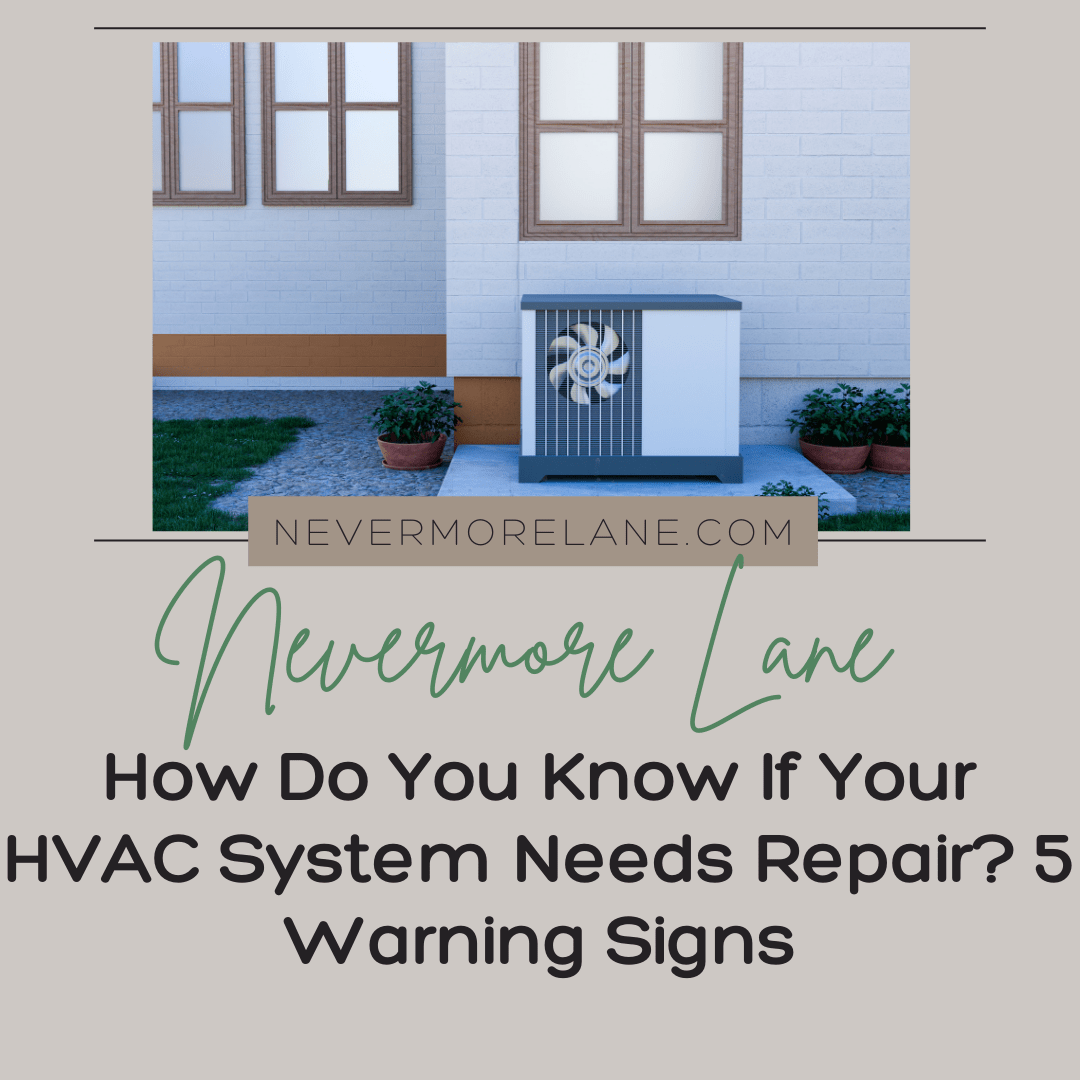
How Do You Know If Your HVAC System Needs Repair? 5 Warning Signs
Your HVAC system is one of those things you rarely think about—until it stops working properly. Whether it’s the middle of summer or a cold winter evening, your heating and cooling system plays a major role in keeping your home comfortable. When it starts showing signs of trouble, ignoring them can lead to higher energy bills, uneven temperatures, and even complete system failure.
The good news is that HVAC systems usually don’t break down without warning. They often give subtle signals first. The key is recognizing those signs early and taking action before a small issue turns into a costly repair. So, if you’re wondering whether your system needs attention, here are five common warning signs homeowners should watch for.
1. Uneven Temperatures Throughout Your Home
One of the earliest signs of HVAC trouble is inconsistent temperature from room to room. If one part of your house feels too warm while another feels noticeably cooler, your system may not be distributing air properly.
This can happen due to:
- Blocked or leaking ductwork.
- A failing blower motor.
- Thermostat calibration issues.
- Airflow restrictions.
While minor temperature differences can be normal in larger homes, significant or sudden inconsistencies often indicate a mechanical issue. Over time, this uneven airflow can put extra strain on your system as it works harder to compensate. If adjusting the thermostat doesn’t fix the imbalance, it may be time for a professional inspection.
2. Weak Airflow or Poor Indoor Air Quality
When you stand near a vent, you should feel steady, consistent airflow. If the air feels weak or barely noticeable, something may be restricting the system’s performance.
Weak airflow can be caused by:
- Clogged air filters.
- Duct obstructions.
- Blower motor issues.
- Failing compressors.
In addition to airflow problems, you might also notice:
- Excess dust buildup.
- Musty odors.
- Increased allergy symptoms.
- Higher indoor humidity.
Because HVAC systems directly affect indoor air quality, these changes shouldn’t be ignored. Reduced airflow forces your system to work harder, which increases energy usage and shortens equipment lifespan. At the same time, poor circulation allows allergens and moisture to linger, which can impact household health over time.
When airflow issues persist despite basic maintenance, a detailed inspection becomes necessary. Experienced professionals, such as those at Heating & Air Ninja HVAC, focus on diagnosing airflow inefficiencies by examining duct systems, blower performance, filtration setup, and overall system balance. By identifying the root cause—rather than just treating surface symptoms—they help restore proper airflow while protecting long-term system reliability.
Ultimately, addressing these concerns early not only improves comfort but also supports cleaner air and more efficient HVAC performance.
3. Unusual Noises You Haven’t Heard Before
HVAC systems aren’t completely silent, but you shouldn’t hear loud or unusual sounds during operation. If you start noticing banging, rattling, squealing, or grinding noises, that’s a clear signal that something isn’t right.
Different sounds can point to different issues:
- Banging or clanking may indicate loose or broken internal parts.
- Squealing often suggests belt or motor problems.
- Rattling could mean loose panels or debris inside the unit.
- Grinding may signal motor bearing failure.
Ignoring strange sounds can allow minor mechanical problems to escalate into major repairs. The sooner unusual noises are checked, the lower the risk of severe damage.
4. Rising Energy Bills Without Explanation
If your energy bills suddenly increase but your usage habits haven’t changed, your HVAC system may be losing efficiency. An inefficient system may:
- Run longer cycles.
- Struggle to reach the set temperature.
- Consume more electricity or gas.
- Work harder due to worn components.
Common causes include clogged filters, refrigerant leaks, aging parts, or dirty coils. Even small efficiency losses can add up significantly over time. Scheduling a system check when you first notice higher utility costs can often prevent bigger mechanical failures down the line.
5. Frequent Cycling or System Short Cycling
Your HVAC system should turn on, run a cycle, and shut off once the desired temperature is reached. If it’s constantly turning on and off within short periods, this is known as short cycling.
Short cycling may be caused by:
- Thermostat malfunctions.
- Refrigerant imbalances.
- Electrical issues.
- An oversized or aging system.
Frequent cycling not only wastes energy but also increases wear and tear on internal components. Over time, this can shorten the lifespan of your HVAC system. If your unit seems to start and stop more often than usual, it’s best to have it inspected before the issue worsens.
Protecting HVAC Investment Through Attention
Your HVAC system is essential to maintaining comfort throughout the year. Fortunately, it usually provides early warning signs before major problems develop. Uneven temperatures, strange noises, rising energy bills, weak airflow, and short cycling are all indicators that your system may need repair. Recognizing these signals and addressing them promptly can save money, improve indoor comfort, and prevent unexpected breakdowns.