Home Maintenance Philosophy for Busy Households
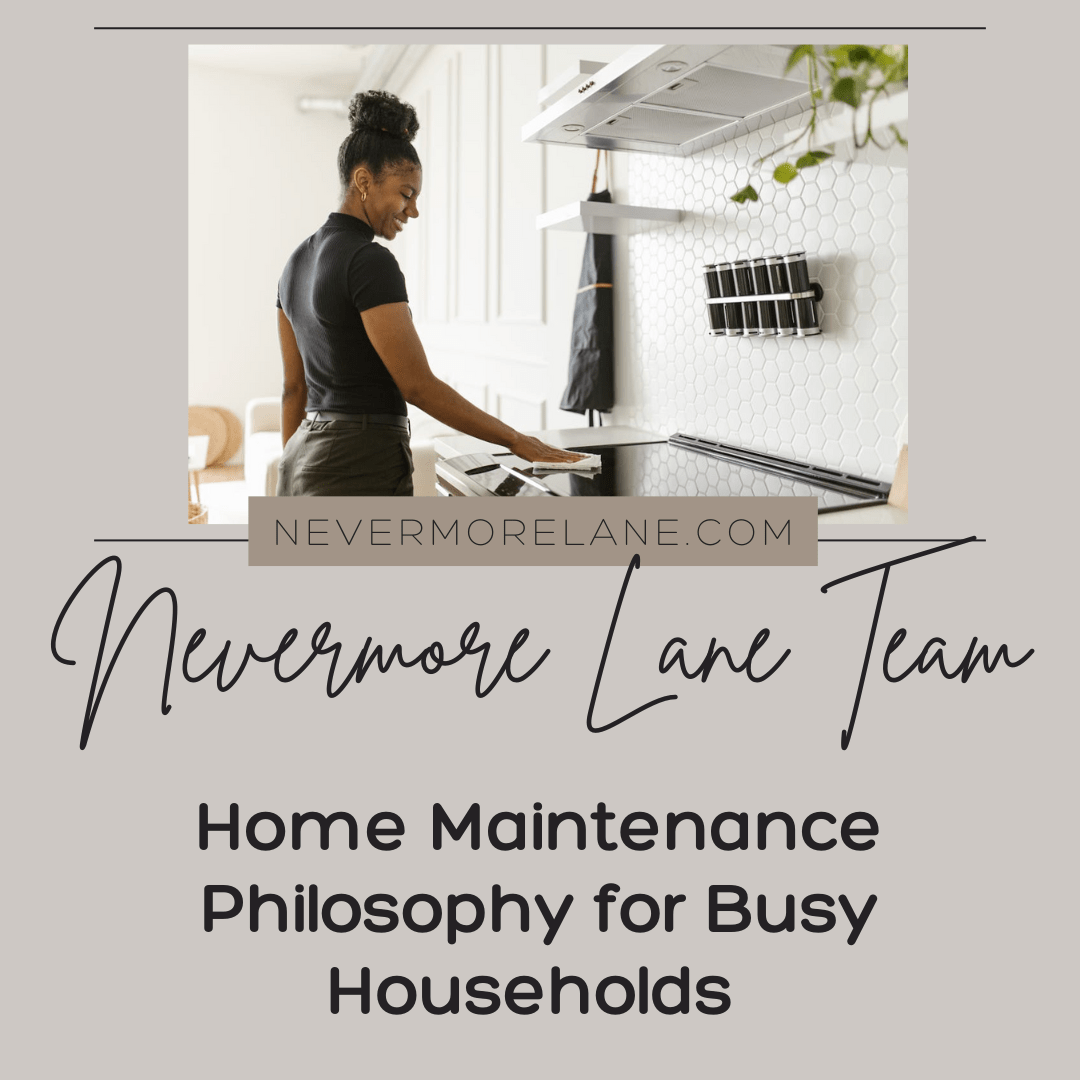
The home maintenance checklist taunts from the refrigerator door where it’s been hanging for six months. Change the HVAC filters quarterly. Clean the gutters twice yearly. Inspect the water heater annually. Reseal the deck every two years. The list continues through dozens of tasks that sound perfectly reasonable until attempting to fit them into life already overflowing with work deadlines, kids’ activities, meal planning, and the basic survival that fills every waking hour. Daily routines move quickly in Brentwood, TN, and other cities across the nation, so a thoughtful home-maintenance philosophy offers real value for families who balance full schedules with the responsibility of caring for a property. The guilt accumulates alongside the neglected tasks.
Traditional home maintenance advice assumes time and energy that busy households simply don’t possess. The recommendations come from people who apparently have empty weekends and unlimited focus for tracking maintenance schedules. Meanwhile, real families operate in constant triage mode where only the loudest problems get attention. The leaking pipe gets fixed because ignoring it means flooding. The furnace gets serviced when it stops working in January. The proactive maintenance that supposedly prevents emergencies gets perpetually postponed because the urgent always drowns out the important.
Busy households need different maintenance philosophies than the comprehensive schedules designed for people with time to spare. The approach must acknowledge real constraints rather than pretending more willpower solves the time shortage problem. Strategic minimalism beats comprehensive plans that exist only in theory. Focusing on the few tasks that prevent expensive disasters matters more than attempting everything and accomplishing nothing. Understanding which maintenance truly cannot wait versus which represents nice-to-do ideals helps families protect their homes without sacrificing sanity. The philosophy shifts from doing everything to doing what genuinely matters with the limited capacity that busy life actually allows.
1. Build a Predictable Maintenance Rhythm
A predictable rhythm allows busy households to handle responsibilities without interrupting work, family time, or personal commitments. A simple rotation works well because each week focuses on a small group of tasks. This structure removes guesswork and encourages follow-through. Families also stay more relaxed, because they understand what to expect and how long each responsibility takes. A rhythm becomes sustainable when it respects the natural pace of the household rather than fighting against it.
2. Prioritize Exterior Care Before Problems Grow
The exterior sets the tone for the entire home-care plan, and its condition directly influences long-term durability. Brentwood experiences warm summers, steady humidity, and seasonal storms, which means roofs, siding, and drainage systems require proactive attention. A quick monthly walk-around helps homeowners catch loose shingles, clogged gutters, worn caulking, or minor wood damage long before those issues grow.
Families who keep tight schedules depend on this simple habit because it prevents avoidable repairs and reduces emergency disruptions. Many residents also coordinate with a reliable roof replacement company in Brentwood when they need professional support for larger projects, since local professionals can help them protect their property without losing valuable time. Thoughtful exterior care strengthens the entire maintenance routine and gives families more confidence in their home’s resilience.
3. Create a Realistic Interior Routine That Fits Daily Life
Interior care becomes easier when families match tasks to their natural patterns. Short daily resets handle clutter, spills, and quick wipe-downs. Weekly routines cover laundry, vacuuming, bathrooms, and surface cleaning. Monthly tasks focus on deeper attention, such as checking filters, inspecting appliances, and organizing storage spaces. This structure prevents the frustration that comes from chaotic schedules and large weekend clean-ups. A realistic routine also fosters shared responsibility, because every household member understands clear expectations and manageable steps.
4. Use Functional Systems Instead of One-Time Efforts
Systems support consistency, while one-time efforts only offer short-term relief. A functional system might include labeled storage zones, color-coded cleaning kits, or a digital checklist that updates automatically. These tools work well for busy families because they reduce decision fatigue. When everything has a clear purpose and location, the house stays organized with less effort. Systems reduce stress, save time, and encourage long-term stability. They also help households avoid burnout, since no one scrambles to rebuild order after a hectic week.
5. Adopt a Forward-Thinking Repair Mindset
A forward-thinking mindset focuses on prevention, early detection, and smart timing. Families who manage demanding schedules depend on this mindset because it protects their home and their time. Small issues disappear quickly when handled early, while delays often create larger expenses and added stress. A quick response to unusual noises, slow drains, minor leaks, or inconsistent appliance performance keeps living spaces functional and comfortable. This mindset reinforces the entire home-maintenance philosophy by promoting confidence, control, and peace throughout the household.
6. Strengthen Habits Through Small, Repeatable Actions
Small actions shape stronger habits than large, infrequent projects. A quick surface wipe, a five-minute declutter, or a short equipment check builds steady momentum. These small steps help families avoid large, time-consuming chores that drain energy. Repetition matters because it creates familiarity and reduces hesitation. When households pair habits with daily cues—such as a quick tidy before dinner or a fast sink check after morning routines—maintenance tasks turn into natural extensions of everyday life. Consistency keeps the home stable even during demanding weeks.
7. Streamline Tools and Supplies for Maximum Efficiency
Efficient maintenance requires well-organized supplies. Many households overload their storage areas with duplicate tools or outdated cleaners, which slows down simple tasks. A streamlined kit removes that problem and speeds up the entire routine. Clear bins, labeled shelves, and easy-to-reach cleaning stations help every family member complete tasks without searching for items. High-quality, multi-purpose tools also reduce clutter and improve performance during quick maintenance sessions. When supplies stay organized, the home runs more smoothly, and chores feel less disruptive.
8. Prepare Seasonal Checklists for Smooth Transitions
Seasonal transitions create natural checkpoints for recalibration. A seasonal approach helps families manage predictable changes without scrambling. Preparation for warmer months can include HVAC maintenance, window washing, deck care, and outdoor organization. Cooler seasons may call for heating checks, weather-stripping assessments, deep cleaning routines, and holiday-related storage adjustments. These checklists provide clarity and reduce stress during months with heavy activity. Seasonal planning also aligns with budgeting priorities, since families can forecast supply purchases, necessary repairs, and routine service appointments with confidence.
9. Encourage Household Participation Through Clear Roles
A well-maintained home thrives when every member contributes. Clear roles reduce confusion and strengthen teamwork. Many families assign responsibilities based on age, strengths, and availability. Younger children often handle simple resets, while teenagers take on routine organizing or outdoor tasks. Adults usually oversee repairs, scheduling, and system management. Defined roles prevent resentment and ensure that responsibility does not fall on one person. This shared structure reinforces respect, builds accountability, and turns home maintenance into a cooperative effort rather than a source of tension.
Maintain What Matters, Release the Rest
Home maintenance philosophy for busy households succeeds through ruthless prioritization rather than comprehensive execution. Focus on the critical few tasks that prevent catastrophic damage. HVAC filter changes prevent system failure. Gutter cleaning prevents water damage. Water heater inspection prevents floods. These essentials deserve attention. The rest becomes negotiable based on actual available capacity.
The implementation requires systems that work with reality rather than against it. Automatic reminders trigger action. Bundling tasks into seasonal chunks reduces decision fatigue. Hiring help for tasks that demand expertise or physical ability removes guilt and ensures completion. The maintenance happens through whatever means work rather than insisting everything must be DIY.
Busy households deserve maintenance approaches that honor their constraints rather than creating additional pressure through impossible standards. The home needs care. The people living in it need sustainable systems that don’t require superhuman organizational skills or unlimited free time. Sometimes the most responsible homeowner choice involves accepting that good enough maintenance beats perfect plans that never happen. The house will survive. The family thrives when maintenance fits life rather than consuming it.