Healthy Aging and the Importance of Lifelong Spine Care
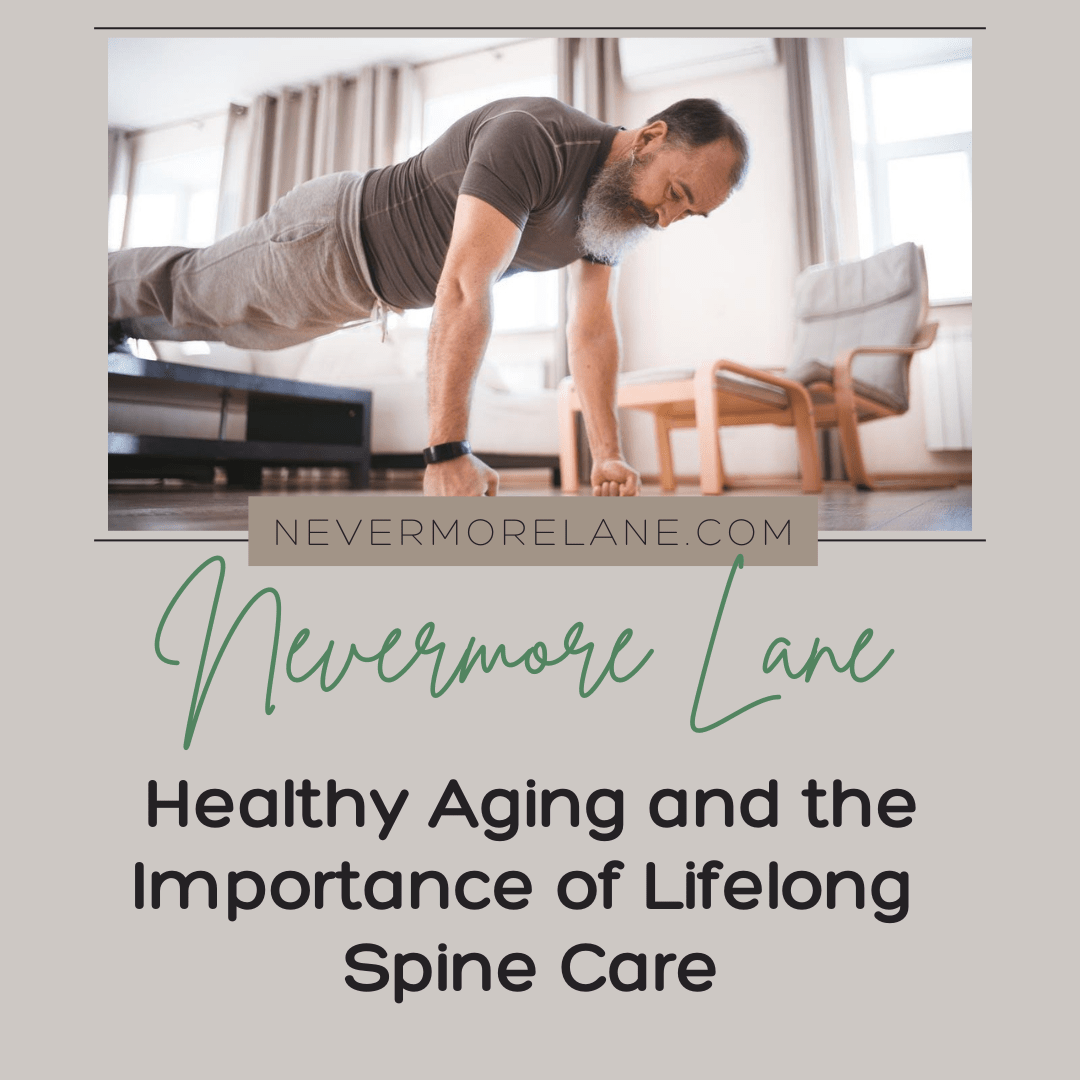
Aging is often measured in years, but its true impact is felt in movement. The ability to bend without strain, stand without discomfort, and rise each morning with ease shapes daily experience more than most realize. When the spine is neglected, even simple tasks can become reminders of stiffness and limitation. Healthy aging begins with honoring the structure that supports every step, stretch, and breath.
Many adults only think about spine care after pain interrupts routine life. Long hours at desks, poor posture, and limited mobility slowly create imbalance. Over time, tension builds, flexibility decreases, and small aches become persistent companions. What could have been prevented with consistent care often turns into reactive treatment. The story is common, yet it does not have to be inevitable.
Lifelong spine care offers a different path. Through mindful movement, strength training, posture awareness, and professional support when needed, the spine can remain resilient well into later years. Healthy aging is not simply about adding years to life but preserving vitality within those years. Prioritizing spinal health creates a foundation for energy, independence, and continued confidence in the body’s ability to move freely.
Why the Spine Deserves Daily Attention
The spine is often treated as a single structure. It is actually a dynamic system of bones, discs, joints, ligaments and muscles working together. Stability is created by balance. Movement is supported by coordination. When one area becomes stiff, another area compensates.
Compensation adds stress.
Over time, poor mechanics can become routine. Slouched posture is normalized. Limited rotation is ignored. Mild discomfort is brushed off as part of getting older. However, aging does not automatically require pain. Many age-related spine issues are influenced by lifestyle more than years lived.
Movement-based care is frequently recommended because it restores natural patterns instead of masking symptoms. Approaches such as The McKenzie Method are often used to assess how specific movements affect pain and range of motion and exercises are prescribed based on those responses rather than generalized stretching routines. This method encourages patients to take an active role in recovery. Instead of relying only on passive treatments, individuals are taught how to manage flare-ups with targeted movements. Control is gradually returned to the patient.
That shift is powerful.
When people understand how their spine responds to certain positions, fear is reduced. Confidence grows. Movement feels safer.
The Impact of Modern Life on Aging Spines
Today’s lifestyles were not designed for spinal health. Long hours are spent seated. Screens are viewed at downward angles. Physical labor has been replaced by keyboard work. Even leisure time is often sedentary.
This pattern has consequences.
Prolonged sitting shortens hip flexors and weakens gluteal muscles. Forward head posture strains the cervical spine. Limited rotation decreases joint lubrication. These changes are subtle at first. They become noticeable later.
The pandemic amplified these habits. Home offices were created quickly. Dining tables became workstations. Walking commutes disappeared. As a result, spine complaints increased across age groups.
The solution is not extreme.
It is consistent.
Small adjustments can create meaningful impact:
- Standing and stretching every hour
- Practicing gentle spinal extensions daily
- Strengthening core muscles three times per week
- Walking at least twenty minutes most days
- Paying attention to posture during screen use
These habits are simple. They are often overlooked. Yet they support disc health, muscle balance and joint mobility in ways that add up over time.
Consistency protects mobility.
Strength, Stability and Fall Prevention
Healthy aging is closely tied to independence. Independence is tied to mobility. Mobility depends on spinal stability and muscular strength.
When core muscles weaken, the spine absorbs more strain. Balance can be compromised. Falls become more likely. According to national health data, fall-related injuries remain one of the leading causes of hospitalization among older adults.
Strength training is protective.
Resistance exercises stimulate bone density. They support joint alignment. They improve neuromuscular coordination. These benefits are not limited to athletes. They are available to anyone willing to move regularly. It is never too late to start.
Even modest strength gains can improve posture and reduce discomfort. Muscles respond to stimulus at any age. The body adapts when it is challenged safely.
Stability is built through repetition.
A simple routine performed weekly can maintain functional strength for years. It does not require advanced equipment. It requires intention.
Posture and Everyday Awareness
Posture influences more than appearance. It affects breathing, balance and nerve function. Slouched shoulders compress the chest cavity. Rounded backs strain lumbar discs. Forward head positioning stresses the neck.
Awareness is the first step.
Corrective habits are built gradually. Sitting upright with feet flat. Adjusting screens to eye level. Using supportive footwear during long walks. These are not dramatic changes. They are steady corrections.
Over time, posture becomes habitual. And habits shape outcomes.
The body adapts to repeated positions. If those positions are aligned, strain is minimized. If they are misaligned, compensation increases. Aging does not erase the body’s ability to adapt. It simply requires more patience.
Mindset and Long-Term Commitment
Spine care is often approached reactively. Pain appears. Treatment is sought. Relief is achieved. Maintenance is forgotten.
That cycle is common.
Healthy aging requires a different mindset. Preventive care must be prioritized before discomfort becomes severe. Gentle daily movement can prevent stiffness. Regular strengthening can protect joints.
Discipline is quiet. It is built in short sessions and repeated efforts. It does not rely on motivation alone. It relies on routine.
The long-term goal is freedom. Freedom to garden without fear. Freedom to travel comfortably. Freedom to lift grandchildren without hesitation. These moments are supported by habits built decades earlier.
Standing Strong Through the Years
Spine health influences far more than comfort. It affects balance, coordination, circulation, and overall mobility. When the spine remains aligned and supported, daily activities feel more natural and less taxing. Consistent care reduces the likelihood of chronic pain and helps maintain the flexibility needed for an active lifestyle.
Preventative habits make the greatest difference over time. Regular stretching, core strengthening, ergonomic adjustments, and periodic professional evaluations help protect the spine from gradual wear. These actions support healthy aging by reinforcing the body’s central structure. When care becomes routine rather than reactive, long term wellness becomes more attainable.
A commitment to lifelong spine care is an investment in independence and quality of life. Aging does not have to mean surrendering mobility or comfort. With attention, education, and intentional practice, the spine can continue to provide strength and stability for decades to come.
Healthy aging is not about chasing youth. It is about preserving function. The spine plays a central role in that effort. When it is cared for consistently, mobility is extended and independence is maintained and that steady attention to movement and posture allows people to live fully in their later years instead of watching from the sidelines, which is ultimately what most individuals hope for as they grow older and want their bodies to keep up with the life they still plan to live.