Health Risks Linked to Talcum Powder Products
As of November 2025, more than 67,000 talcum powder lawsuits have been filed in the U.S. Victims allege exposure to certain talc-containing baby powders, body powders, and makeup products caused them to develop ovarian cancer and mesothelioma later in life.
Being unaware of the contents of the products we use, sometimes there are dangers that we didn’t know existed. And such is the case for talc-based products. To think that talcum powder has been a staple in the household for decades and is used for personal hygiene, baby care and added to cosmetics.
According to research done over the years, products containing talc have a potential link to ovarian cancer and respiratory issues, says talcum powder lawyer Dr. Tara Tabatabaie. The danger lies in its delayed diagnosis because of its usual mild symptoms.
Let’s explore the science, controversies, and implications behind these widely used products.
Understanding Talcum Powder and Its Uses
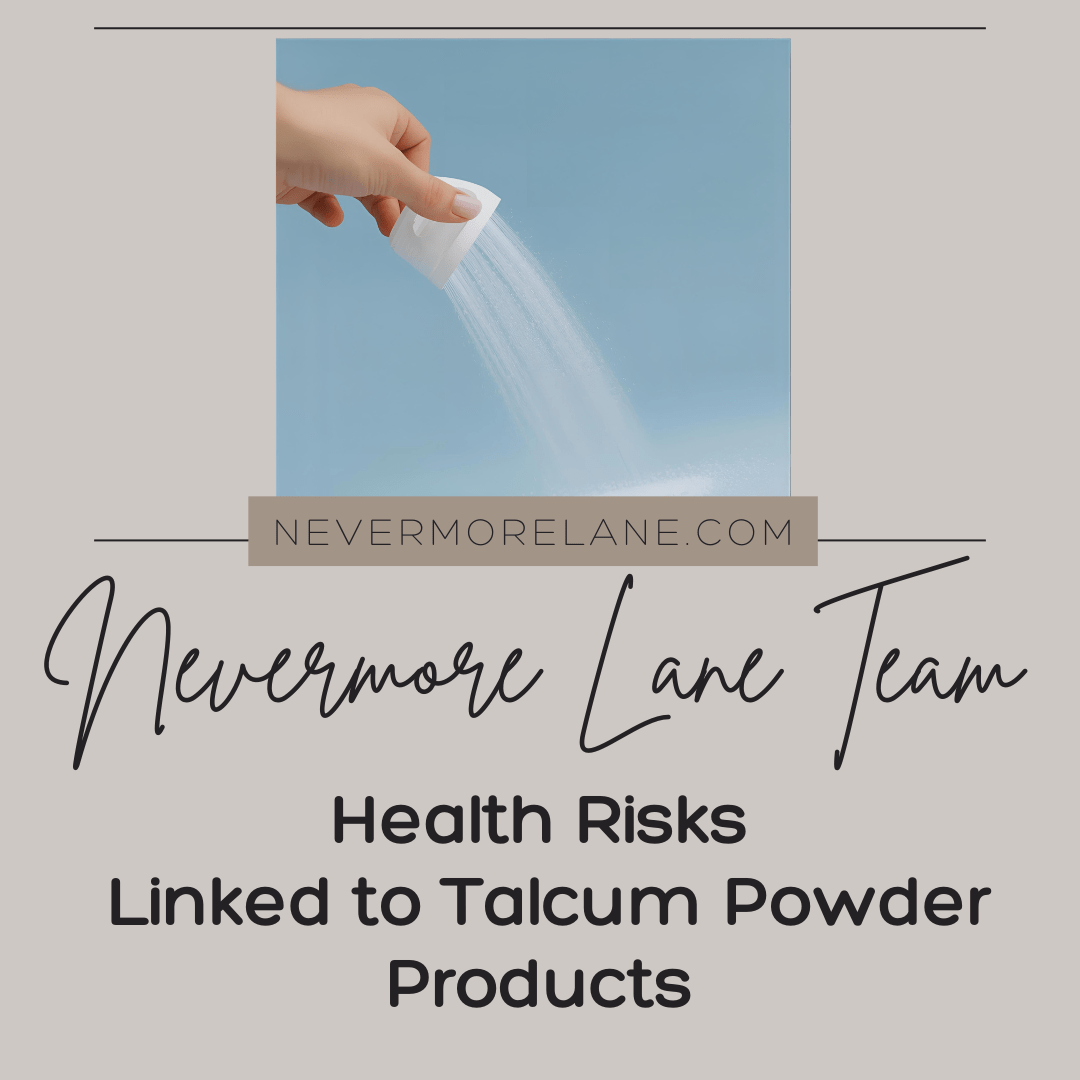
Most often, talc goes unnoticed; it has been used in households for ages just because of its absorption properties. A great number of individuals take advantage of talcum powders in order to stay fresh and dry, and it works just like magic when summer’s heat begins to make everyone sweaty.
Put some baking powder in your shoes without them getting moist or place a handful on your skin after a quick shower, then enjoy the sure touch of freshness. The broad spectrum of talcum powder uses also makes it a valuable ingredient in an effective diaper rash preventer based on baby care products, bringing both baby and parent a little pampering and relief.
Talc can be used in cosmetics as a texturizer for the body. Many who find comfort through talcum powder relate to actual social situations centered around its usage.
The Link Between Talcum Powder and Ovarian Cancer
Some surprising findings have linked talcum powder to an increased chance of ovarian cancer. The material particles may travel from talcum powder applied onto the genital area to the ovaries, and that may cause the inflammation that fuels carcinogenic processes.
You cannot ignore this risk while your friend, sitting right next to you, applies talcum powder every day. Many affected women continue to seek alternative products while numerous studies are ongoing.
Staying in touch with the latest information on talcum and talking to your doctor enables you both to protect each other and spread the word.
The Asbestos Contamination Concern
Asbestos is a matter of critical concern, more so when it is linked to the health risks of talcum powder. Most cosmetic talcum companies source their talc from mines contaminated with asbestos, a known cause of cancer.
Using such a commodity, people are then exposed to fine fibers of airborne asbestos that, if inhaled or ingested, could cause serious health effects. This is impossible to ignore, especially with various companies being sued over allegations of contamination.
There is no safe level when it comes to exposure to asbestos, according to Blake Jones Law Firm. In fact, one incident of exposure to the substance is enough to develop mesothelioma or other asbestos-related medical conditions.
For these reasons, you have to be alert and well-informed. This is not just for you but also for the sake of your loved ones. Knowledge about risks would certainly motivate you to weigh other options, carefully looking out for your health and safety.
You are not the only one seeking to welcome qualitative changes in favor of safer alternatives and a better knowledge of product awareness.
Respiratory Risks Associated With Talcum Powder
Commonly considered for personal cleanliness, talcum powder actually poses extreme threats to health and respiratory well-being. Since talc is powdery, minute particles are carried off into the air and may be breathed in, establishing a health risk in the long run.
Irritation occurs if inhaled, but it exits through the skin, not the lungs. Conscious awareness should prevail upon you to make the appropriate and less destructive selection for you and your family. You can always go for other health-friendly alternatives with similar characteristics to talc.
Safer Alternatives to Talcum Powder Products
Alternatives to talc powder can be used safely without any fear of harmful effects. Cornstarch is taken by many as a softer and still efficient choice for absorbing moisture on the skin. Another is arrowroot, which retains its natural, fresh touch to the skin while keeping it healthy.
To enhance the experience of luxury, you can place the essential oils on the baking soda and allow the soda to soak up the moisture and at the same time keep the skin smelling really nice. If you need a solution for rubbing from powder, you can use body creams or natural lotions instead.
If you care about your health and the health of your loved ones, these natural alternatives can be a better choice.
Make Informed Choices About Product Safety
Health risks linked to talcum powder include potential ovarian cancer from long-term genital use and mesothelioma from asbestos-contaminated products. Multiple studies show associations between regular talc use in the genital area and increased ovarian cancer risk, with some research suggesting 20-30% increased risk among frequent users. Asbestos contamination concerns led to recalls and product reformulations as testing revealed presence of cancer-causing fibers in some talc products.
The litigation surrounding talcum powder exposed internal company documents suggesting manufacturers knew about contamination risks and potential health dangers yet continued marketing products as safe. Thousands of lawsuits resulted in multi-billion dollar settlements, though companies continue disputing causation claims. Regulatory agencies including the FDA increased scrutiny of talc products, and many manufacturers now offer talc-free alternatives using cornstarch instead.
Consumer protection involves awareness that products marketed for generations as safe sometimes carry hidden risks that emerge only through independent research and legal accountability. Talcum powder demonstrates how corporate assurances don’t always align with actual safety, particularly when profits depend on maintaining consumer confidence. For those who used these products extensively, discussing screening options with healthcare providers offers proactive health monitoring. Sometimes the products trusted most deserve the most scrutiny.