Design Trends That Are Transforming Bathrooms into Relaxation Zones
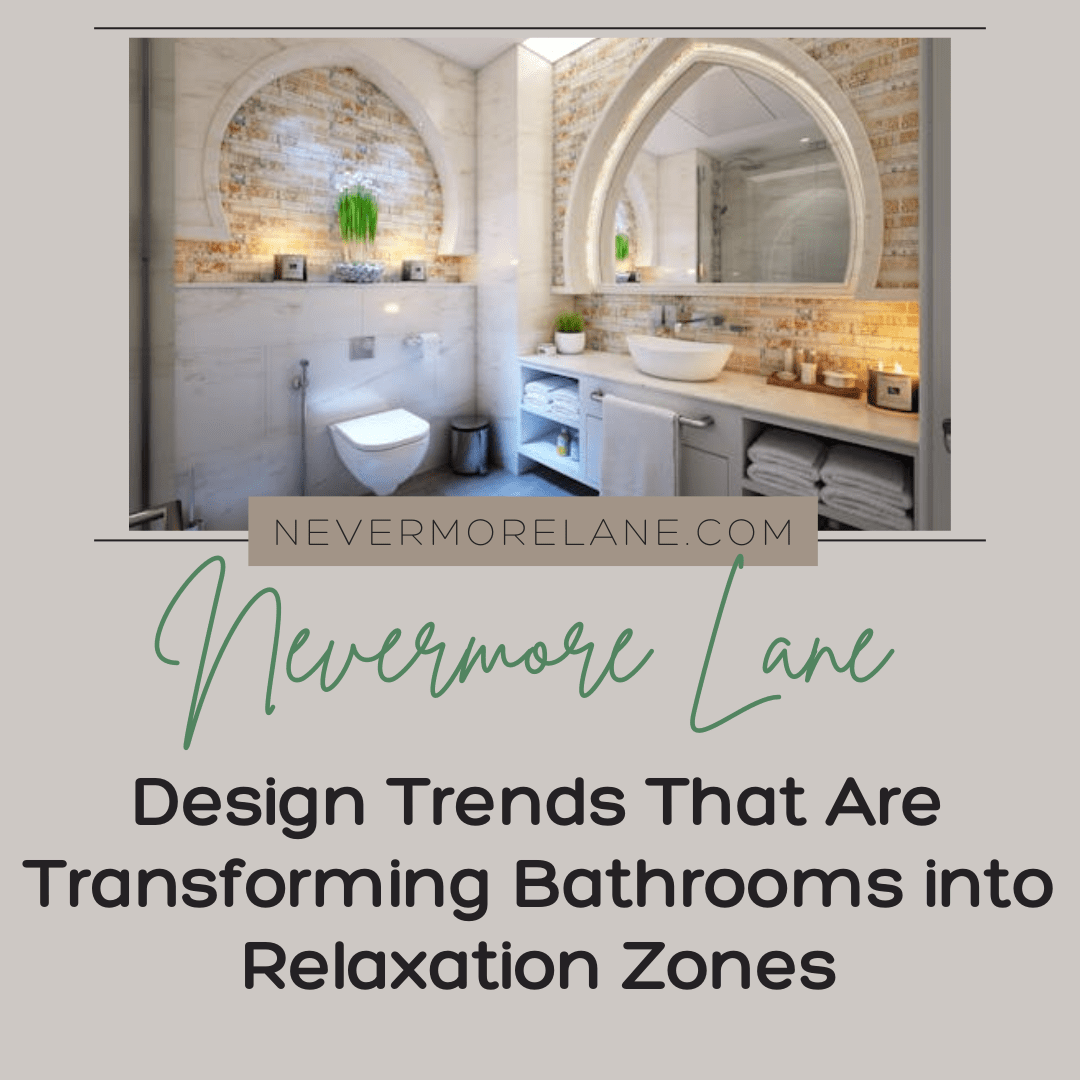
Have you ever noticed how the bathroom has quietly become the most fought-over room in homes from Los Angeles to other parts of the world? What used to be purely functional is now expected to double as a retreat. As stress levels rise and people spend more time at home, bathrooms are evolving into personal wellness zones that reflect bigger lifestyle shifts.
The Rise of the At-Home Spa Mindset
People are no longer waiting for vacations or spa days to unwind. With busy schedules and rising travel costs, homeowners are bringing relaxation into their daily routines. Bathrooms are being redesigned to feel calm, quiet, and restorative rather than rushed and purely practical.
This trend mirrors broader changes in how Americans think about self-care. Mental health conversations are more open than ever, and the idea of small daily rituals, like a long shower or bath, has gained real value. Designers are responding by focusing on comfort, sensory details, and layouts that slow people down instead of pushing them through a routine.
Luxury Renovations Become More Accessible
High-end design used to feel out of reach for most households, but that gap is shrinking. With more financing options and modular upgrades, people are investing in bathrooms the way they once prioritized kitchens. Even mid-range homes now feature heated floors or rainfall showers.
Interestingly, the popularity of all-inclusive Las Vegas bathroom renovations reflects how destination-style luxury is influencing everyday spaces. People see hotel bathrooms as a gold standard and want to recreate that feeling at home. The goal is not just style but experience, with features that feel indulgent yet practical. This shift shows how consumer expectations have changed, driven by social media and travel exposure.
Natural Materials and Earth Tones Take Center Stage
Bathrooms are starting to look less like sterile utility rooms and more like extensions of nature. Wood vanities, stone sinks, and textured tiles are replacing glossy, artificial finishes. These choices create warmth and help reduce the cold, clinical feeling that older bathrooms often had.
Earth tones like soft browns, muted greens, and sandy beige are replacing bright whites and harsh grays. These colors help create a grounded atmosphere that feels calming rather than energizing. The influence of sustainability trends is clear here, as people want materials that feel authentic and environmentally responsible while still being durable.
Lighting That Adapts to Mood and Time of Day
Lighting has become one of the most important design elements in modern bathrooms. Instead of a single overhead fixture, layered lighting now allows people to control brightness and tone depending on the moment. Soft, warm lighting is ideal for evening relaxation, while brighter settings help with morning routines.
Smart lighting systems are becoming more common, allowing users to adjust settings through apps or voice commands. This reflects a broader trend toward home automation, where convenience and personalization go hand in hand. Good lighting not only improves functionality but also plays a major role in shaping the overall mood of the space.
Walk-In Showers Replace Traditional Tubs
While bathtubs are not disappearing entirely, walk-in showers are quickly becoming the centerpiece of modern bathrooms. They offer accessibility, sleek design, and a sense of openness that traditional layouts often lack. Frameless glass enclosures and large-format tiles help create a seamless look.
This shift is partly driven by aging populations who prioritize ease of use, but it also appeals to younger homeowners who prefer minimalist aesthetics. Adding built-in benches or multiple showerheads turns a simple shower into a more immersive experience. The focus is on comfort and usability without sacrificing style.
Wellness Features Go Beyond the Basics
Bathrooms are now being designed with wellness in mind, incorporating features that go far beyond standard fixtures. Steam showers, aromatherapy systems, and even sound integration are becoming more common in higher-end renovations. These additions transform the bathroom into a space for both physical and mental recovery.
The pandemic accelerated this trend, as people looked for ways to manage stress without leaving home. What once felt like luxury now feels like a practical investment in well-being. Even smaller upgrades, like better ventilation or improved water pressure, can significantly enhance the daily experience.
Storage That Reduces Visual Clutter
A relaxing bathroom cannot exist if it feels crowded or chaotic. Modern designs emphasize hidden storage solutions that keep surfaces clean and uncluttered. Floating vanities, recessed shelves, and built-in cabinets help maintain a streamlined appearance.
This approach reflects a broader cultural shift toward minimalism and organization, popularized by trends like decluttering and intentional living. When everything has a place, the bathroom feels more like a retreat and less like a storage area. Good storage design also makes daily routines more efficient, which adds to the sense of ease.
Technology Blends Comfort with Efficiency
Technology is playing a bigger role in bathroom design than ever before. From smart mirrors that display weather updates to touchless faucets that improve hygiene, these features combine convenience with modern appeal. Heated toilet seats and automatic cleaning systems are also gaining traction.
While some of these upgrades may seem excessive at first, they often address real needs, especially in busy households. Energy-efficient fixtures and water-saving systems also align with environmental concerns, making technology a practical addition rather than just a novelty.
Bringing the Outdoors In with Biophilic Design
Designers are increasingly using biophilic principles to connect bathrooms with nature, even in urban homes. Features like indoor plants, natural light through skylights, and even small water elements help create a calming environment that feels far removed from daily stress.
This trend reflects a growing awareness of how surroundings affect mental health. Simple additions like a bamboo plant or a stone accent wall can make a noticeable difference. When paired with natural textures and soft lighting, these elements help turn an ordinary bathroom into a space that feels restorative and quietly refreshing.
The transformation of bathrooms into relaxation zones reflects more than just changing design tastes. It reveals how people are redefining comfort, privacy, and self-care in a fast-moving world. As homes continue to serve multiple roles, from workplaces to sanctuaries, the bathroom has quietly become one of the most important spaces for restoring balance.
Photo: Source