Creating Sustainable Health and Wellness Routines for Individuals with Disabilities
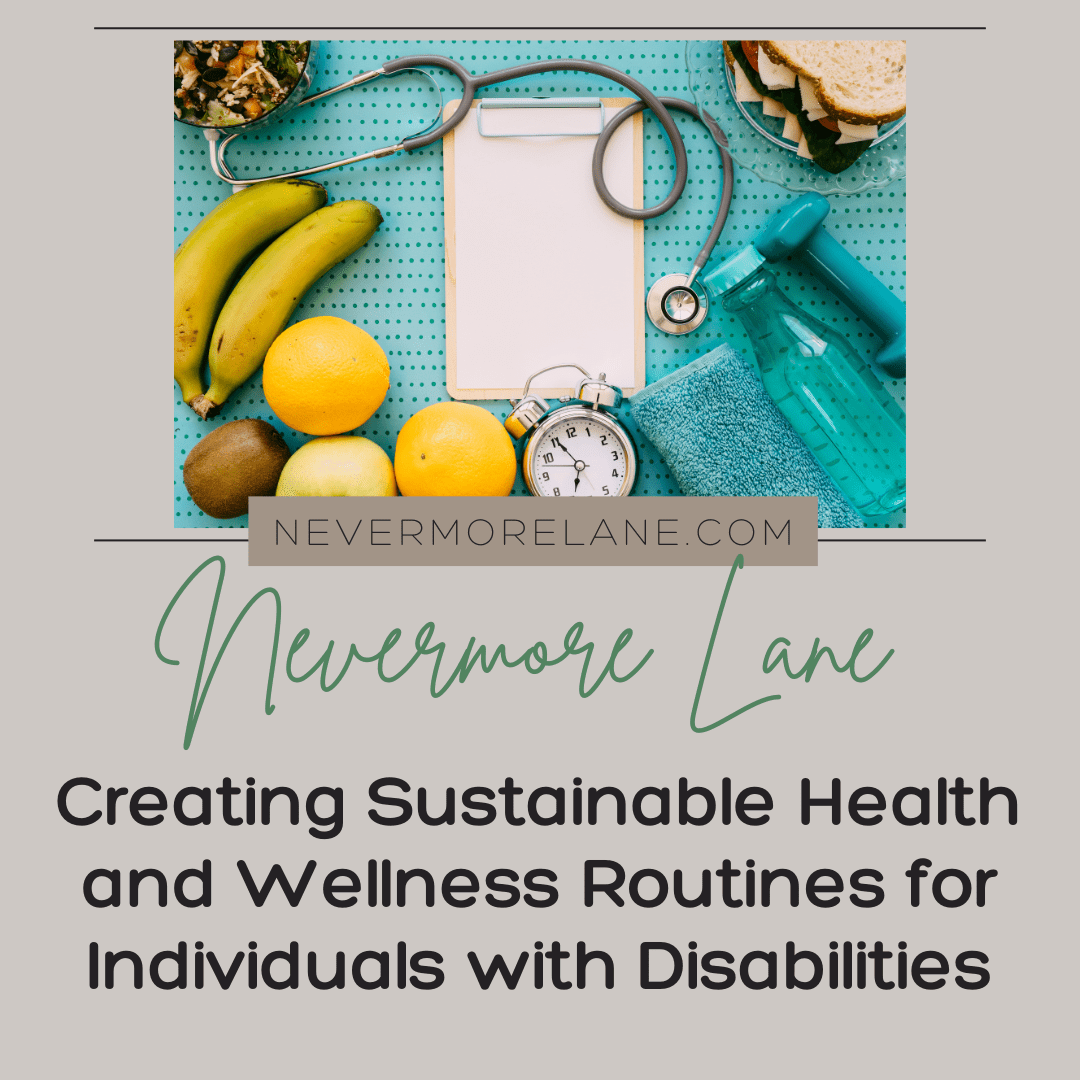
Holistic health is a universal necessity yet accessing the tools to maintain physical and emotional wellbeing is not always straightforward. For many people, adopting a balanced lifestyle requires navigating systemic barriers that can make standard health advice difficult to apply. This creates a significant gap in care and outcomes. According to a fact sheet from the World Health Organization, persons with disabilities face twice the risk of developing secondary health conditions. These conditions often include depression, asthma, diabetes, or obesity. Addressing these stark inequities requires a shift towards inclusive health systems and the creation of sustainable, accessible wellness routines.
Understanding the Foundations of Holistic Care
At its core, wellbeing is about nurturing the deep connection between the mind and the body. While the fundamental benefits of pursuing wellness remain the same for everyone, the way these practices are executed must often be tailored to fit an individual’s unique physical or cognitive abilities. Integrating adaptable physical activities, nutritious diets, and intellectual stimulation can dramatically reduce stress and improve emotional health. To better understand these universal concepts, exploring the benefits of pursuing wellness in our lives provides an excellent baseline. It demonstrates why a balanced daily lifestyle is critical for emotional and physical resilience. For individuals with limited mobility or cognitive challenges, reaching these foundational milestones simply requires a different, more personalised roadmap.
This is where tailored care plans become invaluable. Partnering with professionals who understand accessible fitness and holistic care can transform a daunting task into an enjoyable daily habit. For instance, organisations like Good Company Disability Services excel at facilitating specialised support that helps individuals build routines tailored to their specific needs. By working with dedicated support teams, individuals can identify realistic goals, adapt exercises to suit their abilities, and establish a foundation for long-term health. A truly effective care plan looks beyond generic advice, focusing instead on what is practical and motivating for the individual.
Adapting Physical Activities for Every Body
Exercise is vital for cardiovascular health, muscle maintenance, and the release of endorphins. However, traditional fitness advice often alienates those who require specialised support. The focus must shift from high-intensity, generic workouts to movement that feels good and functions well for the specific individual. Whether it involves seated yoga, hydrotherapy, or simply incorporating more guided stretches into the morning, the goal is consistent, comfortable movement that respects the body’s boundaries. Building muscle tone, improving joint flexibility, and enhancing balance are all achievable when the exercises match the person’s current capabilities.
Essential Elements of an Accessible Wellness Routine
A truly sustainable wellness routine extends far beyond physical exercise. It encompasses daily habits that nourish the mind, foster independence, and build a sense of purpose. Creating this routine requires a holistic approach that breaks down health goals into manageable, bite-sized actions. Consider incorporating the following elements to build a comprehensive wellness plan:
- Mindful Nutrition: Focus on balanced, accessible meal preparation. Pre-chopped vegetables, adaptive cooking tools, and simple recipes can make healthy eating less exhausting.
- Mental and Emotional Stimulation: Engage in activities that challenge the brain without causing undue stress. Puzzles, audiobooks, or accessible creative hobbies provide necessary cognitive engagement.
- Consistent Sleep Hygiene: Establish a calming evening routine. Poor sleep exacerbates both physical pain and mental fatigue, so prioritising a dark, quiet environment and regular sleep hours is crucial.
- Social Connectivity: Isolation is a major risk factor for depression. Regular interaction with support workers, family members, or community groups ensures a robust emotional safety net.
Building a Supportive Environment
No wellness routine exists in a vacuum. Long-term success relies heavily on the environment and the support network surrounding the individual. Homes can be modified to encourage independence, from installing grab rails in the bathroom to organising kitchen supplies for easy reach. When the physical environment promotes autonomy, maintaining healthy habits becomes significantly easier.
Engaging with community resources helps prevent burnout for both the individual and their primary caregivers. Scheduled outings, peer support groups, and inclusive community centres offer spaces where health is celebrated collectively. This shared approach to wellness ensures that motivation remains high even on challenging days.
The Path Forward
Adopting a healthy lifestyle should never feel like an exclusive privilege. By acknowledging the unique challenges faced by those with disabilities and creating adaptable, personalised care plans, we can bridge the gap in health inequities. Sustainable wellness is not about perfection. It is about making deliberate, manageable choices each day that support long-term vitality, emotional balance, and a higher quality of life.