Between Glaciers and Granite: Discovering Iceland and Finland’s Gateways
The Nordic countries shimmer in travel fantasies as interchangeable lands of snow, saunas, and stunning natural beauty, yet Iceland and Finland offer wildly different experiences that deserve individual appreciation rather than blurred confusion. Iceland’s volcanic landscapes erupt with geothermal drama where fire meets ice in otherworldly terrain that looks more like alien planets than European destinations. Finland’s quiet forests, pristine lakes, and granite bedrock create serene beauty rooted in ancient geology and cultural traditions that value silence as much as spectacle. These neighboring Nordic nations share latitude and certain aesthetic sensibilities yet diverge dramatically in landscape, culture, and the adventures they offer travelers willing to look beyond superficial Nordic stereotypes.
The gateway cities to these remarkable destinations set the tone for everything that follows. Reykjavik launches Icelandic adventures with colorful architecture, creative energy, and proximity to natural wonders accessible within day trips from the compact capital. Helsinki welcomes visitors to Finland through sophisticated urban design, Baltic Sea views, and cultural depth that balances Scandinavian minimalism with unique Finnish identity. Understanding what these gateway cities offer and how they connect to the broader landscapes beyond them helps travelers plan trips that capture each country’s distinct character rather than treating Nordic destinations as one homogeneous experience.
Discovering Iceland and Finland requires recognizing how their geological foundations literally shape everything experienced above ground. Iceland’s position on the Mid-Atlantic Ridge creates the volcanic activity, geothermal pools, and dramatic formations defining its identity. Finland’s ancient granite bedrock and glacially carved lakes create the stability and serenity that characterize its landscape and cultural temperament. Between these extremes of fire and stone, ice and granite, travelers find two of Europe’s most distinctive destinations waiting to reveal why Nordic countries captivate imaginations yet demand individual exploration to truly appreciate their differences.
Iceland: Land of Lava, Legends and Light
Travellers often begin their northern adventure with an Iceland tour, a popular way to experience the island’s dramatic contrasts — from glaciers and geysers to black-sand beaches and moss-covered lava fields.
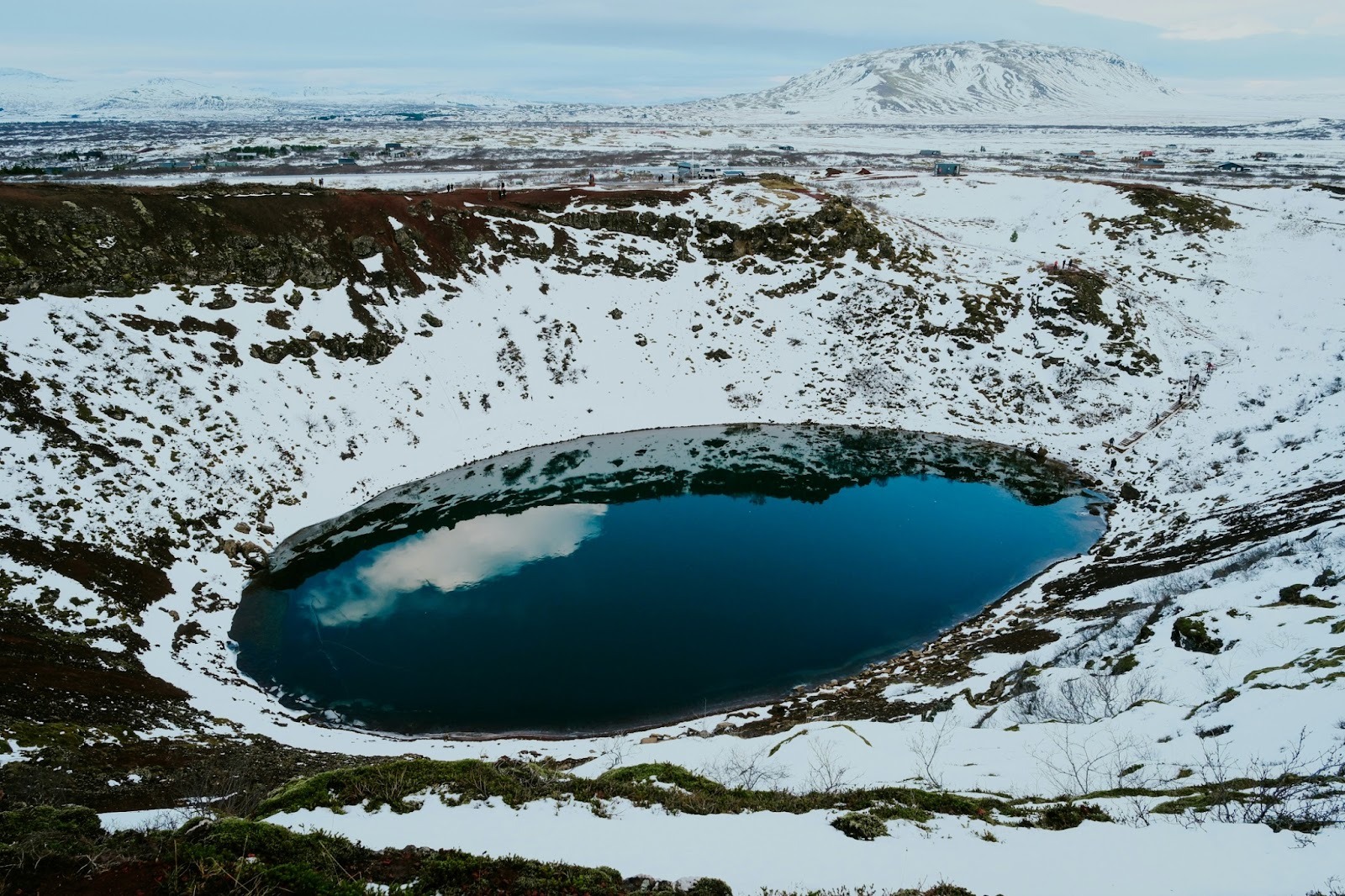
Iceland’s landscapes do not reveal themselves quietly. They strike you immediately with scale: enormous ice caps glowing in pale blue, volcanic craters rising like scars on ancient ground, and waterfalls crashing down cliffs carved by glaciers over centuries. The Golden Circle remains one of the most accessible introductions to this raw beauty, guiding travellers to the thundering Gullfoss waterfall, the geothermal power of Geysir and the tectonic rifts of Þingvellir National Park.
Venturing further gives you an even deeper sense of Iceland’s vastness. The south coast offers dramatic black beaches lapped by roaring Atlantic waves, while Jökulsárlón glacial lagoon presents a surreal landscape of floating icebergs. In the north, regions like Mývatn showcase steaming fumaroles, volcanic formations and eerie, otherworldly silhouettes at dusk.
Reykjavík, Iceland’s capital, balances this wild beauty with culture, creativity and warmth. Pastel houses, street art, harbourside cafés and lively music venues create an atmosphere that feels welcoming despite the dramatic climate outside. From here, travellers embark on whale-watching trips, northern lights excursions and guided hikes that lead into Iceland’s remote wilderness.
The Icelandic Spirit: Myth, Resilience and Nature
Iceland’s identity is deeply tied to storytelling. Myths of trolls, hidden people and ancient gods still weave through the culture, shaping everything from literature to local humour. Even the landscape feels alive — as if each rock, canyon and fjord holds a secret whispered through wind and mist.
Rural communities embrace a lifestyle shaped by elemental forces. Farms sit in valleys carved by glaciers, geothermal pools steam beneath mountains and fishing villages tuck themselves into quiet coastal coves. Life here is tough, but there is a warmth and humour that radiates from every conversation, every shared bowl of fish stew, every welcome offered to travellers brave enough to face the northern weather.
Finland: Granite, Forests and the Calm of the North
Crossing into Finland shifts the rhythm entirely. While Iceland bursts with dramatic energy, Finland feels like a long, deep breath — a land centred around slow movement, peaceful forests and the clarity that comes from space and silence. Much of the country is covered in lakes and pine woodlands, creating a landscape that seems designed for reflection.
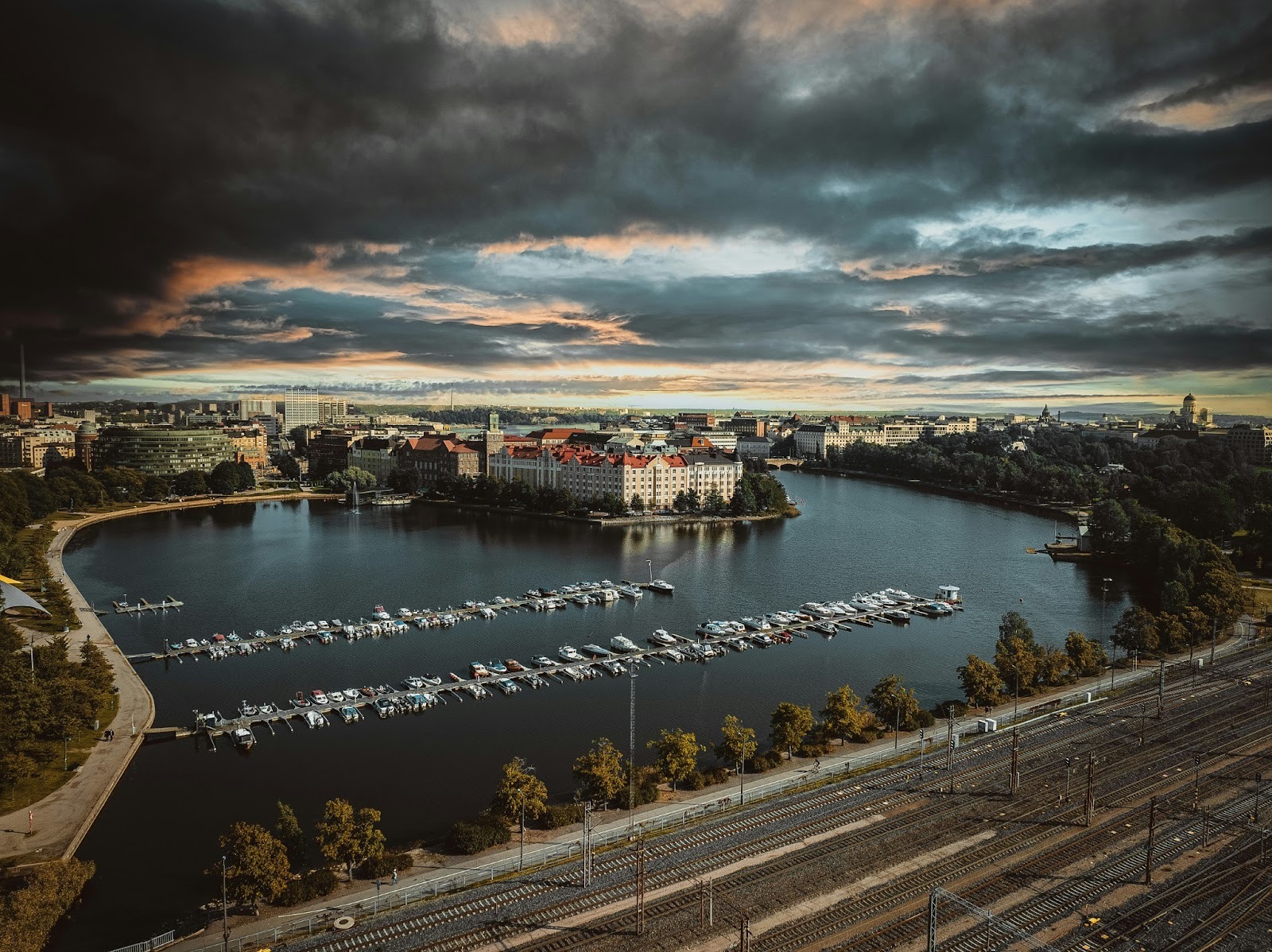
Travellers arriving in the capital often begin their exploration at the Helsinki train station, an architectural landmark in its own right. Built from Finnish granite and crowned by giant stone figures holding spherical lamps, it stands as one of the city’s proudest symbols of design.
Helsinki blends minimalist Nordic aesthetics with warmth and creativity. Its cafés serve strong coffee and cinnamon pastries, its waterfront saunas fill with locals unwinding from the day, and its design district showcases innovative Finnish craftsmanship — ceramics, textiles, woodwork and lifestyle goods rooted in natural materials.
The city’s museums reveal the many layers of Finnish identity. The Ateneum houses classical works celebrating national landscapes and folklore, while the Kiasma Museum of Contemporary Art brings bold, experimental pieces into the heart of the city. Helsinki Cathedral, rising in crisp white silhouette above Senate Square, remains one of the capital’s most recognisable structures.
Finland’s Forests and Frozen North
Leaving Helsinki opens the door to Finland’s quieter soul. Towns like Tampere and Turku offer riverside cafés, markets and historical architecture, while the Lakeland region provides endless opportunities for kayaking, fishing and lakeside cabin stays. Here, the air carries the scent of pine, and evenings settle into a deep, peaceful violet as the sun dips behind the treeline.
Further north, Lapland offers an entirely different landscape — one shaped by snow, reindeer trails and a wilderness that feels untouched by time. Winter brings the possibility of northern lights illuminating snow-covered forests, while summer paints the sky in the glow of the midnight sun. Sámi culture, deeply rooted in the land, continues to shape the region through reindeer herding, handicrafts and storytelling traditions.
Gateways of the North: Movement, Light and Discovery
Iceland and Finland may sit far apart across the Arctic edges of Europe, but they share something profound: a relationship with nature that defines their histories, cultures and daily lives. Both countries embrace the outdoors — not as an escape, but as a way of life.
In Iceland, gateways are shaped by volcanic forces. Travellers move between waterfalls, glaciers, highland roads and coastal cliffs, often surprised by how quickly the landscape shifts. In Finland, gateways are quieter: lakeside trails, forest paths, and the silent glow of northern skies.
Movement between these landscapes reveals how differently beauty can express itself in the north. Iceland gives you drama: erupting geysers, shifting glaciers, the thunder of waterfalls. Finland offers tranquillity: still lakes, the slow hush of falling snow, the warmth of saunas in winter darkness.
Cultural Threads in Icy Landscapes
Despite their differences, both countries share strong cultural traditions tied to craftsmanship, sustainability and nature. Icelandic wool products, designed for harsh climates, reflect centuries of resilience. Finnish design, celebrated for its clean lines and functionality, speaks to a lifestyle rooted in simplicity and purpose.
Both nations also excel in culinary innovation. Iceland’s cuisine, built around fresh fish, lamb and geothermal-grown vegetables, feels rustic yet inventive. Finland’s dishes — wild berries, rye bread, smoked fish and warming stews — reflect a deep connection to forest and lake life.
In both cultures, the connection to the outdoors shapes everything. Sauna culture in Finland encourages rest and renewal. Geothermal bathing in Iceland provides warmth and healing in cold, remote landscapes. Food, craft, architecture and tradition all flow from this shared northern mindset.
A Tale of Two Northern Worlds
Travelling through Iceland and Finland reveals two countries that feel like chapters in a story written by the elements. Each offers a gateway into a different kind of northern beauty — one explosive and volcanic, the other quiet and granite-strong.
In Iceland, you stand on black-sand beaches as waves crash like ancient drums, or hike across glaciers that glitter beneath pale Arctic skies. In Finland, you sit beside still lakes listening to the whispers of forest wind or watch northern lights shimmer above snow-covered cabins.
Between them lies a journey shaped by contrasts: fire and ice, rock and water, silence and storm. Together, Iceland and Finland offer a northern adventure that feels both grounding and electrifying — a reminder that the world is vast, awe-inspiring, and full of places where the imagination can roam free.