Best Ways to Promote Activity and Engagement for Seniors
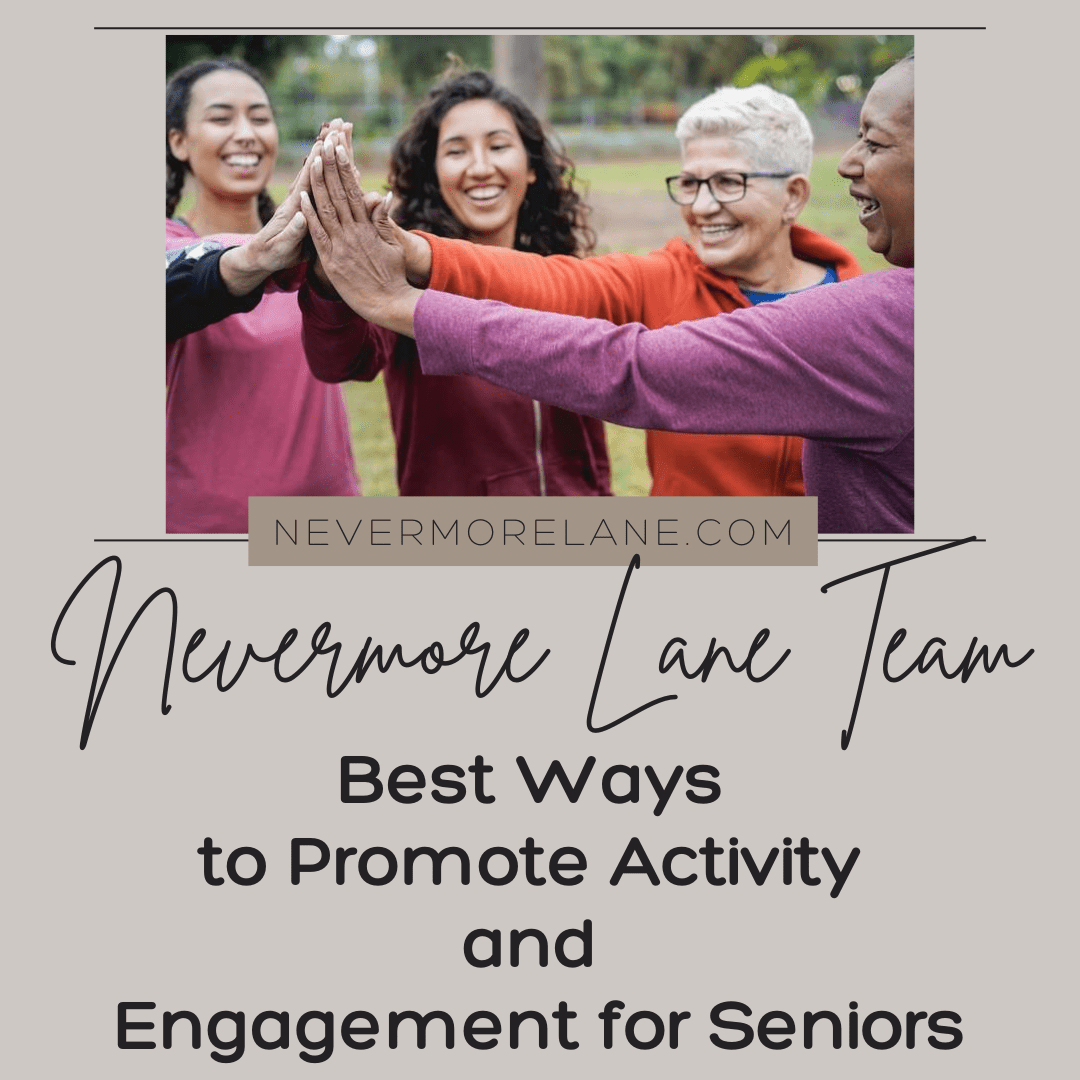
The days blur together when routine becomes the only constant and meaningful activities disappear from calendars that once overflowed with engagements. Retirement promises freedom yet often delivers isolation when social circles shrink and purpose feels lost. Seniors face unique challenges maintaining activity levels as mobility decreases, friends move away or pass on, and transportation becomes complicated. The inactivity compounds quickly. Physical health declines without regular movement. Mental sharpness fades without stimulation. Social connections weaken without opportunities for interaction. Meanwhile, families watch helplessly as aging loved ones withdraw into smaller worlds where television becomes the primary companion.
Activity and engagement represent essential components of healthy aging that directly impact both longevity and quality of life. Physical activity maintains mobility, strength, and independence that allow seniors to continue living on their own terms. Mental stimulation preserves cognitive function and delays dementia progression. Social engagement combats the depression and loneliness that plague isolated elderly populations. Yet creating opportunities for meaningful activity requires understanding the specific barriers seniors face. Limited mobility restricts options. Fixed incomes constrain choices. Transportation challenges prevent participation. Health conditions create legitimate limitations that well-meaning suggestions often ignore.
Promoting senior activity and engagement demands approaches that honor real limitations while creating accessible opportunities for connection, purpose, and joy. The goal involves meeting seniors where they are rather than expecting them to overcome barriers that age and circumstance create. Understanding which activities deliver genuine benefits, how to adapt them for various ability levels, and which strategies actually work versus which sound good theoretically helps families and caregivers support the aging loved ones who deserve vibrant engaged lives regardless of age or physical limitations.
Gentle Exercise for a Strong Body
Staying active is one of the best ways for seniors to stay healthy and feel good. Simple exercises like walking around the neighborhood, stretching in the morning, or doing chair yoga can make a big difference.
Light aerobics or gentle movement helps keep muscles strong, improves balance, and boosts energy. Even a few minutes a day can help reduce stiffness and make daily tasks easier.
Exercise is not just for the body-it also helps the mind feel sharper and more alert. Moving a little every day can improve mood and give seniors a sense of achievement. These activities can be a great part of senior-friendly Labor Day activities.
Creative Hobbies to Stimulate the Mind
Finding a fun hobby is a great way to keep the mind busy and reduce stress. Painting, knitting, playing music, or crafting are all activities that give a sense of purpose. Hobbies let seniors use their creativity and skills in ways that are enjoyable and rewarding.
Spending time on a creative project can lift spirits, provide a feeling of pride, and even spark new friendships when shared with others. Simple hobbies can turn a quiet afternoon into a happy and meaningful experience, while also supporting overall mental health.
Social Activities to Connect with Others
Spending time with friends or joining group activities is important for emotional health. Seniors can join book clubs, attend small group games, or enjoy coffee chats with neighbors.
Social activities help prevent loneliness, create new friendships, and keep life interesting. Talking, laughing, and sharing stories can improve mood and provide support. Even small social interactions can make a big difference in daily happiness and overall well-being.
Outdoor Time for Health and Happiness
Being outside has many benefits for seniors. Short walks in the park, gardening, or sitting in the sun can improve mood and provide needed vitamin D. Fresh air and natural light help the body stay balanced, and the mind feel refreshed.
Even a few minutes outdoors can lift spirits, reduce stress, and make seniors feel more connected to the world around them. Nature can be a simple but powerful way to boost overall wellness.
Brain Games and Puzzles to Keep the Mind Sharp
Keeping the brain active is just as important as exercising the body. Crossword puzzles, memory games, or simple problem-solving tasks help maintain cognitive skills. These activities can improve focus, memory, and thinking ability.
Brain games are fun ways to challenge the mind, encourage learning, and provide a sense of accomplishment. Doing them regularly helps seniors stay mentally sharp and independent for longer.
Embrace an Active and Joyful Life Every Day
Staying active and engaged helps seniors feel healthier, happier, and more connected. Gentle exercise, creative hobbies, social time, outdoor moments, and brain games can make each day meaningful.
Small daily efforts can boost mood, sharpen the mind, and strengthen relationships. Embracing these activities brings joy, purpose, and energy to life every single day.
Create Engagement That Honors Ability and Dignity
Promoting senior activity succeeds through accessible options addressing physical, mental, and social needs simultaneously. Gentle exercise programs including chair yoga, water aerobics, and walking groups maintain mobility without overwhelming limited stamina. Brain games, puzzles, and learning opportunities keep minds sharp through achievable challenges. Social activities including book clubs, craft groups, and community events combat isolation. Volunteer opportunities provide purpose and connection. Technology classes open digital worlds for those willing to learn.
The implementation requires removing barriers that prevent participation. Provide transportation to activities. Choose accessible venues accommodating mobility limitations. Schedule events at times matching energy levels. Offer assistance without removing dignity. Create welcoming environments where seniors feel valued rather than pitied. These accommodations transform activities from theoretical possibilities into actual experiences.
Seniors deserve engagement that recognizes their continued capacity for growth, connection, and contribution. Age doesn’t eliminate the need for purpose, social bonds, or new experiences. It simply changes how these needs get met. The activities promoting health and happiness in older adults look different than those serving younger populations. They move slower. They require more accommodation. They value connection over competition. But they matter just as much. Sometimes the greatest gift involves creating opportunities for aging loved ones to remain fully alive and engaged rather than simply existing through their remaining years.