A Practical Guide to Managing Household Overflow
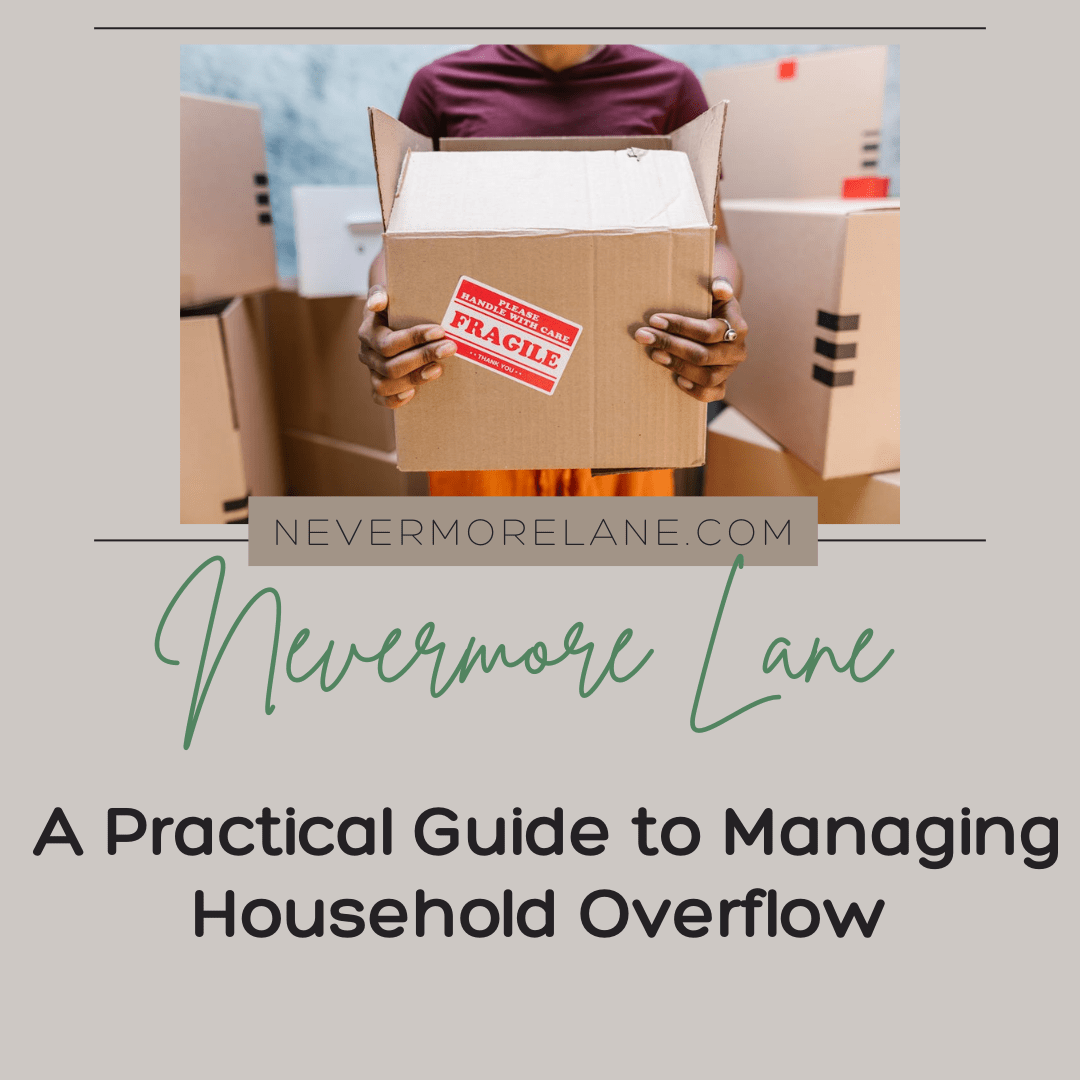
Homes in Springfield, and other towns across the nation, have a way of collecting things. Basements fill up after one winter. Garages become crowded after a few seasons of yard projects. Attics turn into storage zones for holiday decorations, old furniture, and boxes you meant to sort through years ago.
It doesn’t happen all at once. One extra shelf here. A few more bins there. Then suddenly, the spare bedroom can’t be used for guests because it’s stacked with storage. The garage can’t fit a car. The basement feels more like a warehouse than part of your home.
Springfield’s changing seasons make the problem more noticeable. Winter gear, snow tools, and holiday décor rotate in and out. Summer brings patio furniture, bikes, and sports equipment. Over time, even organized households feel tight.
Managing household overflow isn’t about getting rid of everything. It’s about creating breathing room. And sometimes that means thinking beyond your closets.
When Offsite Storage Becomes a Practical Extension of Your Home
There comes a point when reorganizing isn’t enough. You’ve installed shelves in the garage. You’ve labeled bins in the basement. You’ve donated what you can. And still, there isn’t enough space for daily living.
That’s when many homeowners begin exploring offsite storage as a practical extension of their home rather than a last resort. A well-maintained facility can offer drive-up access, a range of unit sizes, and secure gated entry, which makes it easier to move larger items like furniture, tools, or seasonal décor without turning your house into a holding area.
In Springfield, where winters can be cold and damp, protecting belongings matters. If you’re in Springfield Illinois storage units can be a good option for you. Items such as wooden furniture, important documents, and stored clothing benefit from being kept in clean, protected environments. Flexible month-to-month options also help during temporary situations like renovations, relocations, or combining households.
Off-site storage works best when used intentionally. It’s not about hiding clutter. It’s about giving your home back its function. Instead of crowding hallways with extra boxes or squeezing everything into a packed garage, you create space to live comfortably while still keeping what matters.
Used thoughtfully, storage becomes part of a larger plan, not just overflow.
Identifying the Real Source of Overflow
Before moving items anywhere, it helps to understand what’s causing the overflow in the first place.
For many households, the issue is seasonal buildup. Winter coats and boots stay out long after temperatures rise. Patio cushions sit stacked in corners once summer ends. Without a rotation system, items pile up.
Emotional attachment also plays a role. Furniture from a relative, children’s artwork, and keepsakes can be hard to part with. These items may not be used daily, but they still feel important.
Another common issue is multi-use rooms losing purpose. A dining room becomes a home office. A basement becomes a gym and storage area at the same time. When spaces serve too many functions, the organization suffers.
Temporary piles are also a problem. Boxes placed “just for now” often stay for years.
Understanding these patterns makes it easier to create solutions that last.
Room-by-Room Overflow Management
Each area of your home has its own storage challenges.
In the basement, moisture control is important. Use sturdy plastic bins instead of cardboard boxes. Label clearly and stack safely. Create walkways so items are accessible rather than buried.
Garages benefit from vertical organization. Wall-mounted shelving, pegboards for tools, and overhead racks can free up floor space. Keep frequently used items within reach and move rarely used items elsewhere.
Closets often hold clothing from every season at once. Rotate clothes twice a year. Store off-season items in labeled containers to make daily access easier.
Kitchens can become crowded with small appliances. If you only use something once a year, consider relocating it. Clear counters create a sense of space even in smaller homes.
Home offices benefit from digitizing paperwork. Scanning important documents reduces physical clutter. Keep only essential files in drawers and archive older materials in labeled bins.
Children’s areas need regular reviews. Rotate toys, donate unused items, and involve kids in deciding what stays.
The goal isn’t perfection. It’s steady progress.
Planning for Life Changes
Overflow often increases during transitions.
When elderly parents move in, additional furniture and personal belongings need space. When children leave for college, the purpose of their rooms shifts, but their items may remain.
Blending households doubles inventory. Two couches. Two sets of dishes. Two dressers.
Starting a home-based business adds supplies and equipment that weren’t part of the original layout.
Preparing to sell a home also creates overflow. Personal items need to be packed away to make rooms look larger and more neutral.
Planning ahead for these changes reduces stress. Temporary storage can provide breathing room during uncertain periods without forcing quick decisions.
Creating Sustainable Storage Habits
Once your home feels manageable again, keeping it that way becomes the next priority.
Adopt a simple rule: when something new comes in, something else goes out or gets relocated. This prevents gradual buildup.
Schedule seasonal check-ins. Review closets and storage areas at least twice a year. Remove items that no longer serve a purpose.
Label everything clearly. When bins are easy to identify, you’re less likely to create random piles.
Avoid buying storage containers before decluttering. Empty space first, then determine what solutions are truly needed.
If you’re using off-site storage, revisit those items annually. Decide whether they’re still worth keeping. Storage should support your lifestyle, not replace decision-making.
Creating Sustainable Systems That Prevent Reaccumulation
Household overflow is normal. Life expands. Families grow. Interests change. What once felt organized can begin to feel crowded.
The solution isn’t extreme minimalism. It’s thoughtful planning. Smart use of vertical space. Seasonal rotation. Occasional off-site storage when needed.
In Springfield, where homes often include basements and garages that slowly fill with the seasons, creating breathing room makes daily life easier. A house should feel like a place to live, not a place to store everything you own.
When overflow is managed with intention, your home feels calmer. Hallways stay clear. Closets open easily. Rooms return to their original purpose.
You don’t need to get rid of everything. You just need the right plan and sometimes, the right space to make your home work again.
Photo Source