5 Ways to Refresh Your Home Decor Without a Full Remodel

Walking into a familiar room and feeling bored happens more than people admit. Walls look the same, furniture feels dull, and energy feels flat. Yet the idea of a full remodel sounds expensive and stressful. Many homeowners want change without noise, dust, or long timelines. The good news is that meaningful updates do not require tearing everything apart. Small, thoughtful choices can quickly shift how a space feels.
Refreshing home decor is about seeing potential in what already exists. A few focused updates can change mood, comfort, and style together. This article shares five practical ways to refresh spaces without a full remodel. Each idea is simple, realistic, and easy to apply. Readers will learn how layout, color, lighting, and details work together. These steps help homes feel updated, welcoming, and intentional again.
1. Rework Your Color Story With Simple Updates
Color strongly affects how rooms feel and function. Faded or mismatched colour tones can make spaces feel tired. Updating color does not always mean repainting walls. Small changes can still bring fresh energy. Pillows, throws, and art introduce new shades without long commitment. Even swapping one dominant color can shift the entire mood.
A focused color plan works better than random choices. Stick to two or three tones that repeat across the room. This creates calm and balance. Try adding color through these easy elements:
- Cushion covers or curtains for quick impact
- Artwork or framed prints for visual interest
- Decorative objects that echo existing tones
This method refreshes home decor while keeping effort and cost low.
2. Rearrange Furniture to Improve Flow
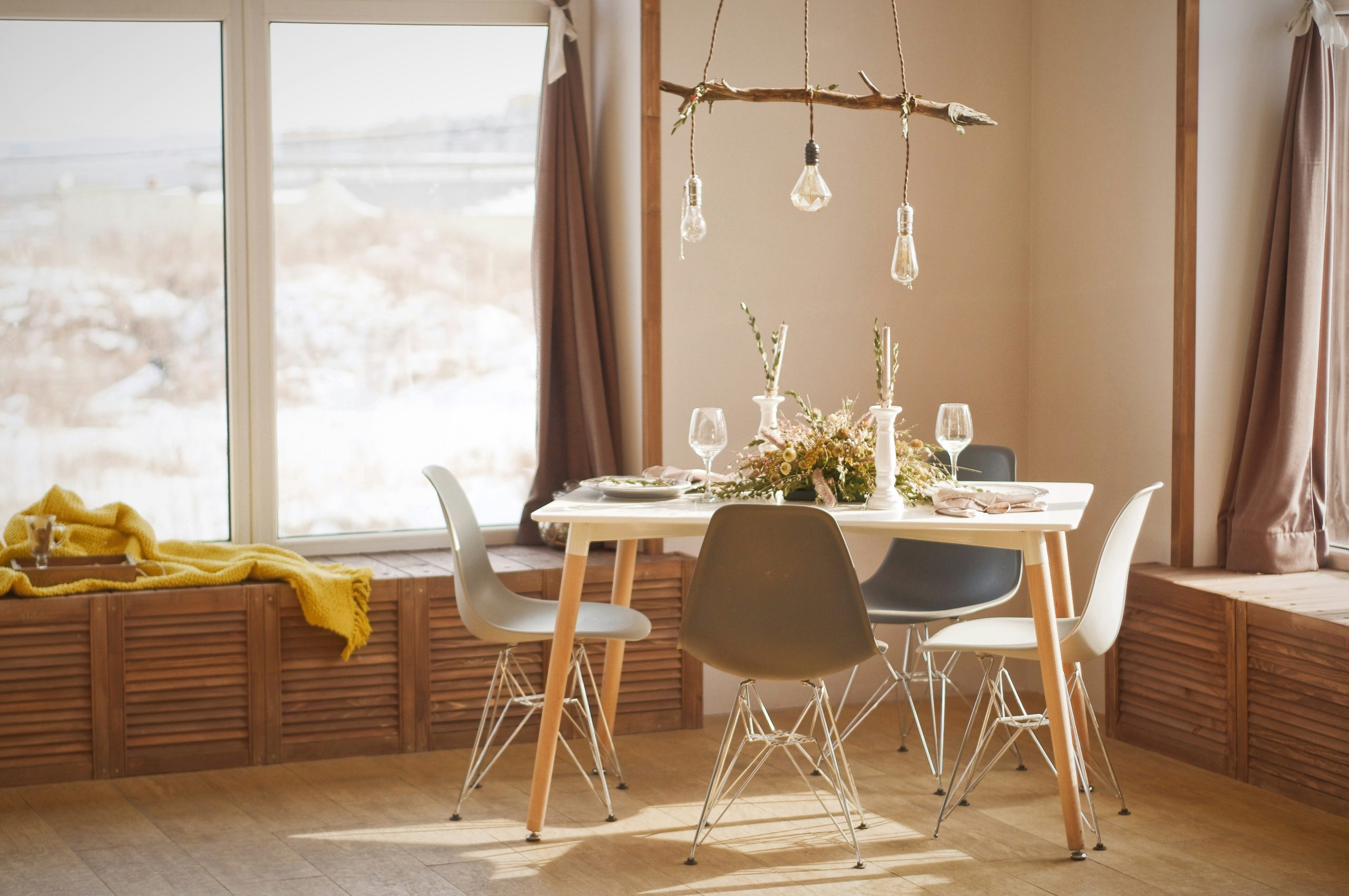
Furniture placement shapes how rooms are used every day. Poor layouts can block movement and waste space. Rearranging pieces often brings instant improvement. Clear walkways make rooms feel larger and calmer. Light moves better when furniture feels balanced. Even small shifts can improve comfort and usability.
Sometimes, it becomes difficult to notice layout problems alone. A fresh perspective helps unlock better solutions. For example, working with an Interior Design and home staging company, such as Tash Designs, helps people rethink how space supports daily routines. Professional planning focuses on comfort, proportion, and movement. This approach ensures furniture placement feels intentional and practical. Better flow refreshes home decor without adding anything new.
3. Add Texture Through Soft Furnishings
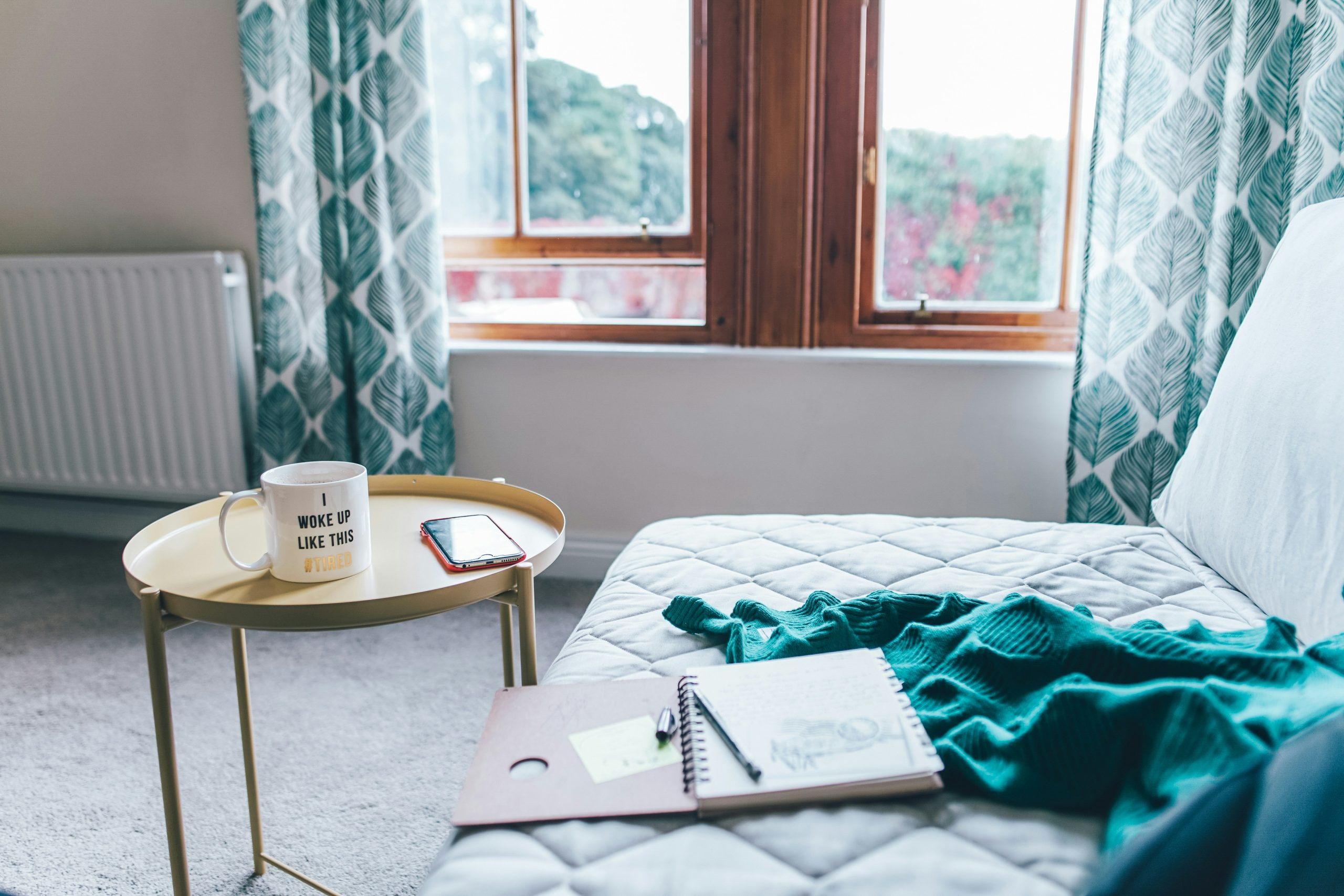
Texture adds warmth and depth to any space. Flat rooms often feel unfinished because textures are missing. Soft elements balance hard surfaces like wood or tile. Rugs, throws, and cushions soften the look quickly. These additions make rooms feel more comfortable and lived in.
Mixing textures works best when done thoughtfully. Combine smooth and rough materials for contrast. Try adding texture through:
- Layered rugs for visual depth
- Knit or woven throws for softness
- Cushions with different fabrics and finishes
These changes refresh home decor while keeping existing furniture. Texture updates feel subtle yet powerful.
4. Update Lighting to Change the Mood
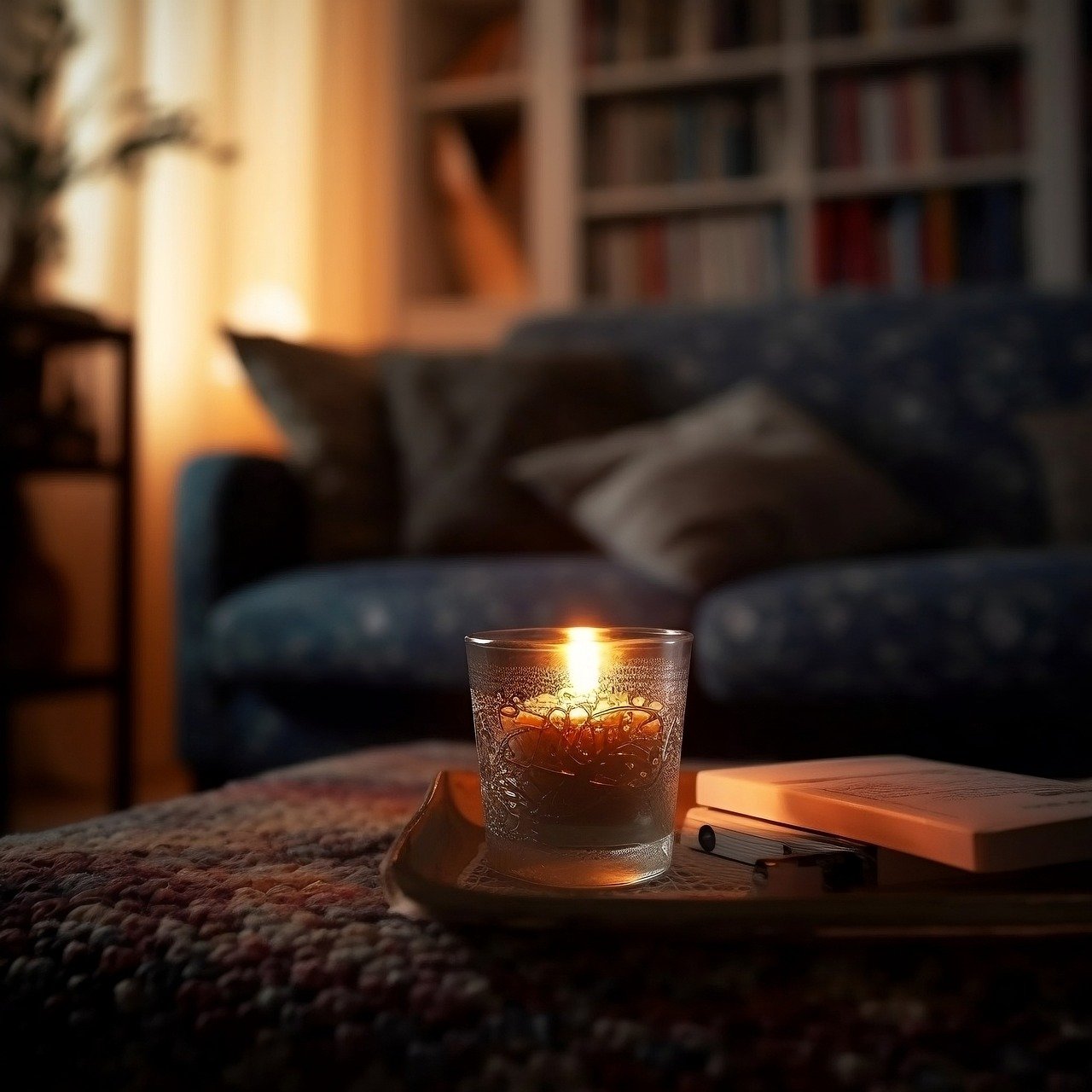
Lighting changes how rooms feel at different times of day. Poor lighting can make even beautiful spaces feel dull. Adding or adjusting lights improves the atmosphere instantly. Table lamps, floor lamps, or warmer bulbs create softer tones. This simple update changes the mood without structural work. The right lighting choice can make everyday moments feel calmer and more inviting.
Layered lighting works better than a single overhead source. Combine ambient, task, and accent lighting for balance. Place lamps near seating or corners to reduce shadows. Dimmer switches also add flexibility. Good lighting highlights decor and creates a sense of comfort. Updating lighting refreshes home decor while improving everyday experience. Balanced lighting also supports relaxation and practical daily activities equally well.
5. Refresh Decor With Statement Pieces
Statement pieces create focus and personality within a room. Too many small items can make spaces feel cluttered and busy. One strong piece often works better than several fillers combined. This could be artwork, a mirror, or a sculptural object. A bold focal item draws attention and anchors the room visually. A well-chosen feature also helps guide the overall style direction clearly.
Choose pieces that reflect personal taste and comfort. Keep surrounding elements simple so the main feature stands out naturally. Rotating accessories seasonally keeps rooms feeling fresh and updated. This approach avoids constant buying or unnecessary changes. Statement updates refresh the space without overwhelming it. Thoughtful selection brings character and balance together.
Sustaining Fresh Spaces Beyond Initial Updates
Making Refresh Strategies Part of Home Life
Home decor refreshes work best when approached as ongoing practices rather than one-time projects. Seasonal rotations of textiles and accessories keep spaces feeling current without constant purchasing. Regular furniture rearrangements adapt rooms to evolving needs and prevent visual stagnation. Small updates every few months maintain momentum that prevents the overwhelming staleness requiring dramatic intervention.
The refresh mindset shifts relationships with home spaces from static arrangements to dynamic environments that grow alongside changing lives. Decor becomes flexible and responsive rather than permanent and precious. Spaces serve current needs instead of preserving outdated visions of how rooms should function. The willingness to experiment with affordable changes builds confidence in personal style beyond trendy inspiration images.
Living in continually refreshed spaces ultimately costs less and causes less disruption than postponing all changes until full remodels become unavoidable. The small investments in new pillows, rearranged layouts, updated lighting, and fresh paint maintain homes that feel intentionally curated rather than neglected or frozen in time. Keep spaces evolving through accessible refresh strategies that honor both budget realities and the very real need for environments that inspire rather than drain energy every single day.