2026 Sleep Trends Changing Bedrooms And How We Rest At Night
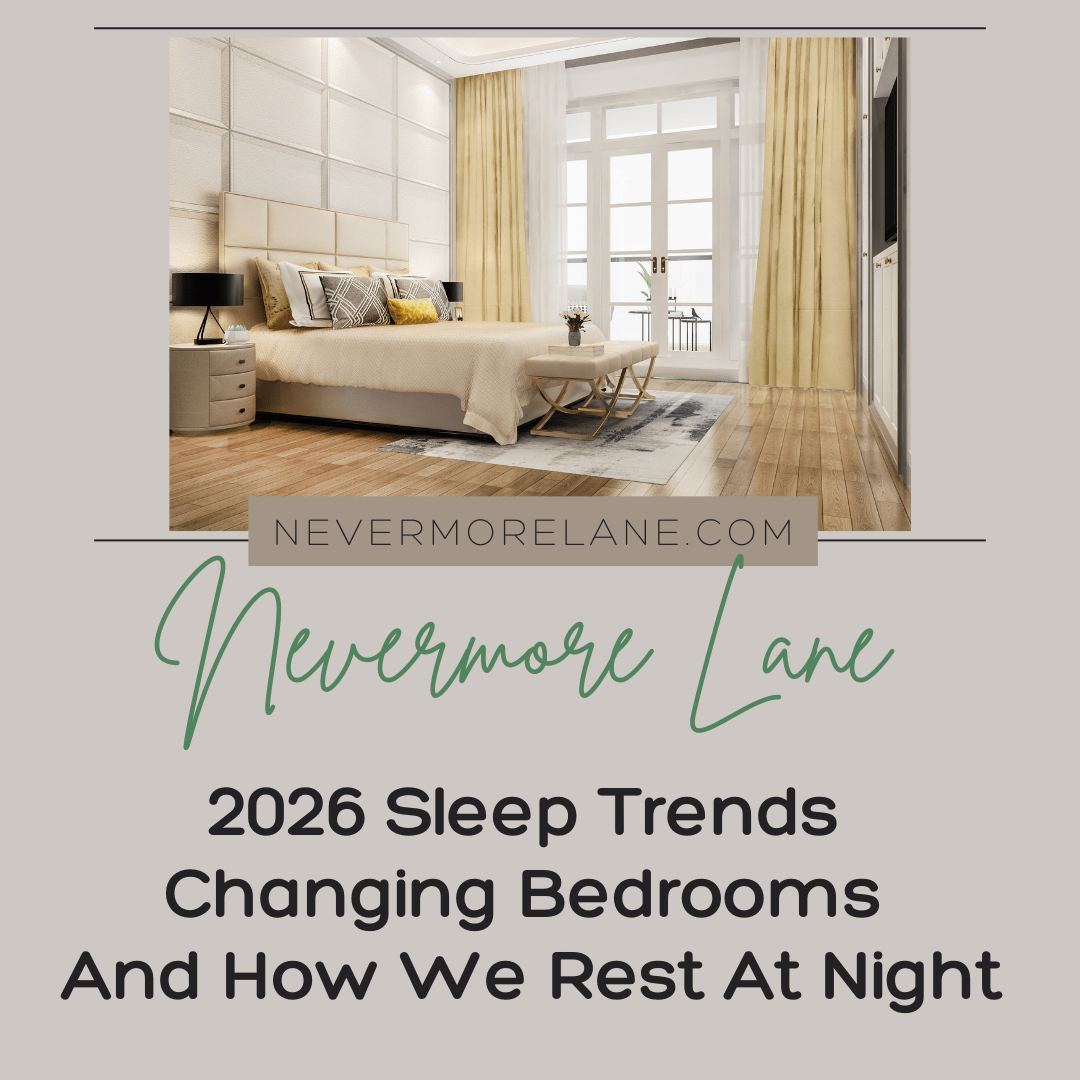
Sleep has started to feel less like a basic need and more like something people are actively designing for. You can see it in the way bedrooms are evolving, not just visually, but in how they function. In 2026, people are paying closer attention to what actually helps them wind down and stay asleep, and they are making real changes instead of just talking about it. It is less about chasing perfection and more about building a space that works for your actual life, your habits, and your body.
Layered Comfort Takes Over
The days of a single comforter and calling it done are fading fast. Bedrooms now feel more like layered environments, where texture, weight, and temperature all play a role. People are mixing quilts, throws, and breathable sheets in a way that feels intentional but still relaxed. It is not about looking styled for a photo, it is about being able to adjust throughout the night without fully waking up.
What stands out is how much attention is being paid to tactile comfort. Heavier knits for colder months, lightweight cottons when things warm up, and even swapping pillow materials depending on how you sleep. It sounds like a small shift, but it adds up. The bed starts working with you instead of against you.
Downsizing Bed Size Thoughtfully
There is a noticeable move away from oversized beds dominating the room. People are starting to rethink how much space they actually need, and that conversation has led to a quiet return to more practical sizes. The conversation is not about sacrificing comfort, it is about finding the right balance.
Full size mattress sets are growing in popularity because they offer a cozy nights sleep that still gives more room than a twin, and that shift is changing how bedrooms are laid out. A slightly smaller bed opens up space for better flow, more natural light, or even a reading chair that actually gets used. It feels less cramped, more intentional, and honestly easier to maintain.
Wind Down Rituals Return
People are finally accepting that you cannot scroll your way into good sleep. The shift toward evening routines is real, and it is showing up in subtle but consistent ways. Lighting gets dimmer earlier, phones get set aside, and small rituals start to take over.
One of the simplest habits making a comeback is the use of sleepy time teas. It is not about turning your night into a production, it is about creating a signal to your body that it is time to slow down. A warm mug, a quieter room, maybe a book instead of a screen, these small choices stack up and make it easier to drift off without forcing it.
What makes this trend stick is how easy it is to maintain. It does not require a full lifestyle overhaul, just a willingness to shift how you end your day.
Lighting Gets Softer And Smarter
Overhead lighting is losing its grip on the bedroom. People are opting for layered lighting that feels softer and more forgiving. Table lamps, wall sconces, and even low-level floor lighting are taking center stage.
There is also more awareness around how light affects sleep quality. Warmer tones in the evening, fewer harsh bulbs, and a general move away from anything that feels clinical. It is not about making the room dim for the sake of aesthetics, it is about creating an environment that actually helps your body settle.
Blackout curtains are still popular, but now they are paired with lighting choices that ease the transition from day to night instead of flipping a switch from bright to dark.
Air Quality And Breathability
People are paying closer attention to the air in their bedrooms, and it is not just about temperature anymore. Breathability has become part of the conversation, from bedding materials to how often windows are opened.
Natural fibers are getting more attention because they allow airflow and reduce that overheated, restless feeling that can ruin a night of sleep. There is also a growing interest in keeping the room feeling fresh, whether that means better ventilation, plants, or simply being more mindful about clutter.
A clean, breathable space does not just look better, it feels better when you are trying to relax. It removes that subtle tension you did not realize was there.
Beds That Fit Real Life
There is less pressure for bedrooms to look like they belong in a showroom. Instead, people are leaning into setups that reflect how they actually live. That might mean a bed that accommodates kids climbing in early in the morning, pets that refuse to sleep anywhere else, or just a layout that makes getting in and out of bed easier after a long day.
Function is leading the design choices, and it shows. Storage is being used more thoughtfully, furniture is being chosen for comfort instead of trend appeal, and the overall feel is more grounded.
This shift makes the bedroom feel less staged and more personal, which ironically makes it more relaxing.
Sleep in 2026 is less about chasing trends and more about paying attention to what actually works. People are simplifying where it counts, adjusting where needed, and letting their bedrooms reflect real habits instead of ideal ones. The result is not flashy, but it is effective, and that is what makes it stick.