10 Common Questions Homebuyers Ask Before Making an Offer

Buying a home is thrilling, but it can also be a whirlwind of questions and second-guessing. Walking into an open house or touring a listing, it’s easy to feel overwhelmed. What’s actually negotiable? How do you know the neighborhood is right? These are the kinds of things that swirl through a buyer’s mind long before pen meets paper.
To help, here are ten questions that frequently come up among homebuyers, based on real experiences, professional insights, and practical considerations.
1. Is This the Right Neighborhood for Me?
Location often trumps everything else. Buyers want to know about schools, traffic patterns, access to amenities, and safety. Some people think about the long term—will this neighborhood still suit them in five or ten years? Even a charming house can feel like the wrong fit if the surrounding area doesn’t align with lifestyle needs. Walking the streets, visiting local shops, and talking to neighbors often provides insights you won’t get from listings alone.
2. How Long Has the House Been on the Market?
A property sitting for months—or even years—can signal various issues. Maybe the price is too high, maybe there are undisclosed problems, or maybe the market simply hasn’t aligned yet. Buyers often ask about previous listings, price reductions, and whether there have been multiple offers. For more details about evaluating properties and market trends, check out more here at Sprinkman Real Estate, as understanding this context helps avoid surprises and informs a smarter offer strategy. Local experts often highlight how these market patterns play out in real neighborhoods, giving buyers a clearer picture of what a long listing period might mean without making it feel like advice from a sales perspective.
3. What Are the True Costs Beyond the Listing Price?
It’s easy to focus on the sticker price, but closing costs, property taxes, homeowners’ association fees, and potential repairs can add thousands. Buyers frequently ask for itemized estimates, so they can gauge what their monthly and upfront financial commitment really looks like. Requesting a breakdown early can prevent sticker shock and help set realistic budgets.
4. How Old Are the Major Systems?
Heating, air conditioning, plumbing, and electrical systems are expensive to repair or replace. Buyers often ask for inspection reports or service histories. Even if the house looks great, knowing the age and condition of these systems can help anticipate costs and timing of future upgrades.
5. Are There Any Known Issues or Past Repairs?
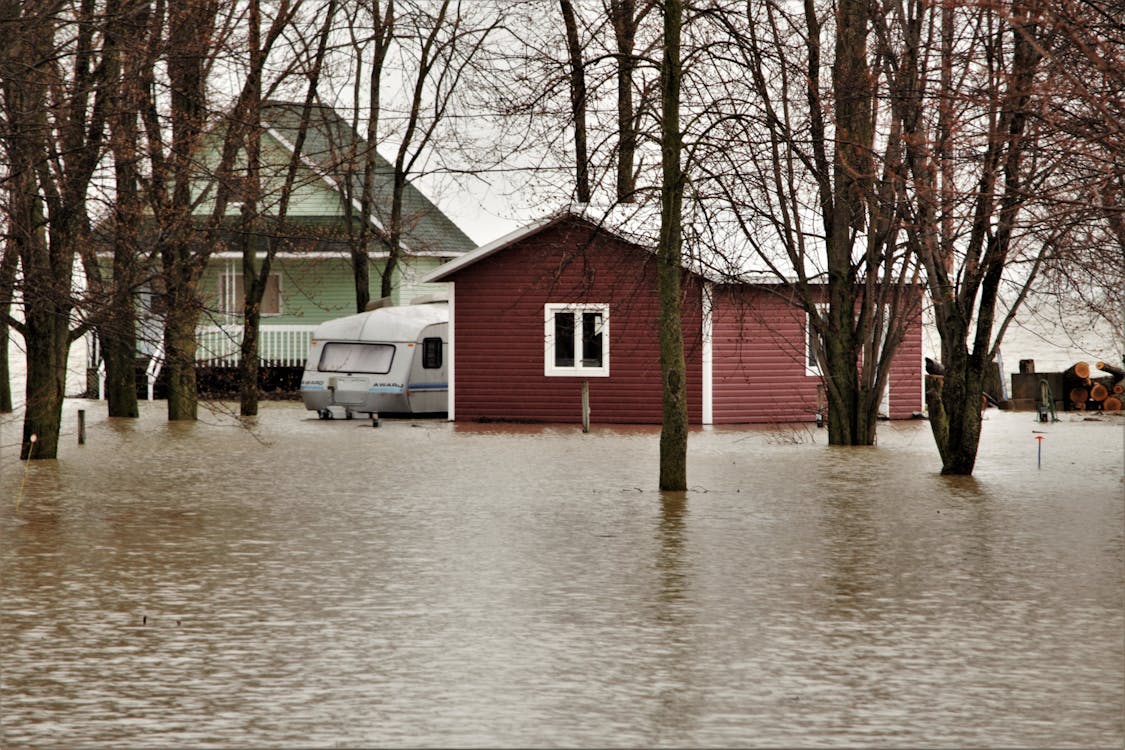
Sellers aren’t always required to disclose everything, but diligent buyers ask. Water damage, foundation cracks, roof repairs, and pest treatments are common concerns. Learning the house’s history can guide both inspection priorities and negotiation points.
6. What Does the Inspection Reveal?
An inspection isn’t just a formality—it’s a critical step in decision-making. Buyers frequently ask which issues are minor, which are major, and what might be “future concerns.” Inspectors’ findings can influence offer price, requests for repairs, or even the decision to walk away.
7. How Flexible Is the Seller on Price or Terms?
Negotiation is part of the process, and buyers often wonder how much wiggle room exists. Is the seller motivated? Are there multiple offers? Understanding flexibility can shape an offer strategy. Some buyers choose a slightly higher offer to secure a preferred move-in date, while others leverage inspection findings to adjust pricing.
8. What’s the Resale Potential?
Even if a buyer plans to stay long-term, it’s smart to think about future resale. Questions about neighborhood trends, market growth, and comparable sales frequently arise. Buyers want assurance that the house won’t become a financial trap down the road.
9. How Long Will the Closing Process Take?
Timing is crucial, especially if buyers are coordinating a move, selling another property, or arranging financing. Questions about the average closing duration, potential delays, and document requirements come up often. Being prepared reduces stress and ensures expectations align with reality.
10. Are There Any Red Flags I’m Overlooking?
Sometimes it’s the subtle things—a lingering smell, a creaky floorboard, or an odd water stain—that make buyers pause. Asking a trusted agent to point out potential concerns or do a second walkthrough helps ensure no small detail turns into a big problem later. Experienced agents often spot things buyers might miss, saving headaches down the line.
The Questions That Protect Buyers Before an Offer Is Made
Buying a home isn’t just about the number of bedrooms or the size of the yard. It’s about understanding the full picture—location, condition, costs, and timing. Asking these ten questions helps buyers gather the information they need to make confident decisions and feel more in control during the process.
Taking the time to dig deeper often makes the difference between a purchase that feels right and one that leaves lingering doubts. Thoughtful research, careful consideration, and asking the right questions can turn a stressful process into a smoother, more informed experience.